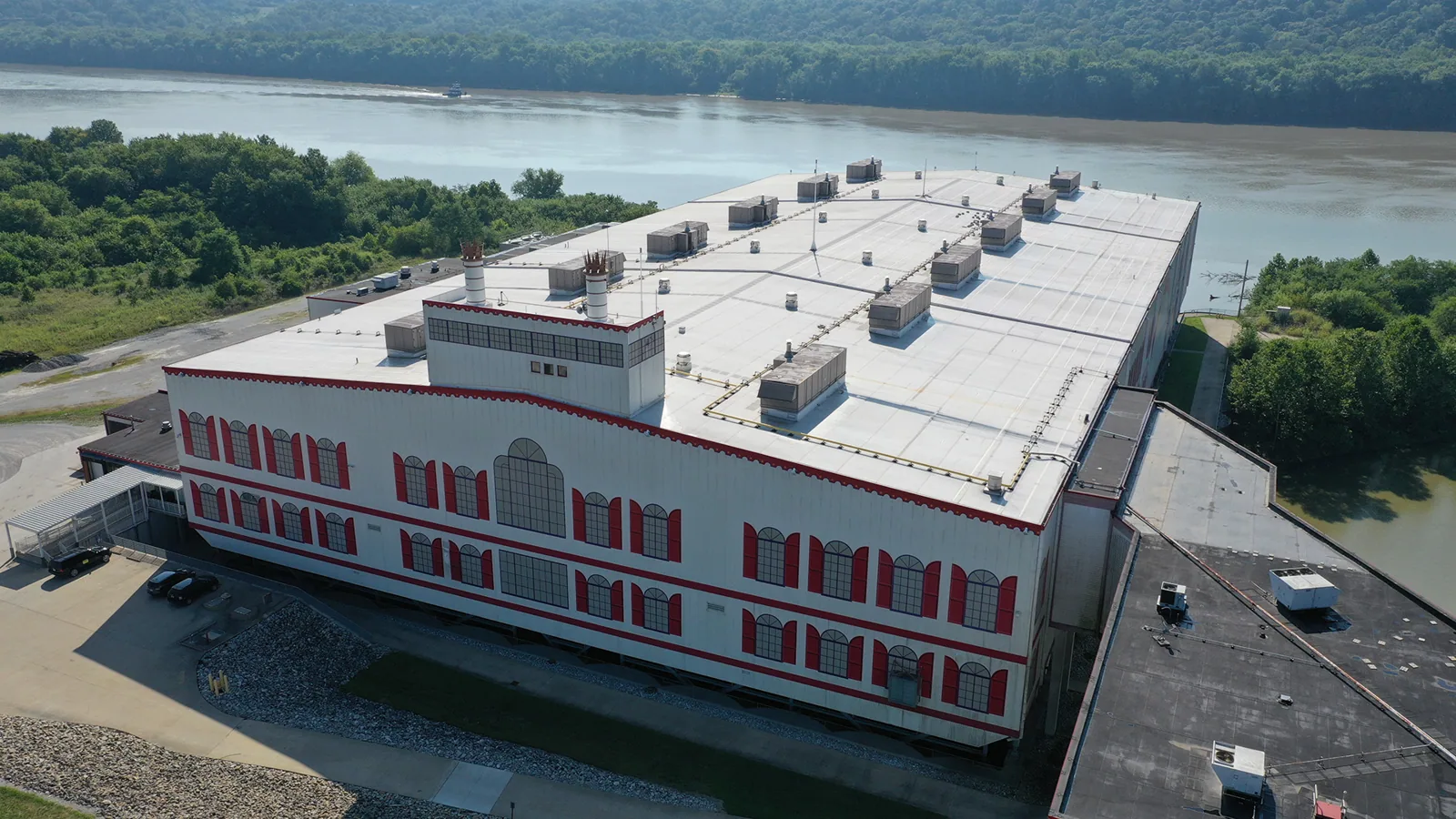
A clogged overflow beside a roof drain can keep runoff on the membrane and send it toward a seam that looked sound on a dry day. In Burien, WA, we trace the low route, inspect the outlet and compare the roof area with any interior stain. The city's Regional Growth Center covers about 429 acres and includes a mixed-use town-square development. We confirm the address, assembly and operating limits before setting the work.
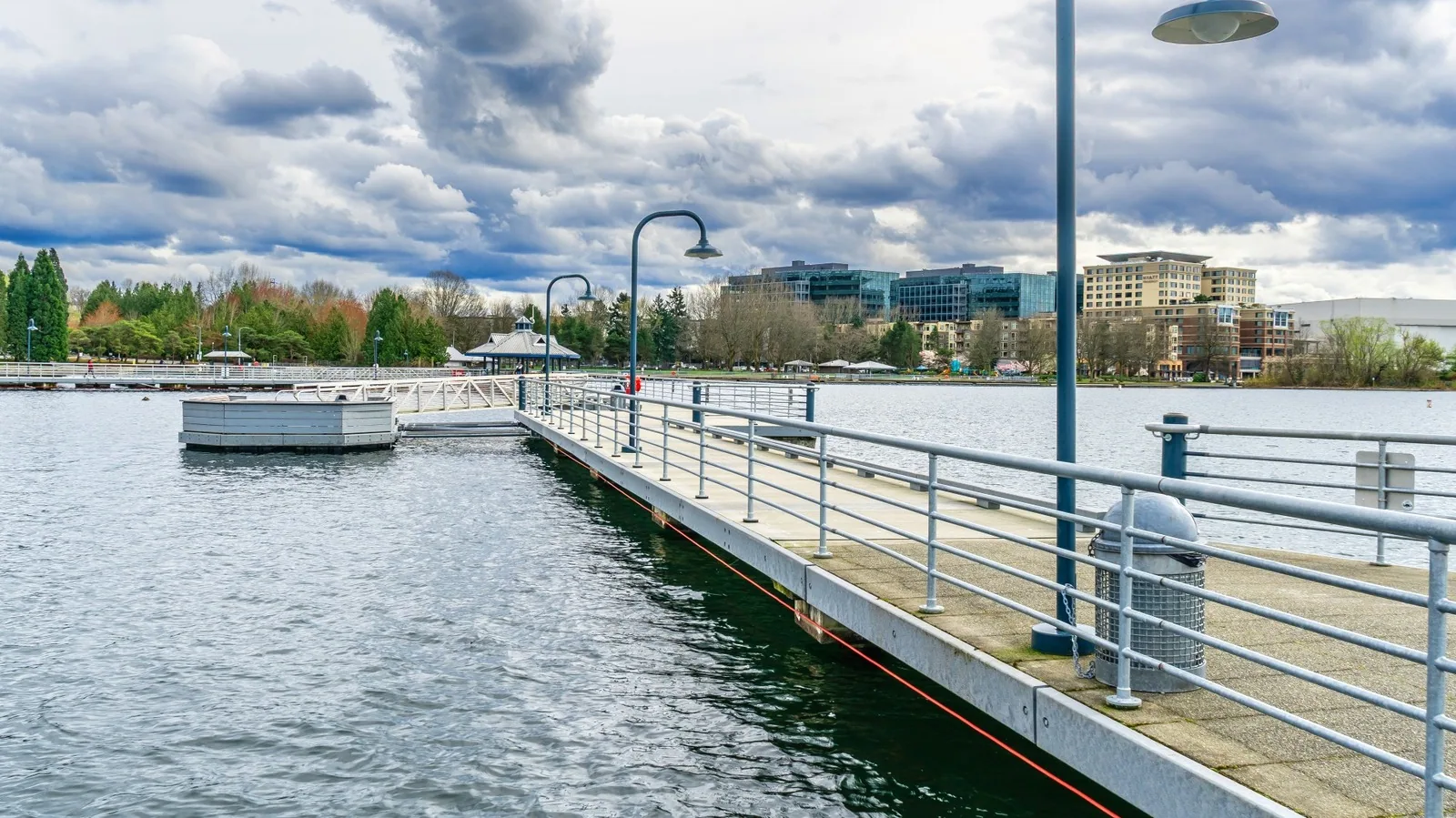
Burien's urban center links regional employment, commerce, education and transportation, with street and sidewalk connections addressed in its long-range framework. Those conditions make safe staging and pedestrian protection worth discussing with the property contact. A roof inspection can define the affected area, distinguish a drain restriction from a membrane failure and show what should be tested before a larger repair.
Public paths: plan staging away from entrances
Where a roof repair sits above a storefront, office, clinic or shared entrance, staging and debris movement can affect people below. We confirm which door, sidewalk or loading area must stay open, where materials can be placed and how the crew will reach the roof. If protection is needed over a public path, the scope describes its placement and removal.
Burien's long-range center framework includes infrastructure and street or sidewalk connections as part of the district's development. A phased occupied-building reroof can define work zones and daily stopping points when conditions permit. If the confirmed issue is one seam or curb, a focused repair may avoid opening unrelated areas.
Burien frames its center as a mixed-use district with a town-square development at its middle, so many rooftops look onto plazas, sidewalks and storefronts. That means a falling tool or a loose bag of debris is a public hazard and not just a site hazard. Catch fencing, covered walkways and a spotter at the roof edge are named in the plan, along with the hours when foot traffic is lightest.
Water route: separate the outlet from the membrane
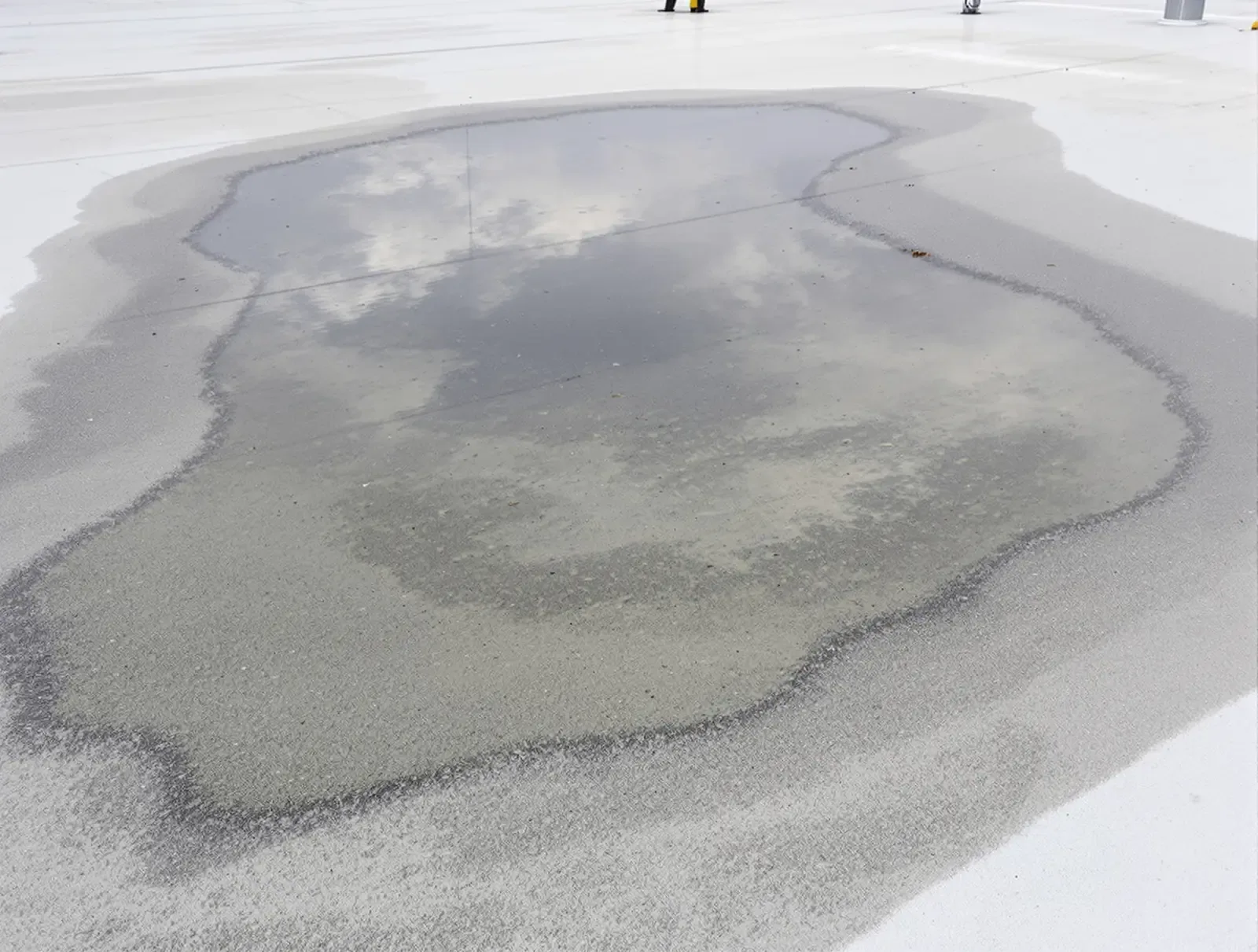
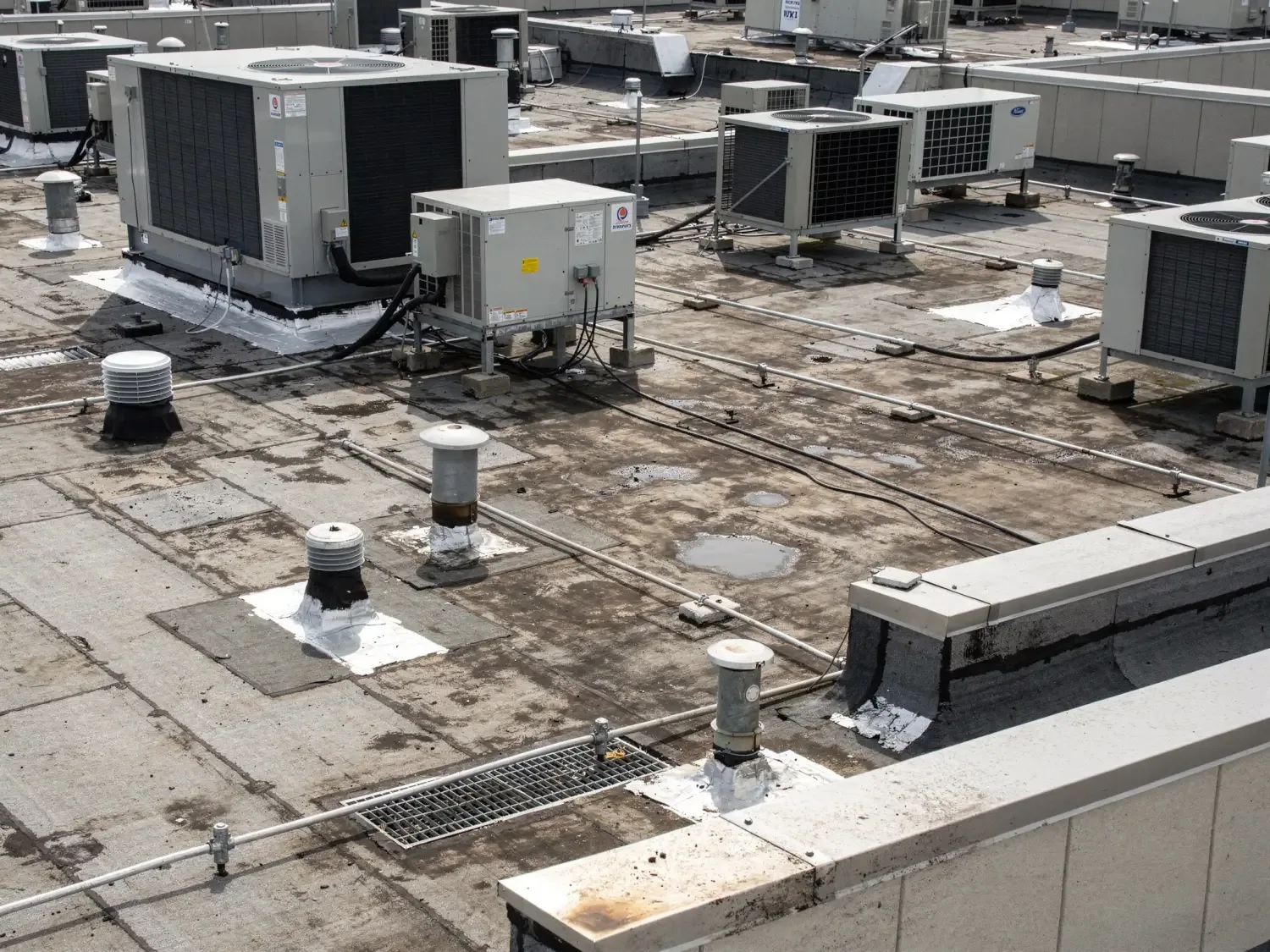
At a low spot, we check the drain bowl, strainer, overflow and connection, then follow the roof slope beyond the pooled area. A blockage can keep water on a sound membrane, while a split lap or loose penetration can admit water even when the outlet is clear. We inspect both possibilities and note what the evidence supports. If moisture below the surface would change the repair choice, we describe a test location and obtain approval before opening the assembly.
Sea-Tac's normals show November and December wetter than July, which is useful context for checking drainage before late-year rain. Drain and scupper work addresses a confirmed restriction or failed outlet. If water remains after the route is clear, ponding-water repair considers slope, deck and insulation instead of covering the symptom.
Assembly: identify the roof before choosing a repair
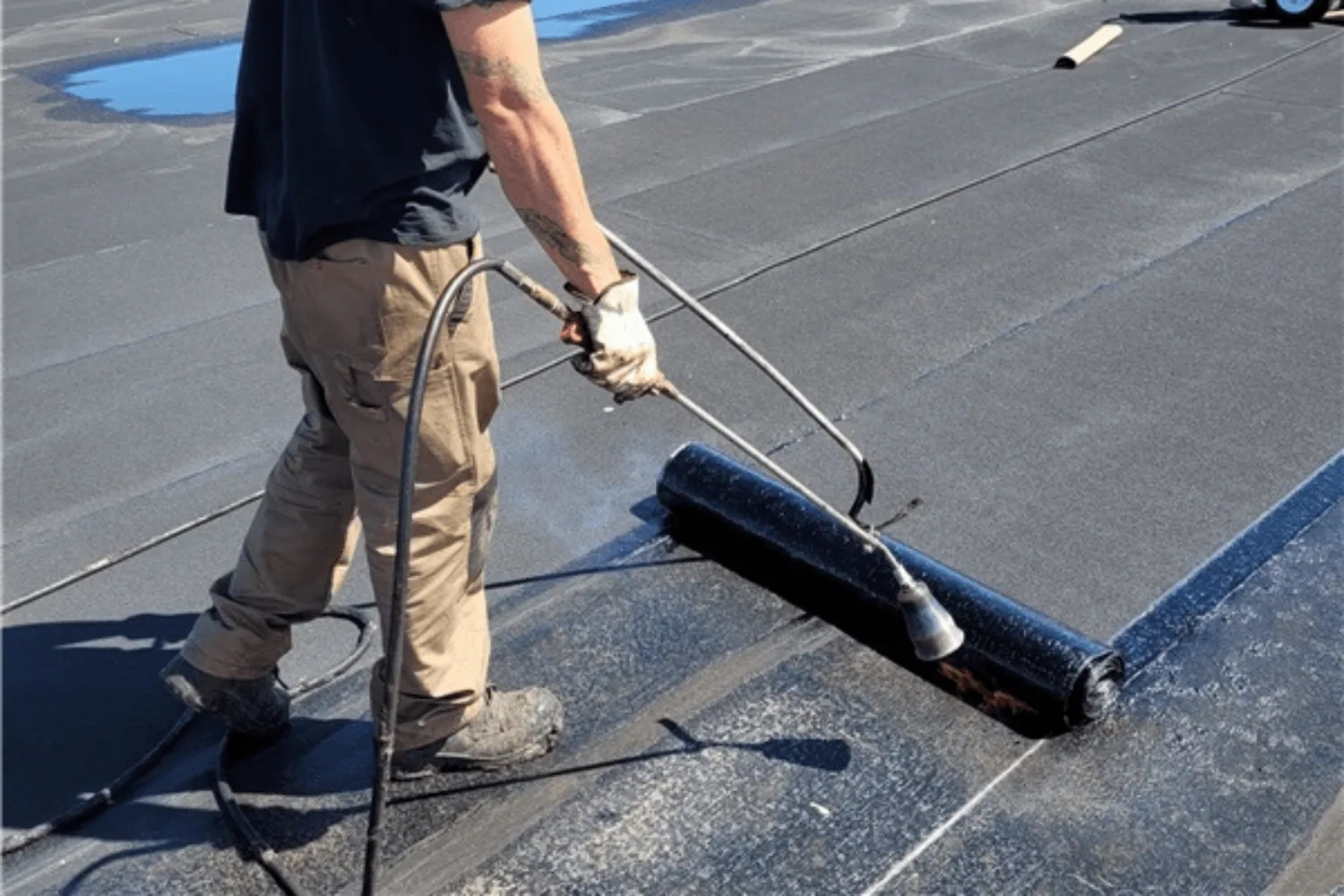
A patch that works on one membrane may not bond to another. We identify the roof system, surface condition, attachment and prior repairs before selecting material. At a wall, curb or drain, the detail often needs a compatible transition rather than a surface bead. Where the field is loose or blistered, the area has to be evaluated before a coating is considered. We keep confirmed defects apart from concealed conditions that would require an approved opening.
If moisture is confined and the surrounding material is stable, repair may be enough. If the assembly is eligible, a recover assessment checks existing layers and attachment. When wet insulation or deck issues are present, replacement work can address them rather than hiding them. Each option depends on the roof walk and project requirements.
Timing: choose a safe stopping point
Rain timing, access and the area exposed by the work all affect the schedule. We plan the work so an opened section can be closed or tied into the roof securely before leaving. If a repair crosses an entrance or requires equipment clearance, those controls are part of the sequence. The property contact can identify quiet hours, deliveries and rooms that need protection. Any area that cannot be accessed remains listed as uninspected.
A small repair can sometimes be scheduled as a contained visit, while larger work may require a sequence of zones and material deliveries. We check the forecast for the planned work window and explain what must happen if conditions change. The proposal separates labor, access, preparation and temporary protection so the manager can compare the likely timing with the building calendar. If rain interrupts the work, we note which tie-in was closed, what remained exposed and whether a follow-up check is needed before the next phase. If an active leak needs interim protection, the temporary measure should limit interior exposure without blocking drainage or hiding the defect from the permanent repair.
Roof record: keep the findings tied to the address
We photograph the drain, seam, flashing and any interior symptom that helps explain the water path. The record notes what was tested, what remained dry, the repair boundary and any item outside scope. If an opening is approved, its location and result belong in the same record. A property manager can then distinguish completed work from a condition that needs follow-up without carrying one building's findings to another.
Because the center mixes offices, shops and housing, a single complaint can reach us from a tenant, a resident or a passer-by. We ask the property manager for a single point of contact and keep that name on the roof record, so a later leak report goes to the same person and the same file instead of starting over.
A roof walk documents the individual roof, and the same rule applies to a building in Renton's Urban Center or Kent's Downtown. A roof condition report organizes observations, approvals and the next check for the person managing the work.
Commercial Roofing Questions
What should be inspected when water appears near a drain?
We check the drain bowl, strainer, overflow, nearby seams and the slope leading into the outlet. A blocked connection and a membrane opening can create similar interior symptoms, so the roof and ceiling marks should be compared. If the route is still unclear, an approved moisture test may show whether insulation or deck conditions change the scope.
Is every Burien urban center building on the town square?
No. The town square is the center of a mixed-use district, and the district covers many other buildings. We inspect the address in question, confirm its assembly and access, and record the visible condition.
How can roof work keep sidewalks usable?
We confirm where the crew enters and whether a sidewalk, doorway or loading space must remain clear. The sequence can set protection, material staging and a safe route around the work. If a path cannot be maintained during a particular task, the property contact can plan that temporary restriction before the crew arrives.
When is a recover preferable to replacement?
A recover is considered when existing layers, attachment, moisture and deck conditions support another system and project requirements allow it. We inspect those items before recommending a cover. If wet insulation, loose attachment or deck deterioration is present, removal may be needed to reach the cause. The written scope states which conditions are confirmed and which need testing.
What helps keep a repair proposal clear?
The address, leak location, roof plan, repair history and access rules help us prepare. The proposal should identify the detail to be repaired, adjacent material checked, work boundary and any test that could change the decision. Photos and a follow-up record make it easier to compare the completed work with later conditions.