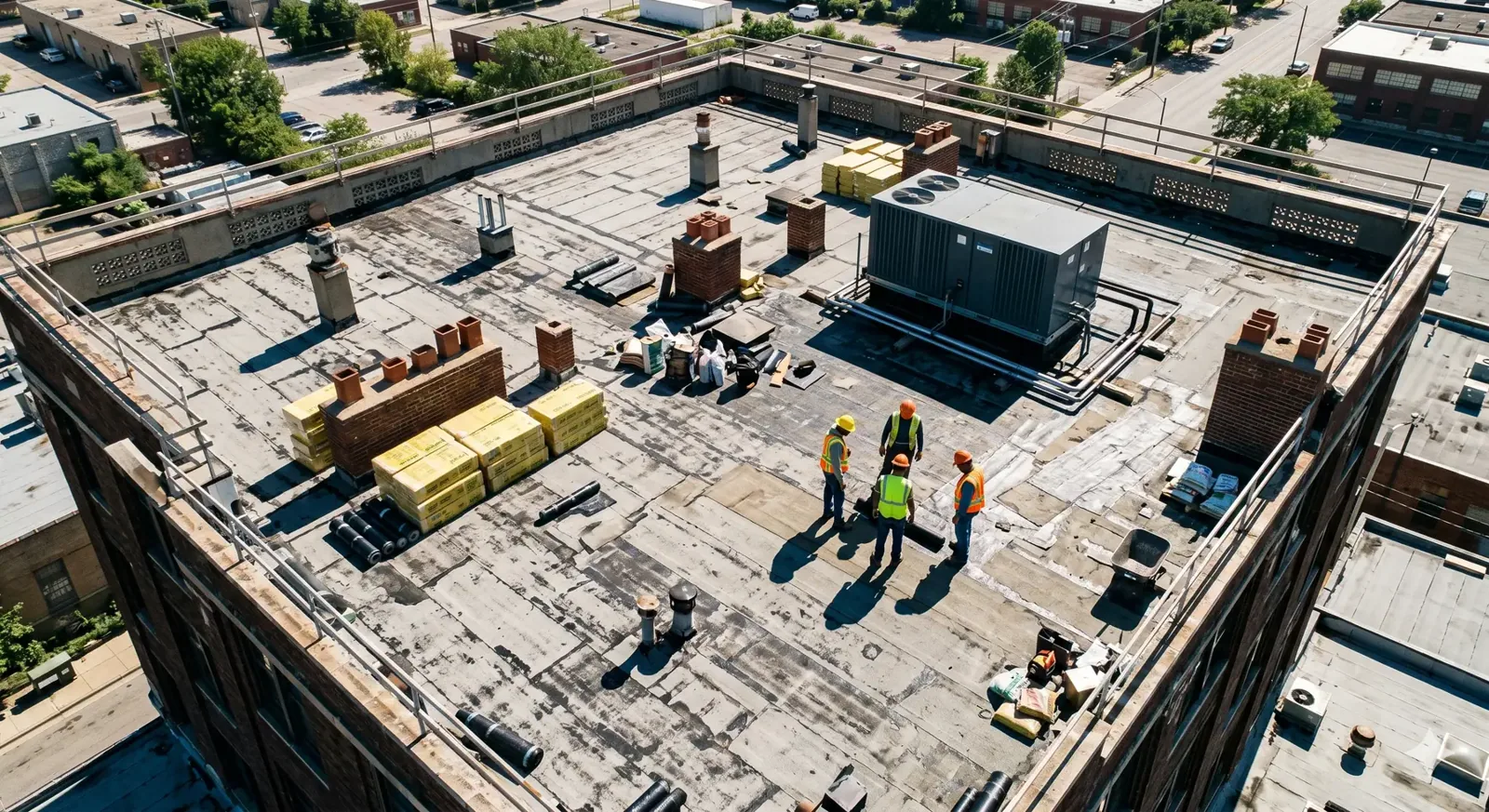
Finding a wet mark below a roof edge is a reason to trace the drain route, not to assume the nearest seam caused it. In Des Moines, WA, we start with the roof detail where water can enter or pause, then work back toward the visible symptom. Des Moines names its downtown and waterfront among the areas where it welcomes business investment and development, and a roof in either place is read from the building itself. We inspect the building, record the membrane and metal details, and explain the boundary of a repair before recommending broader work.
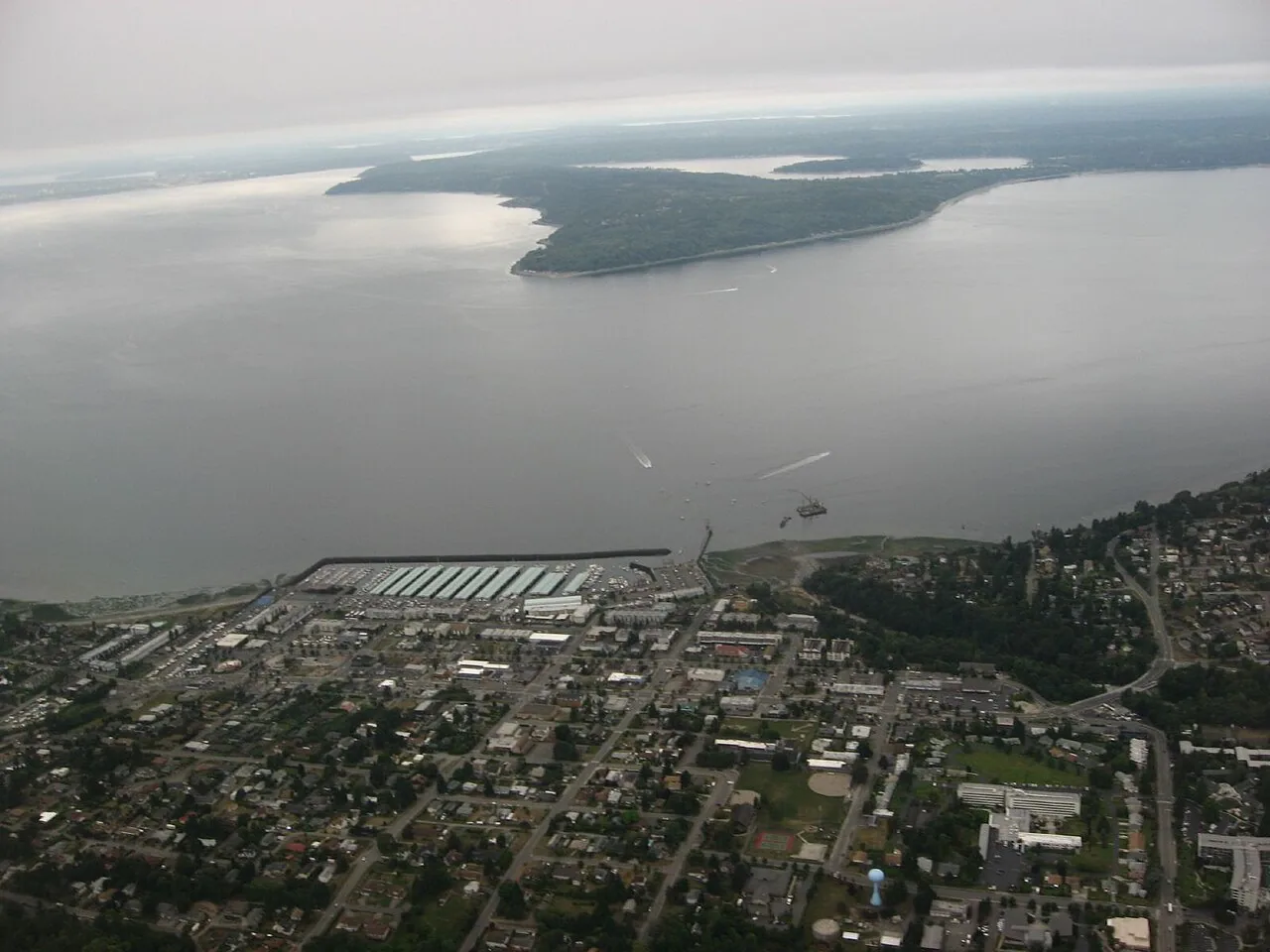
Des Moines sits close to I-5, SR 509, regional transit, ports and freight corridors, which matters for truck access and material deliveries. A commercial roof inspection checks the visible water path, penetrations, edges and outlets, then gives the property contact a practical record of what needs attention and what can wait for more evidence.
District setting: keep the property in view
Downtown and the waterfront are broad parts of Des Moines, not a single address or property. The city welcomes business investment in those areas and connects their growth to a wider program for existing businesses and new development. The roof condition still comes from the building's own inspection.
Before setting a walk, we ask which entrance or roof access point the owner has approved, whether deliveries or public access need to remain clear, and who can confirm rooftop equipment restrictions. Those details matter when a repair involves a lift, material staging or short closures. For a roof with a known leak, the first visit follows water marks, seams and drain connections.
Drain route: find where water slows
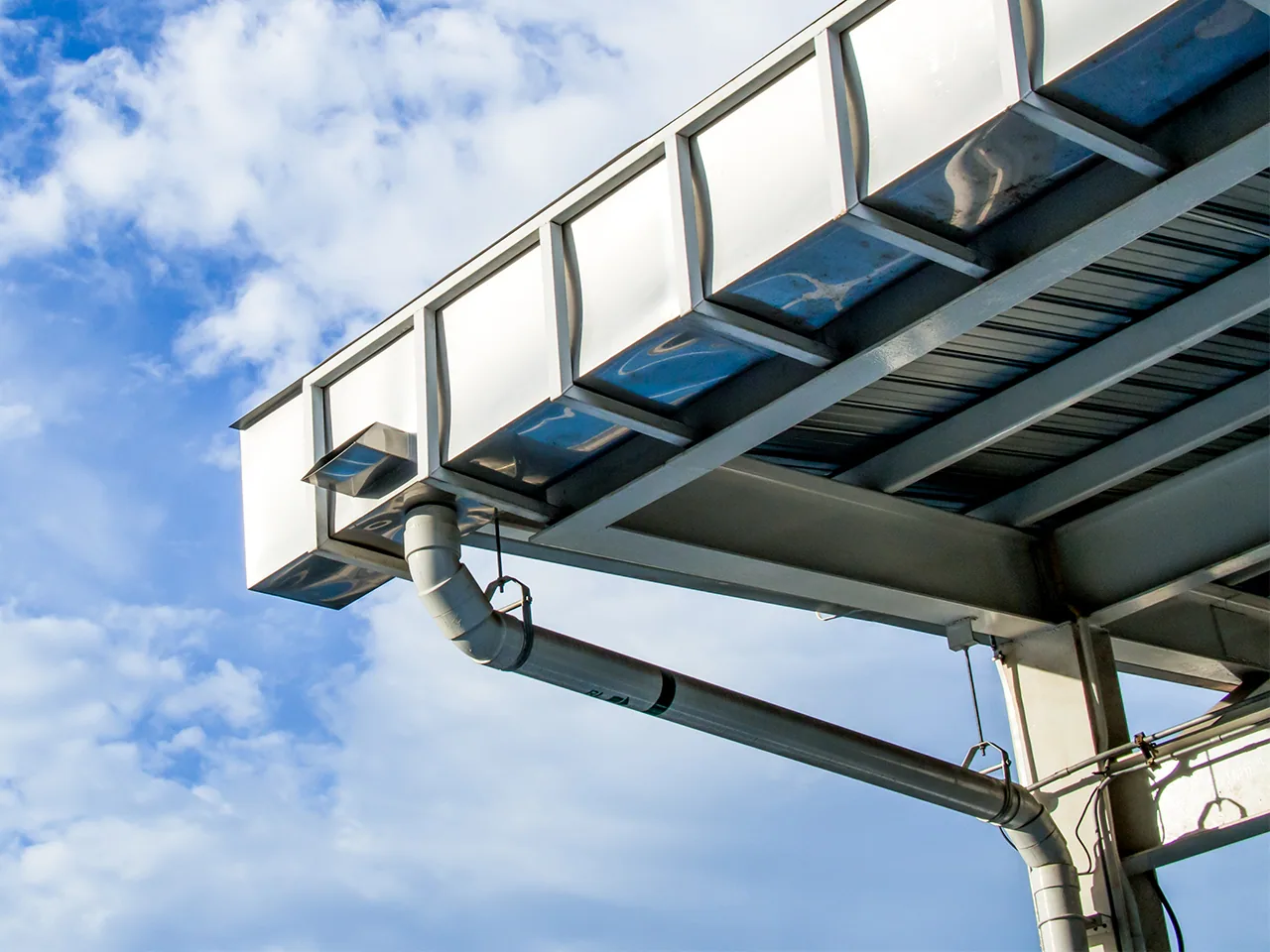
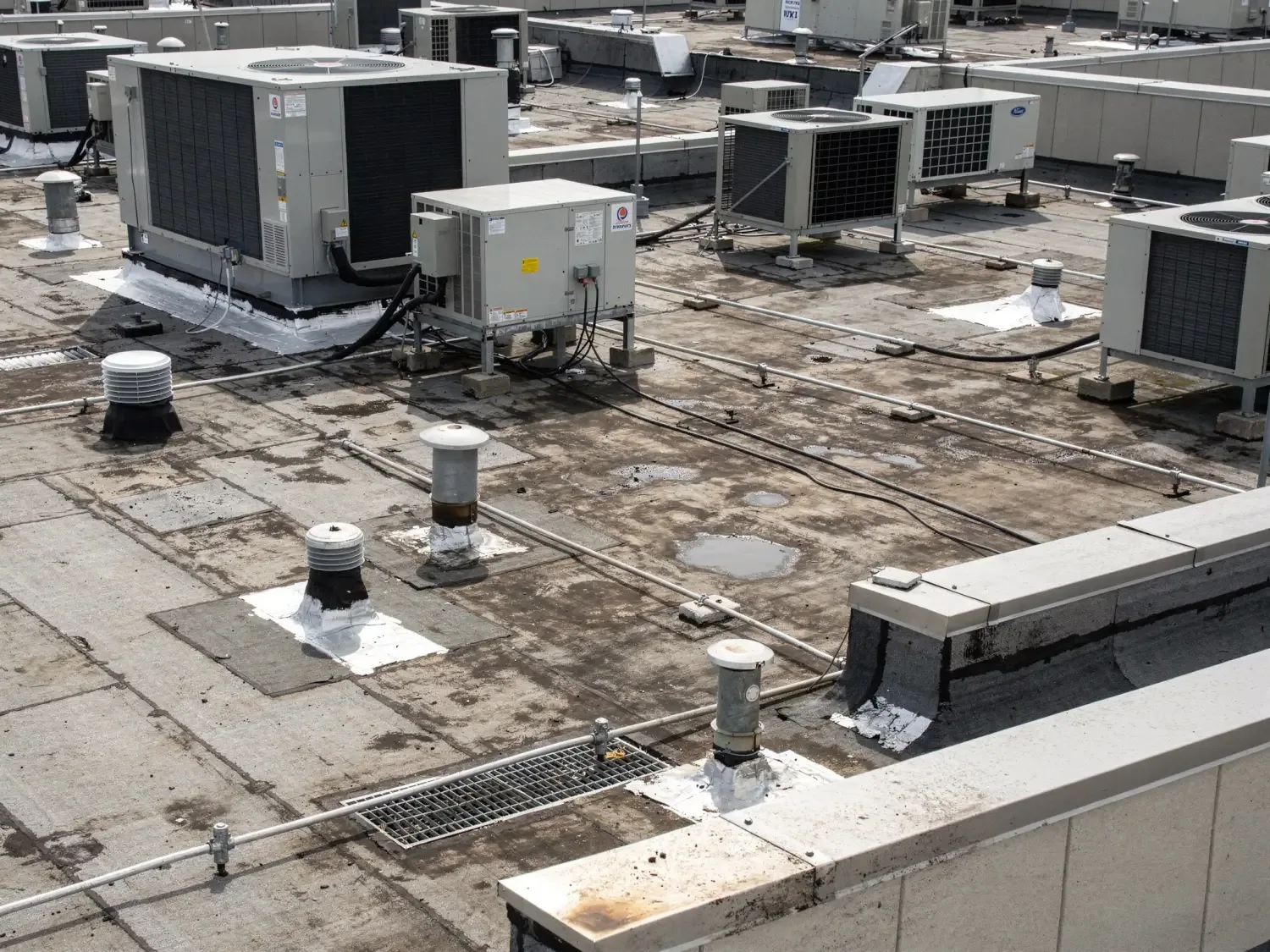
A drain can be open at the surface and still fail to clear water if the bowl, connection or surrounding membrane has shifted. We follow the low route toward the outlet, check for debris and look for raised seams that can hold water against a detail. At a scupper, the inspection continues through the throat and onto the exterior face where accessible. A stain below the roof may be offset from the entry point, so we compare interior clues with roof conditions before setting a repair boundary.
Nearby Sea-Tac climate normals show that November and December are much wetter than July. Those measurements come from the Sea-Tac station in neighboring SeaTac, and they are a reminder to make drainage checks before the wet stretch, when there is more opportunity to clear an outlet or repair an open seam in suitable conditions. If a drain connection or scupper is the confirmed failure, a focused drain and scupper repair can be priced separately from membrane work.
Roof detail: test the edge before patching
At a roof edge, a loose termination bar, open lap or split sealant joint can let rain track beneath the visible surface. We inspect the metal corner, membrane termination and substrate for movement, then check nearby seams to see if the defect is isolated. A patch only holds when the surface is clean, dry and compatible with the existing system. If water has traveled below the membrane, the visible opening may not show the full area that needs attention.
Records can identify the system, but we verify it at the roof before selecting a patch or weld. A TPO membrane repair needs a compatible piece and a prepared seam; a coated surface, EPDM or modified bitumen calls for a different detail. We record what we can confirm and flag uncertain substrate or attachment for a test when it would change the scope.
Repair choices: price what the evidence supports
A localized repair makes sense when the failure is bounded and the surrounding roof remains secure. Multiple openings, loose seams over a wider area, recurring leaks or wet insulation can shift the decision toward a larger repair or replacement. We show the observed condition, proposed work and excluded areas in separate lines, so the owner can see what the price covers. If a moisture survey could change the tear-out boundary, we describe that test before including an allowance.
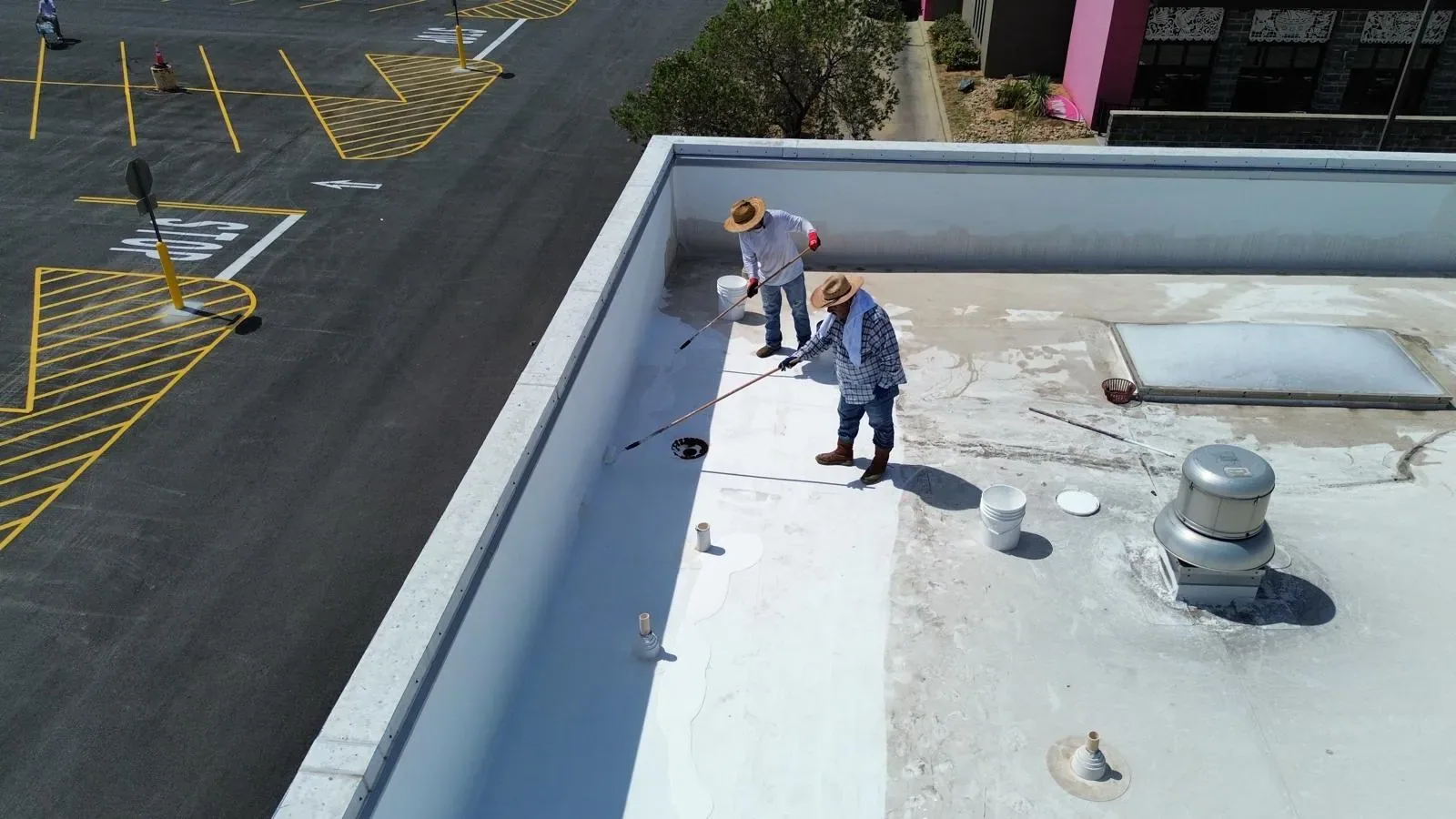
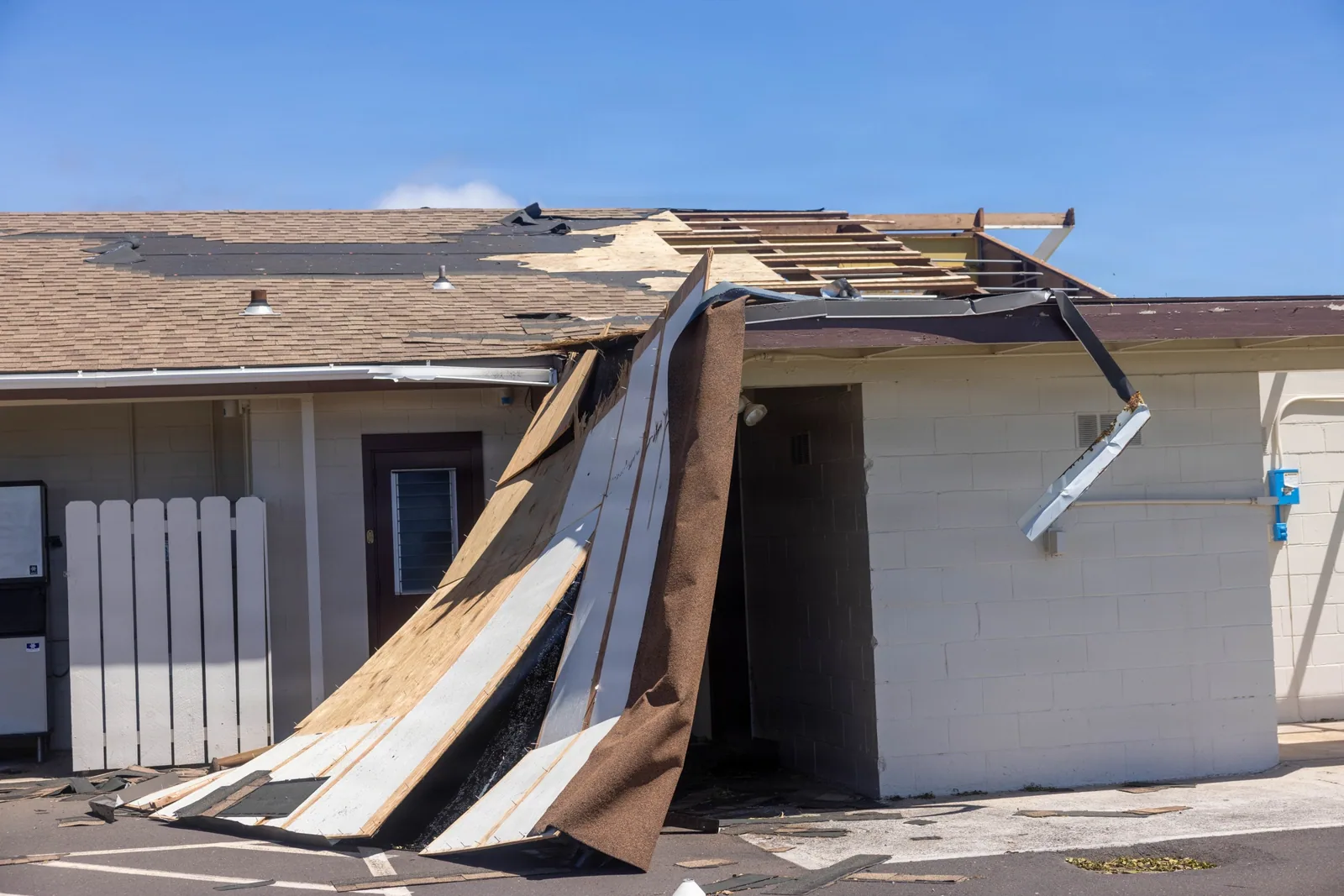
A coating or recover depends on adhesion, drainage and the condition beneath the surface. It should not cover wet insulation or conceal movement at an edge. We compare repair, restoration and tear-off only after checking those conditions, and we identify any code, warranty or manufacturer question that needs confirmation for this specific project. A roof restoration option can be evaluated beside a replacement scope when both are viable. For wind or impact damage, a separate storm repair plan distinguishes immediate protection from permanent work.
Timing: coordinate access and dry work
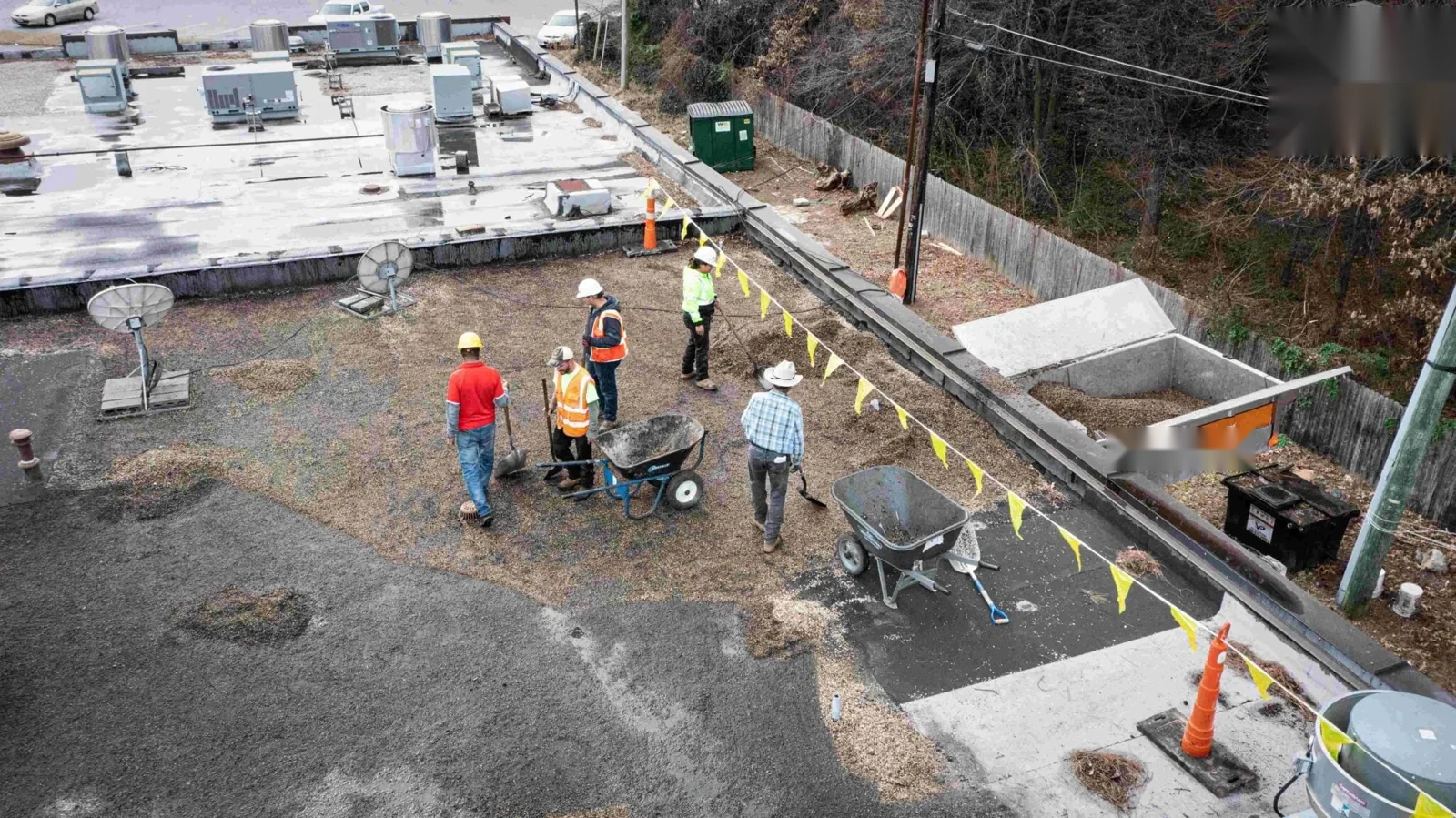
Regional transit, port and freight connections mean crews and deliveries meet real traffic, so we arrange them with the owner. We agree on the access window, roof entry and safety requirements before bringing materials. If the building has tenants or public-facing operations, the work sequence should keep the approved route open and put any temporary restriction in the estimate.
Repair timing also depends on surface condition. Rain, moisture in the substrate, cold temperatures or a bond that needs preparation can change which day is suitable for permanent work. If water is entering, temporary protection may be a separate first step while the roof dries and the repair area is confirmed. We tell the owner what needs to happen before the permanent repair, what can proceed now and what could change the date. The occupied-building work plan can help set phasing where access and normal activity overlap.
Roof record: make the next visit useful
Photos are easier to act on when each one names a roof location, nearby detail and next check. We note the leak point, drain route, open seam or metal corner, and whether the visible condition supports repair or needs a test. The owner can compare that record with prior service notes, warranty documents and any roof plan on file. If the record leaves a question about assembly or moisture, we state the limit rather than stretch a conclusion beyond what the walk showed.
An owner with another building in SeaTac Central or Tukwila South gets a separate walk for each. Send the address, the room or area where water appeared, the roof history and an available access window. We can then inspect the actual path, set a repair line and explain which evidence would change the choice between a small repair and a larger project.
Commercial Roofing Questions
Does a downtown or waterfront address tell you what roofing system is installed?
No. The city uses those names for broad areas where it welcomes investment and development. We identify the roof system from the property records and visible details, then verify the condition at the roof before selecting a repair material.
Why is the leak showing up away from the roof opening?
Water can move beneath a membrane or along a deck before it reaches the ceiling. We trace the likely route from the interior mark to nearby seams, curbs and outlets, then note where more testing would help locate the boundary.
What should be checked before a drain repair is approved?
We inspect the bowl, connection, membrane tie-in and downstream outlet path. If the drain itself is clear but the surrounding membrane has lifted, the estimate should separate that detail from debris removal or interior repairs.
Can permanent work start during the first visit?
We can proceed with a small repair when access, dry conditions and a sound repair edge are confirmed. If the substrate is wet or the boundary is uncertain, temporary protection and a defined follow-up test may be the sounder sequence.
How do you compare coating with replacement?
We first check attachment, moisture, adhesion and drainage. If the existing roof can accept restoration, we price the preparation and system separately; if concealed damage or broad failures change that basis, the replacement scope should make those limits clear.