A ceiling mark near a roof seam is a starting point, not a repair boundary. In Tukwila South, we trace the route from the interior mark toward the nearest curb, lap and outlet, then note where the membrane or metal detail lets water travel. Tukwila describes this broad area through a long-term development agreement, so the district name does not identify one building or one roof type. We inspect the property in front of us and write down what the visible condition can support.
The project area covers about 512 acres, with its edges running roughly from S 180th Street and the Green River toward S 204th Street and the Orillia Road and I-5 side. Those limits help define a broad district; they do not tell us what any roof contains. A roof inspection records the assembly, access limits, drainage and repair details so an owner can separate an isolated leak from a wider issue before approving work.
District boundary: keep the scope broad
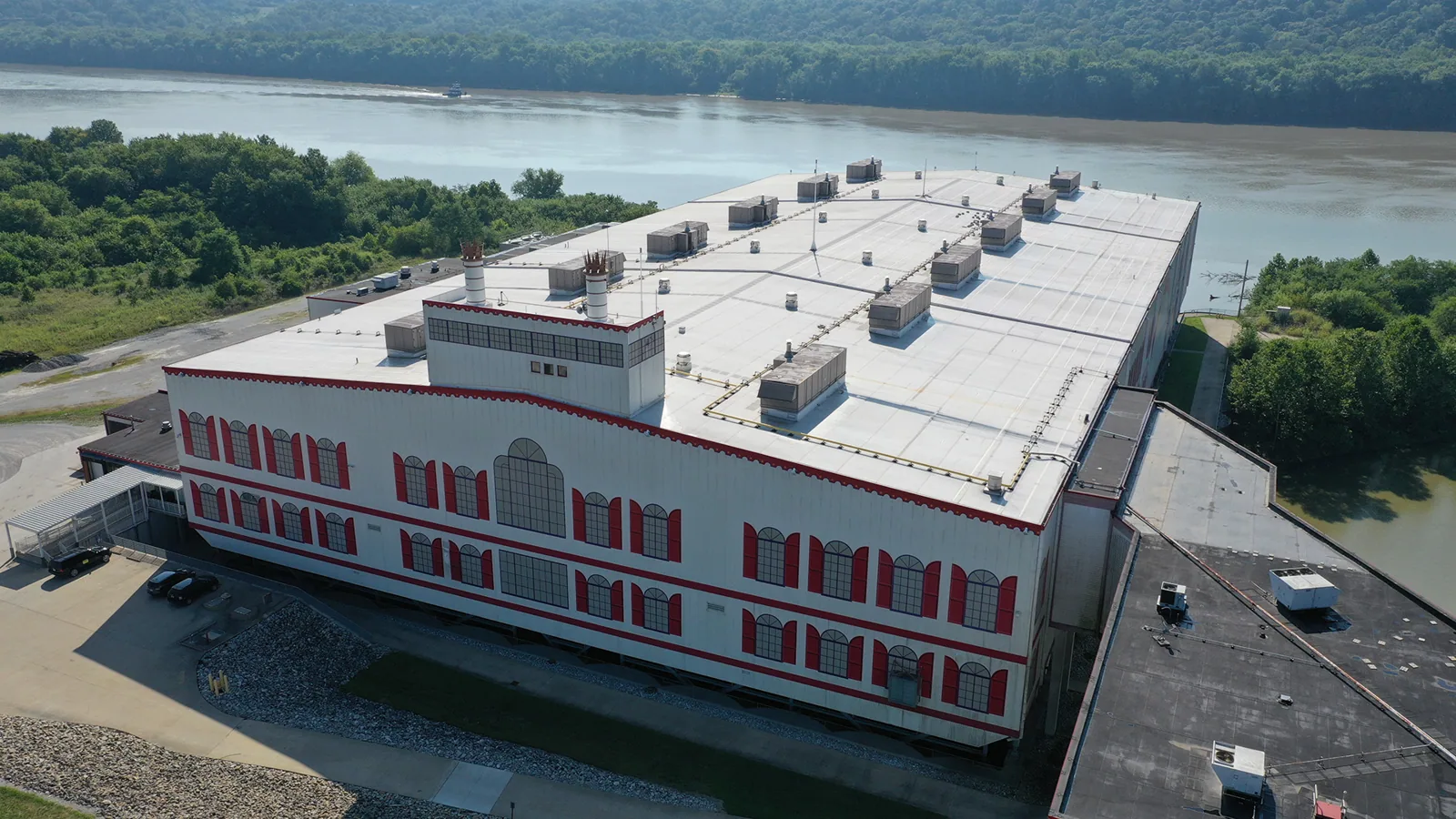
Tukwila South is a multi-property planning area, not a particular employer, building or operating facility. The Green River and the named road edges are useful geographic references, while the roof scope remains tied to each owner's records and inspection. A roof plan, service history and visible seams provide better starting evidence than a neighborhood label.
Before a visit, we confirm which property contact can approve roof access, where a safe entry is available and whether deliveries or site operations restrict staging. On a larger property, that may mean agreeing on a walk path and keeping equipment clear. The inspection record identifies the roof section and each photograph's location, so a later estimate does not blur conditions from separate areas together. Where active operations affect access, the occupied-building work sequence keeps the roof task aligned with the approved window.
Planned growth: why each roof needs its own record
The city's development agreement sets out a long-term concept for Tukwila South next to I-5 and near the regional airport, and its 2009 project materials estimated future employment and occupied space. Those figures are projections, not a count of buildings that exist today, so a roofing decision starts from the actual building, its current operation and its roof condition.
This distinction matters when a manager is comparing repairs across different properties. One building may need a curb flashing repair while another needs a drain correction or an investigation of wet insulation. We photograph each condition, note the evidence that supports the scope and identify any assumption that needs confirmation. A broad estimate based on projected district growth can miss the real cost drivers, including access, tear-off, disposal, insulation replacement and protection of occupied areas.
Water path: check the outlet and the lap
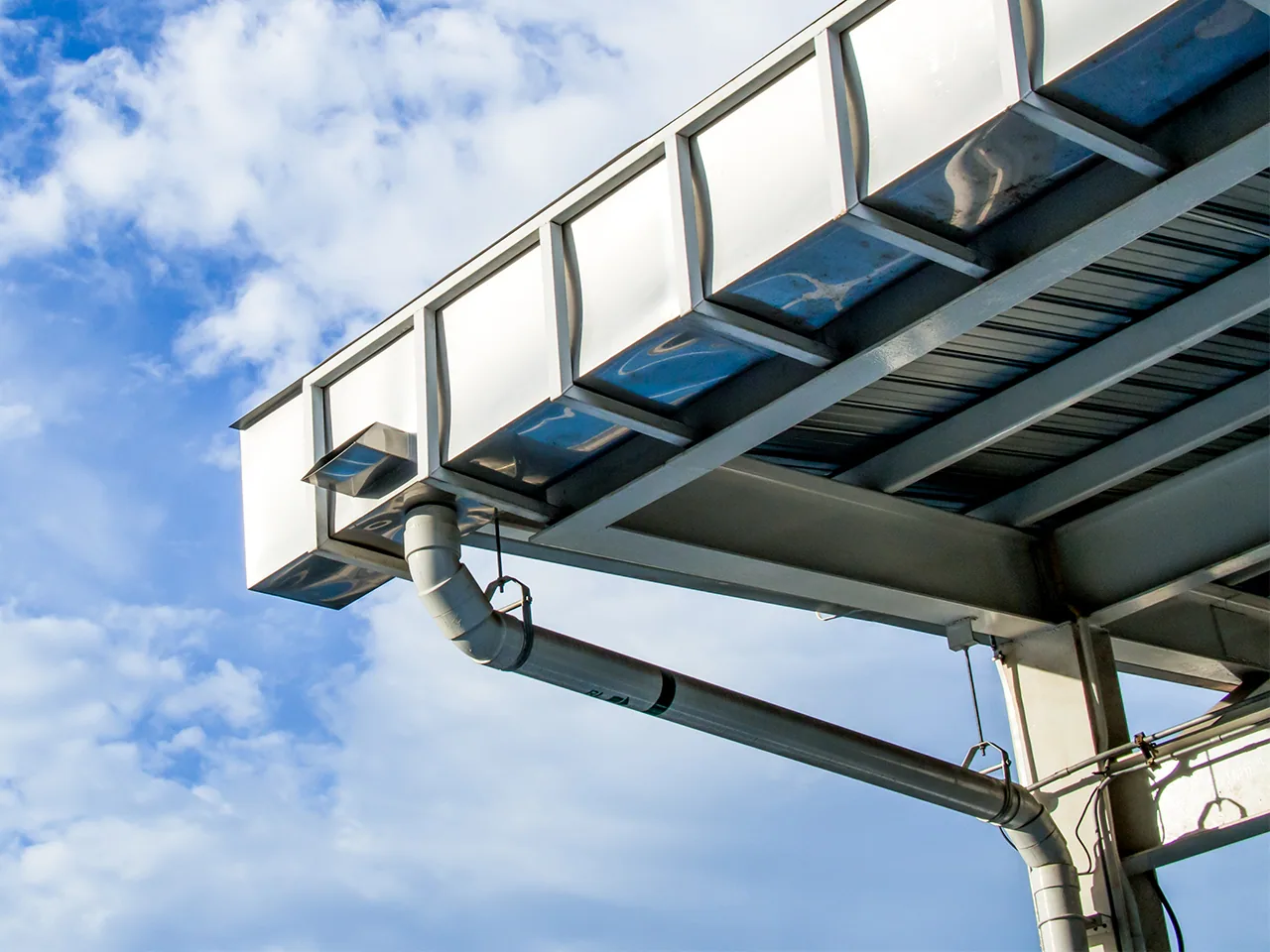
Water collects where a roof's slope, insulation or repair history changes the route toward an outlet. We inspect low spots, drain bowls and scupper throats, then follow seams that meet those details. A raised lap can slow drainage and hold water against a flashing edge; a clogged outlet can create a separate problem. If the interior mark lies far from the roof opening, we trace how water could move beneath the membrane rather than assuming the nearest visible penetration is the source.
Sea-Tac regional normals show November and December precipitation averages well above the midsummer July level. That comparison describes the Renton market's nearby station, not Tukwila South or a specific roof. It supports checking water paths before the wet season, when outlets can be cleared and loose details addressed if conditions allow. We distinguish a drain or scupper repair from a membrane patch, and list both only when each has its own observed cause.
Roof system: verify before choosing a repair
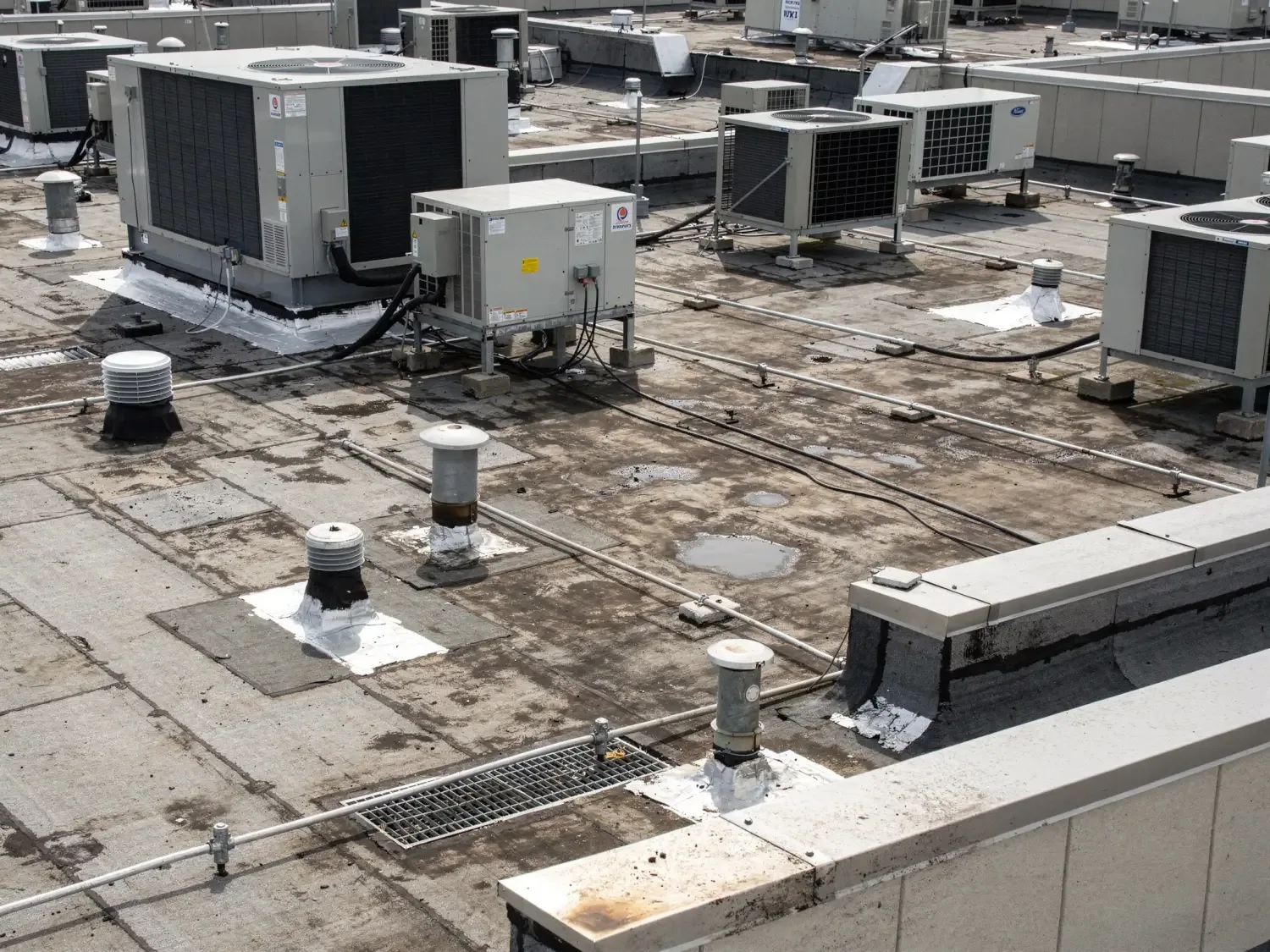
A clean, sound membrane around a small opening may accept a local patch. If the surface is brittle, detached, coated or wet beneath the seam, the same repair detail may not hold. We inspect material, attachment and substrate, check nearby laps and document any curb or pipe boot that interrupts the water path. If records do not identify the system, we verify visible details and state what remains uncertain before proposing a material.
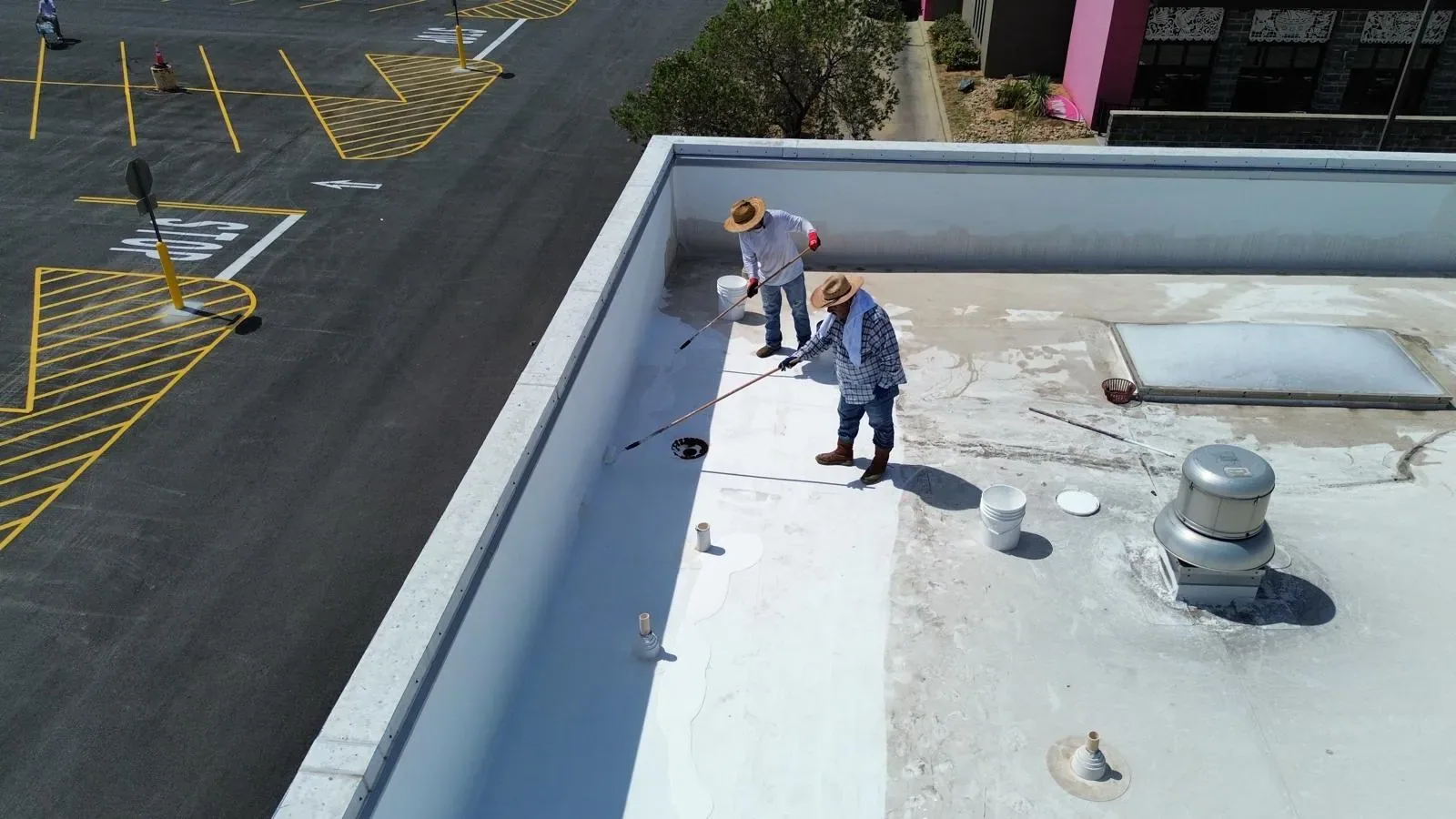
For example, a compatible EPDM repair detail differs from a heat-welded seam or a coating system. We do not select by color or by a planning map. If moisture extent is unclear, an approved test can establish whether the repair area should expand. That evidence can change the owner's choice between patching, a targeted replacement section, recover or tear-off. A restoration scope belongs in the comparison only after adhesion, drainage and substrate condition are checked.
Cost drivers: draw the repair line
The estimate should show what is being repaired, how the boundary was set and what could move it. Labor changes with access, height, staging and the number of details; material changes with the existing system and preparation needed for a reliable bond. Wet insulation, concealed damage or a failed substrate can require removal beyond the visible opening. We price confirmed work separately from testing or allowances so the owner can see which information is still needed.
If multiple seams fail or moisture reaches a broad area, a replacement option may be compared with localized work. A distribution property has operational access questions that belong in its own project plan, but the district itself does not prove a facility type. We explain the work sequence, disposal, temporary protection and any item that depends on a test. That lets the manager authorize a defined first step without treating an uncertain condition as a fixed quantity.
Roof record: carry the evidence forward
We leave a record that connects the photo, roof location and next action. It can note an open lap, loose metal corner, restricted outlet, suspected moisture or a test that would change the repair boundary. The owner can compare that information with warranty documents, prior service notes and any roof plan on file. If a field condition differs from the records, the estimate should say so rather than silently carrying an outdated assembly into the scope.
An owner with another building in Southcenter or the SeaTac Central planning area gets a separate walk and record for each. Share the property address, leak location, roof history and an access window, and we can follow the actual water path, document the repair line and identify what evidence would change the recommendation.
Commercial Roofing Questions
Does the Tukwila South development agreement describe a building's roof?
No. It describes a broad long-term district concept and older projections. We inspect each property and verify the visible assembly, access and roof condition before recommending repair or replacement.
Can an interior stain show how large the roof repair needs to be?
The stain shows where water became visible, but the entry point can be at a curb, seam or outlet farther away. We trace the path, inspect the surrounding details and use testing when concealed moisture could change the repair boundary.
What happens if the roof material cannot be identified from records?
We check the visible membrane, seam and flashing details, then describe what is confirmed and what is not. A small test may be appropriate before a repair material is chosen if compatibility or adhesion is uncertain.
When should a drain problem be separated from membrane work?
When the outlet, connection or throat has a distinct obstruction or failure, we price that line apart from a nearby membrane repair. If a raised lap is holding water at the drain, both conditions need their own photographs and scope.
Which information helps set a realistic schedule?
Roof access, active operations, staging limits, dry-weather requirements and material lead time all affect the sequence. We confirm those items with the property contact and separate urgent temporary protection from permanent work if the roof is not ready for a lasting repair.