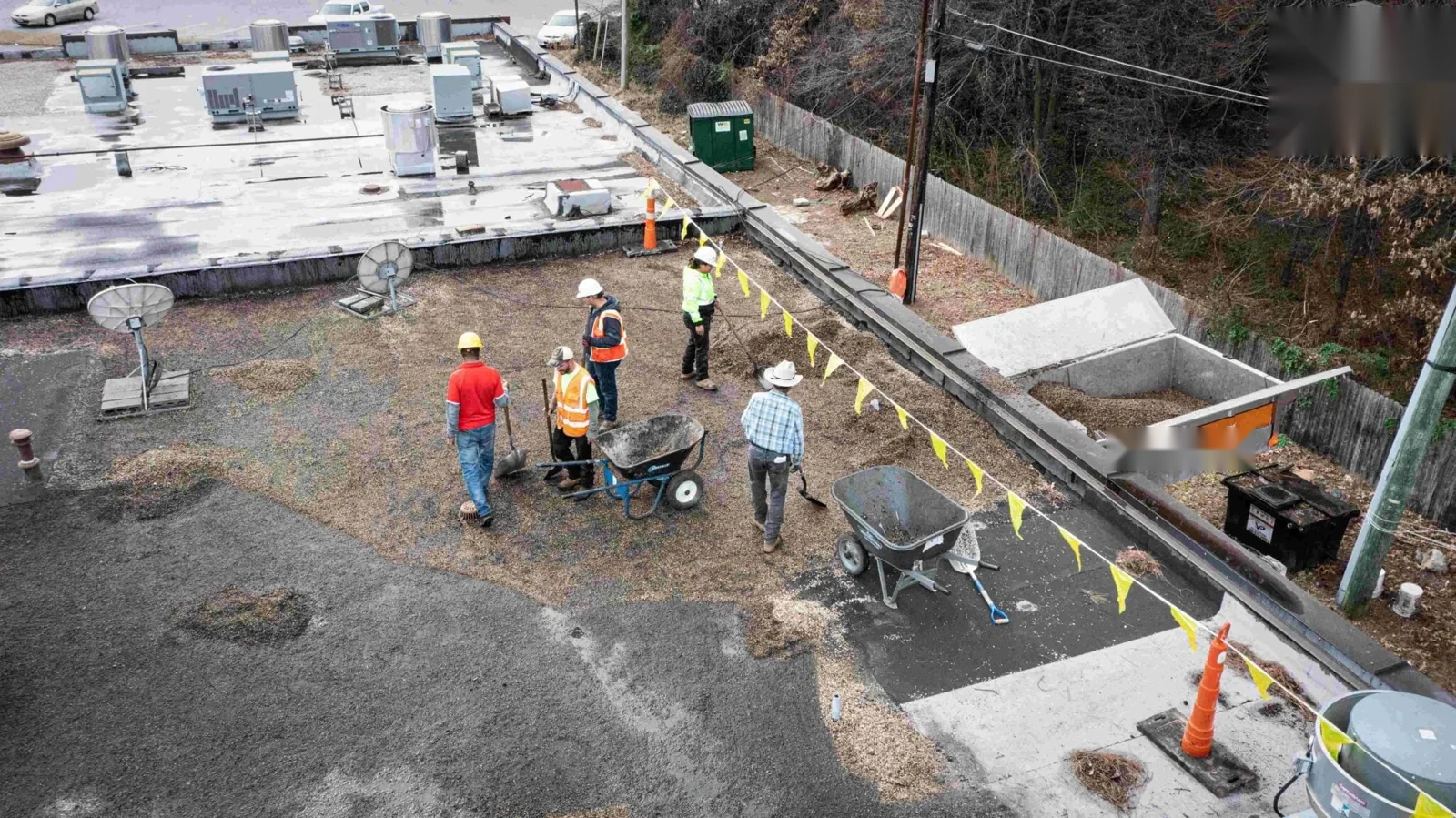
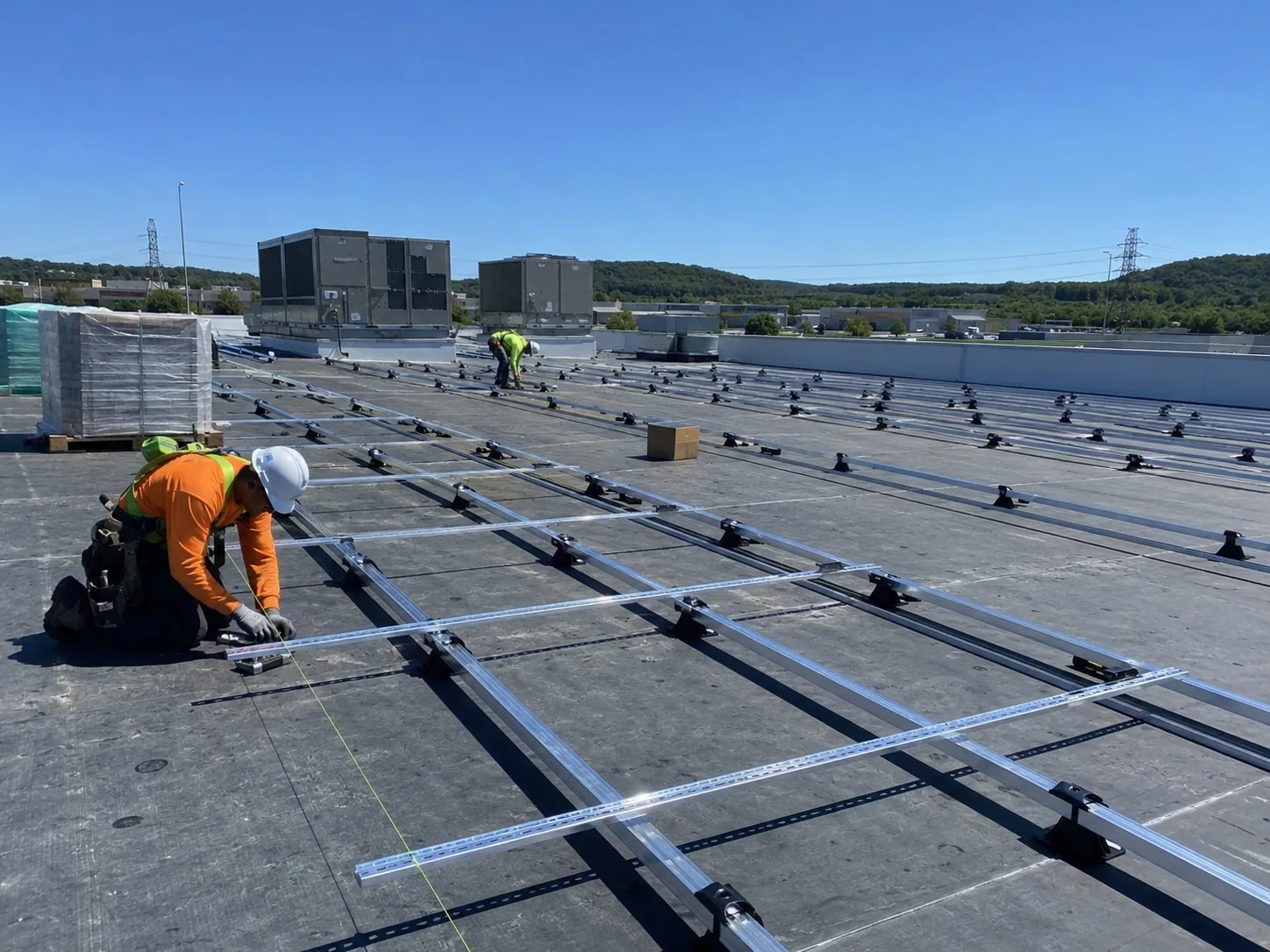
Solar rails add penetrations, attachment points and service paths to a roof that already has a drainage job to do. Before an array is laid out, we check the membrane, seams, insulation, curbs and roof records to see whether the surface can support the proposed work. Sea-Tac's November and December precipitation averages exceed its July average by a wide margin, so a Renton roof also needs an open water path after panels and walkways are added.
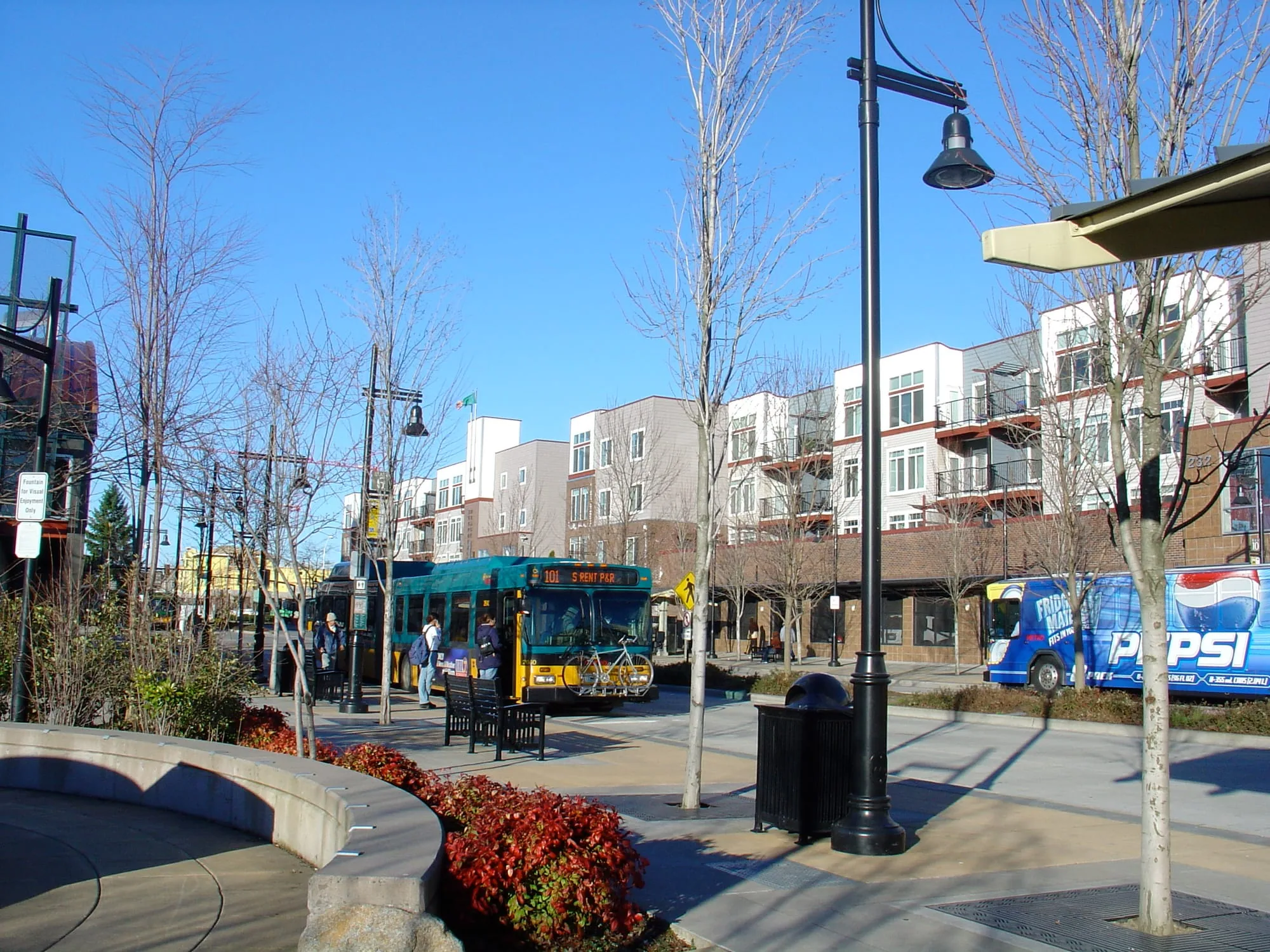
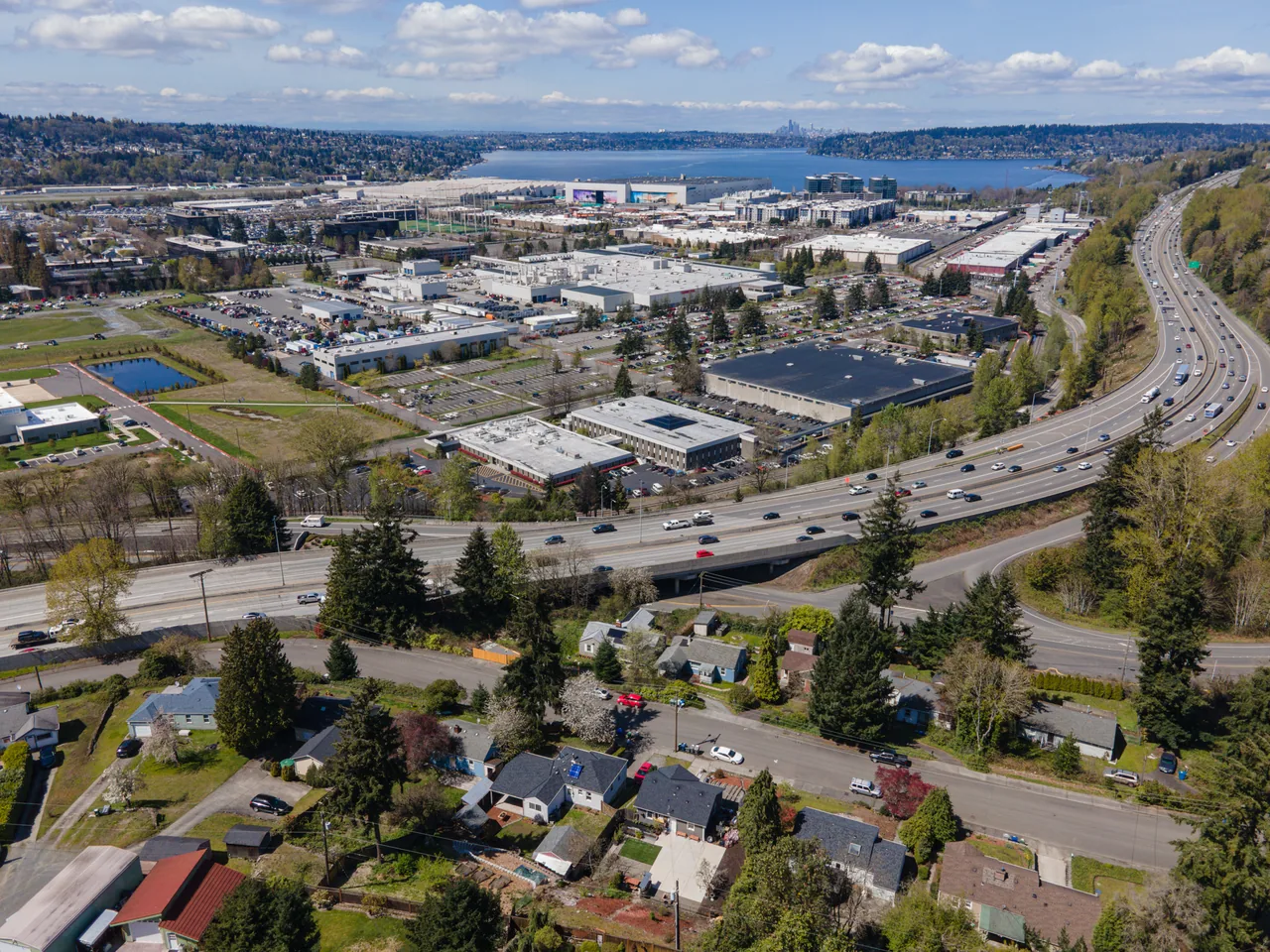
The Renton Valley Subarea has long been a logistics and light-manufacturing district, and Downtown Renton is where the city maps its Center Downtown zoning, so array work here can land on a warehouse deck or an office roof. Each building has its own roof and operating schedule. We coordinate with the solar installer and property team so attachment locations, flashing, clearances and future maintenance can be considered before work starts.
Roof condition: decide what belongs beneath the array
A roof near the end of its service life can become harder to access once panels cover the field. We inspect seams, edges, penetrations, drains and previous repairs, then note moisture concerns or loose areas that may need testing. The record should show which sections were reviewed and what remains uncertain. If the assembly needs replacement or repair first, that work can be planned before the solar equipment makes the surface less reachable.
A roof inspection can map the current condition and identify questions for the next trade meeting. Where a localized failure exists, a commercial repair may resolve the detail before layout. If broad deterioration changes the roof decision, a replacement scope can be coordinated with the solar schedule so penetrations and flashing are installed on the selected assembly.
Array layout: leave the water path visible
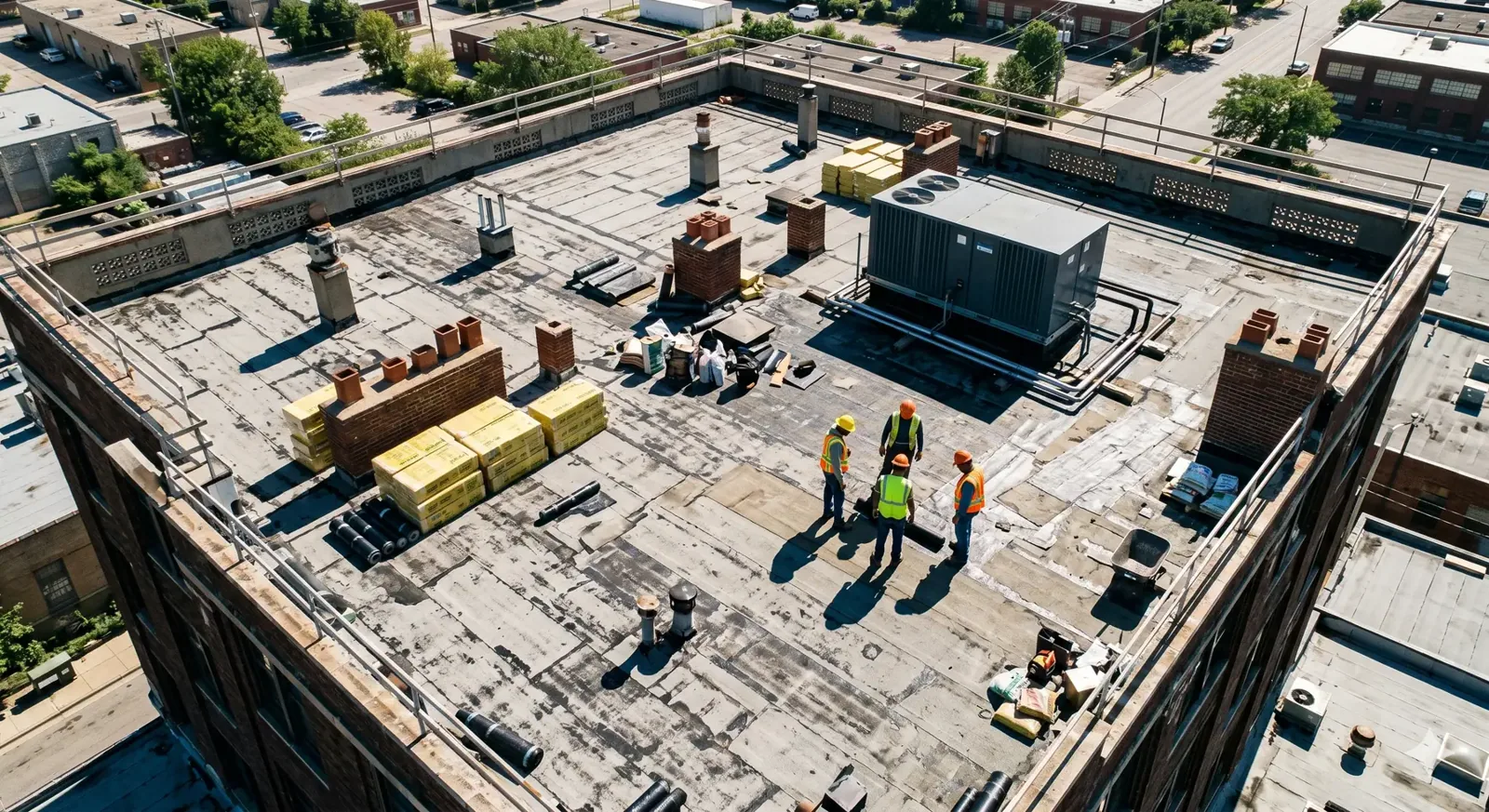
Panel rows, support rails and walk paths should leave access to drains, scuppers, skylights and equipment. We compare the proposed layout with the roof slope and outlet locations, then flag places where a walkway or rail could trap debris or obstruct a service route. A roof plan with array dimensions and attachment details lets each trade see the same work area before a fastener reaches the membrane.
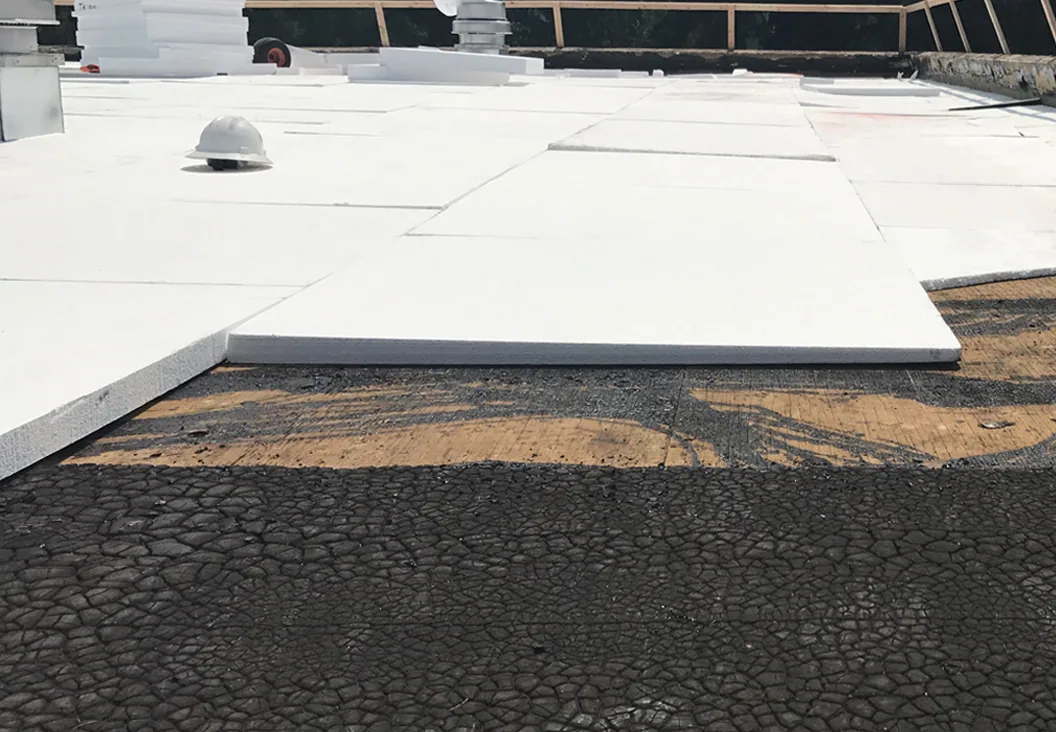
In the Renton Valley Subarea, receiving operations and rooftop equipment may affect when a crew can stage materials or close a work zone. We ask the site contact to identify access rules and equipment that must stay available. A drain and scupper review can map the outlets before panels are placed, while a roof insulation assessment can identify assembly concerns relevant to attachment and thermal performance.
Attachment details: keep each trade on the same plan
Solar attachment design depends on the roof system, structural review and array loads. The roofer handles membrane and flashing details within the roofing scope; the solar contractor and design professionals determine the array and attachment requirements. We review proposed penetration locations, curbs, seal details and warranty constraints with the project team, then identify what needs to be resolved before the roof is opened.
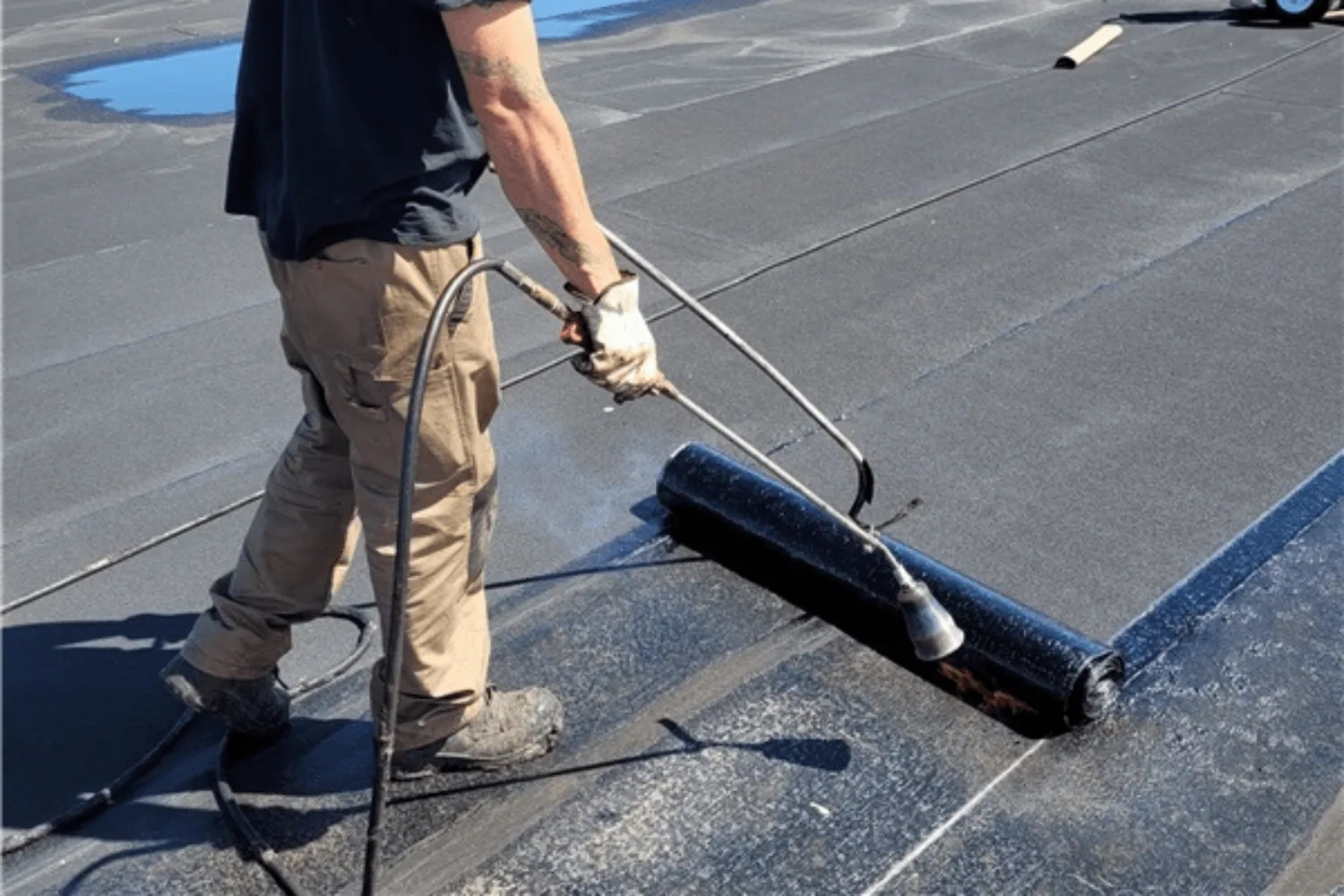
A penetration should not be treated like a surface patch. The detail needs compatible materials, sound preparation and a water-shedding transition that can be inspected after installation. If a support or rail crosses a seam, the team should agree on its location and responsibility before work proceeds. A TPO assembly review or standing-seam metal review can help frame the roof-specific questions, while the project engineer confirms structural matters.
Closeout should leave a route back to the roof for both service trades. We can mark panel edges and roof details on the plan, record the flashing locations and note drains or equipment that remain accessible. The manager can then direct a later inspection without relying on memory or removing equipment. Where the array contractor supplies a separate layout file, we compare its final version with the roof record so a changed panel row does not leave an unreviewed curb or seam beneath it.
Trade coordination: protect access and closeout
Installation sequencing matters when roof work and electrical work share a surface. We define the roofing repair line, identify areas that must remain dry or protected and coordinate when penetrations will be made and flashed. If a later array change requires another attachment, that request needs a roof detail review rather than an unplanned cut through a finished membrane.
Renton identifies advanced manufacturing and logistics as local strengths, and professional services as its largest employment sector. Those uses can bring different schedules, security practices and equipment needs to a project. At a downtown office or a Valley distribution property, the site contact can set access, staging and shutdown limits. We keep the roof sequence legible so each trade knows who owns a transition and when it can be closed.
Before crews meet on the roof, the team should have one marked drawing showing panel limits, rail locations, drains, curbs, walkways and planned penetrations. That drawing gives the roofer a chance to flag a seam or wet area that should stay accessible, and lets the solar installer identify where a change affects the array. We confirm who supplies flashing, who closes each opening and what inspection follows. If a late layout revision shifts an attachment, the affected detail is reviewed again before anyone drills through the membrane.
Work can also pause when a roof section is wet, a repair remains open or the approved access route changes. We note the affected zone, protect the unfinished transition and agree on the next handoff with the property contact. A staged approach keeps a solar schedule from forcing roofing work to close a detail before the substrate and flashing are ready.
Roof record: make later service possible
Before the array is energized, the property file should show the roof areas reviewed, attachment and penetration details, drain access, approved walk paths and any condition left for follow-up. We can record the completed roofing work and the location of repaired transitions. That information helps a future service crew find the membrane detail without moving panels or guessing which trade handled it.
For a project in Downtown Renton, building access and tenant schedules may differ from work in the Valley. A condition report can keep photographs and open items with the roof plan. Send the property address, leak history, roof documents, preliminary array layout and a workable access window, and the first roof walk will show where the array can sit without crowding a drain or a seam.
Commercial Roofing Questions
Should solar panels go on a roof that needs replacement soon?
We inspect the membrane, seams, insulation and repair history before array work is scheduled. If broad deterioration or moisture needs attention, completing that roof work first can keep later access and flashing decisions from becoming more difficult.
Who designs the solar attachments?
The solar design team and project engineer determine array layout and structural attachment requirements. We review how those details meet the roof system, identify membrane and flashing responsibilities, and coordinate the roofing sequence with the other trades.
Can panels block roof drains or equipment access?
A layout needs to preserve a route to drains, scuppers and service equipment. We compare the panel plan with slope and outlets, then identify clearances or walk paths that should be maintained before the array is installed.
What happens when an attachment penetrates the membrane?
The roofing detail must match the system and use compatible preparation and flashing. We review the proposed locations with the project team and define how each penetration will be closed, inspected and recorded.
Which information helps plan a solar-ready roof review?
Send roof plans, repair history, leak locations, equipment layout and the preliminary solar plan. The site contact can also identify access windows, staging limits and any operating area that must remain available.