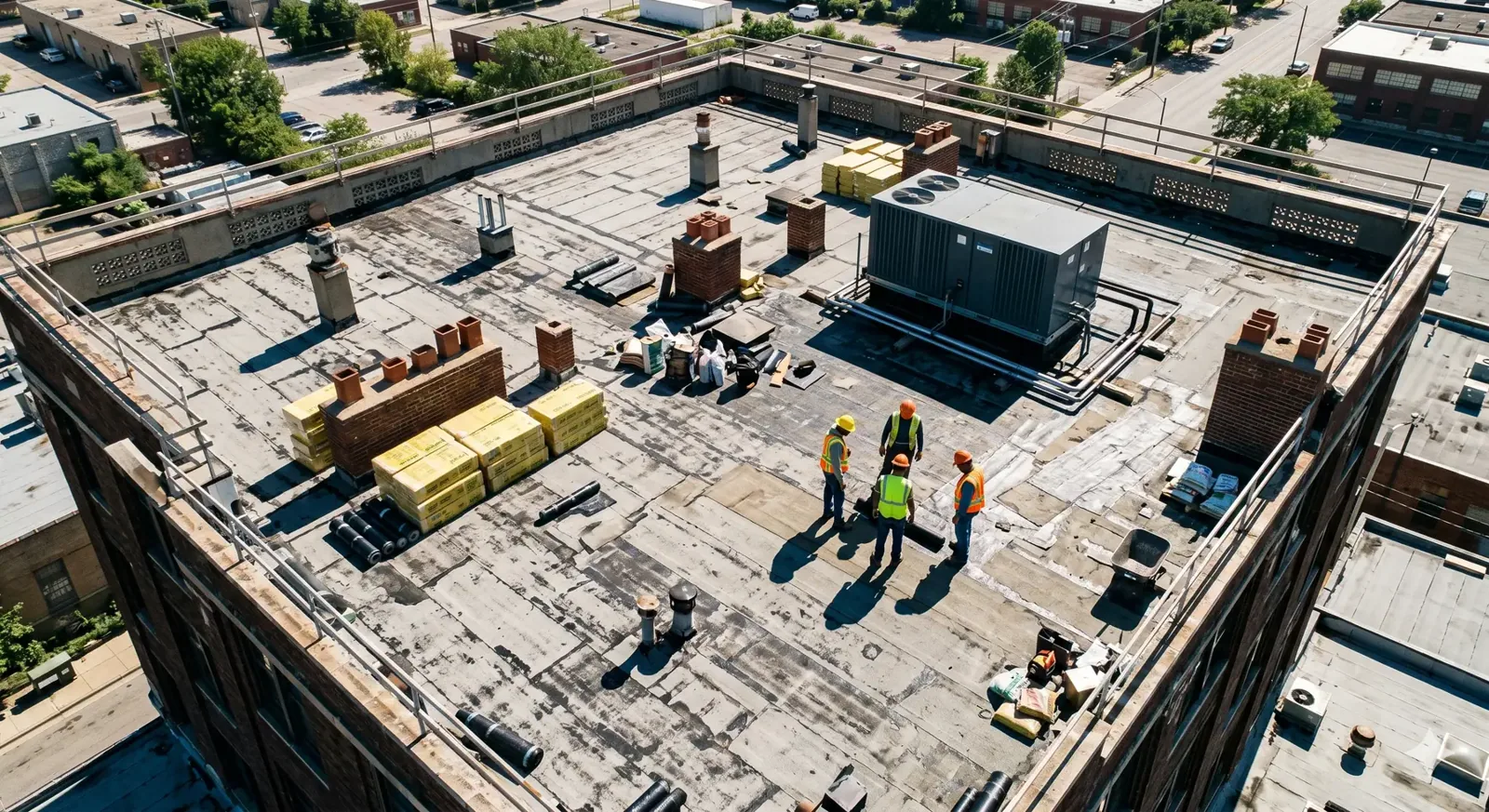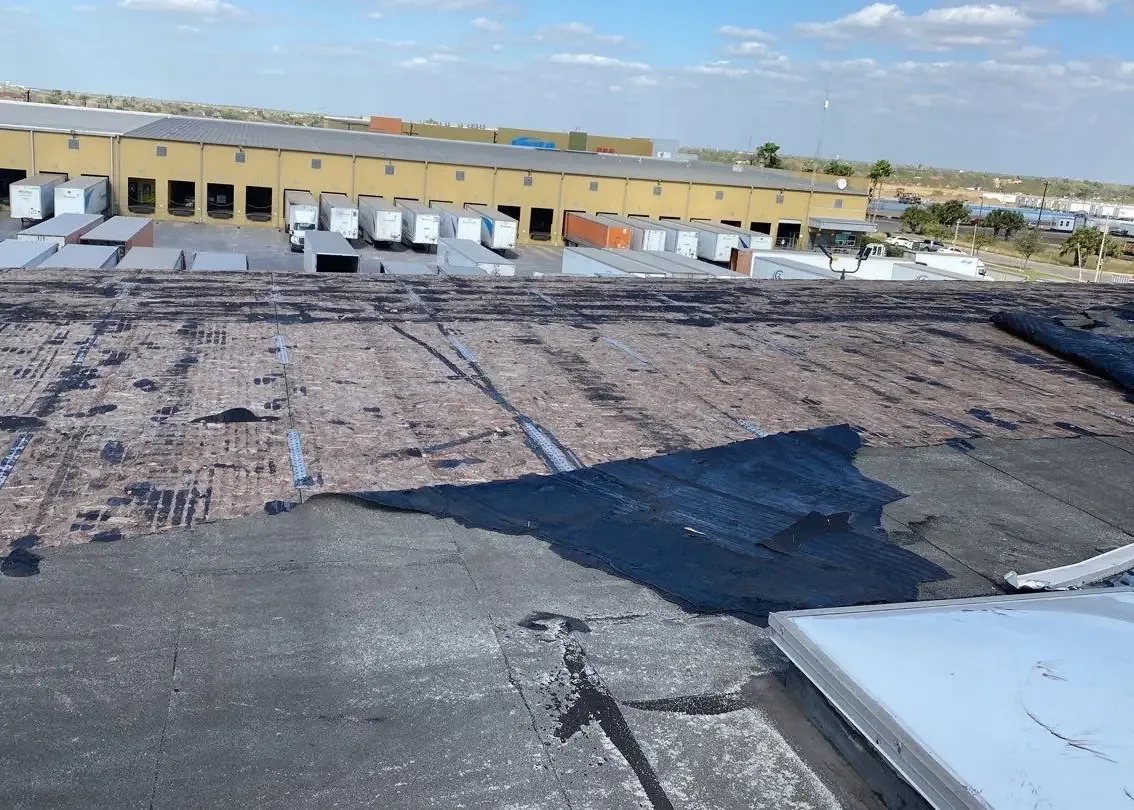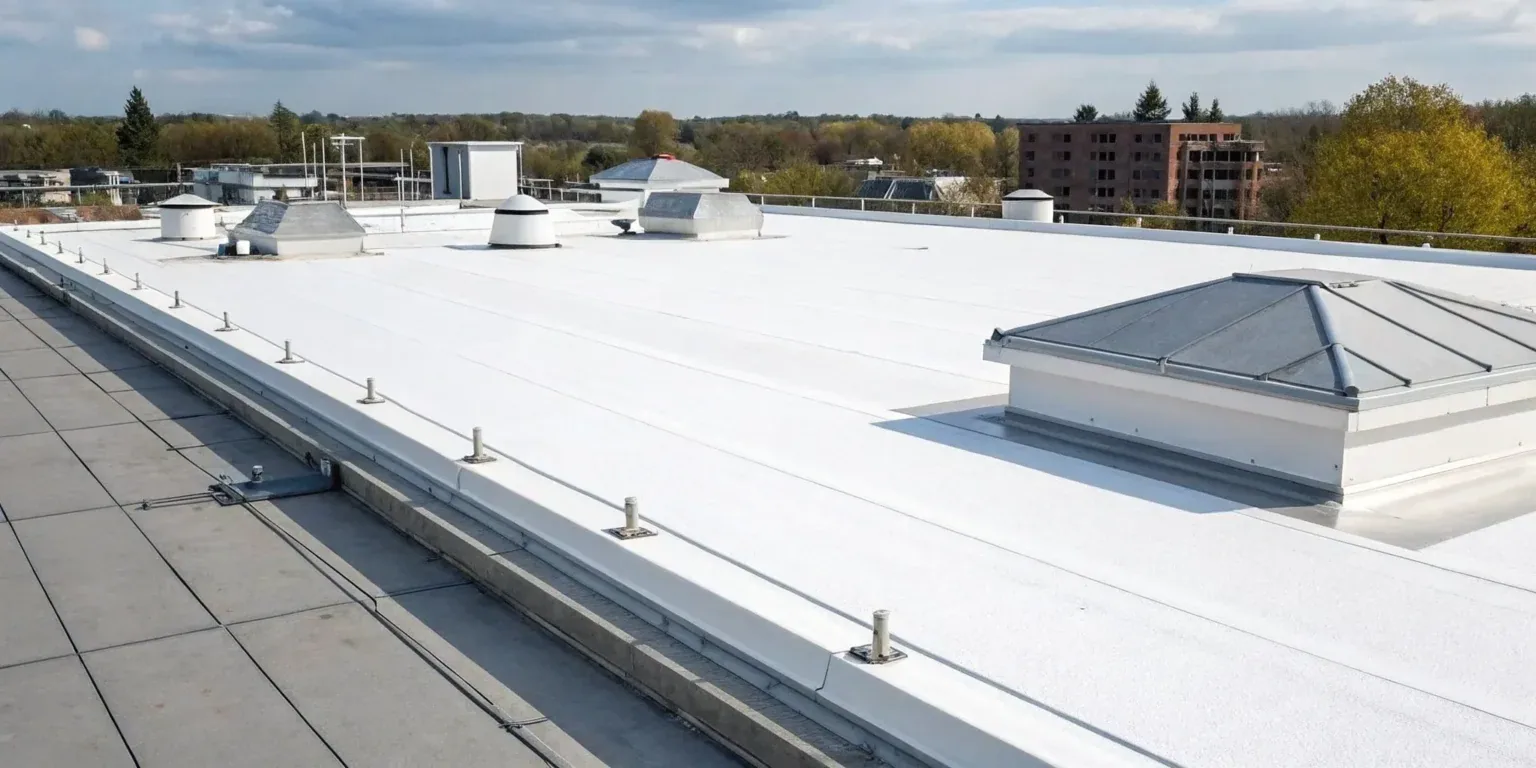
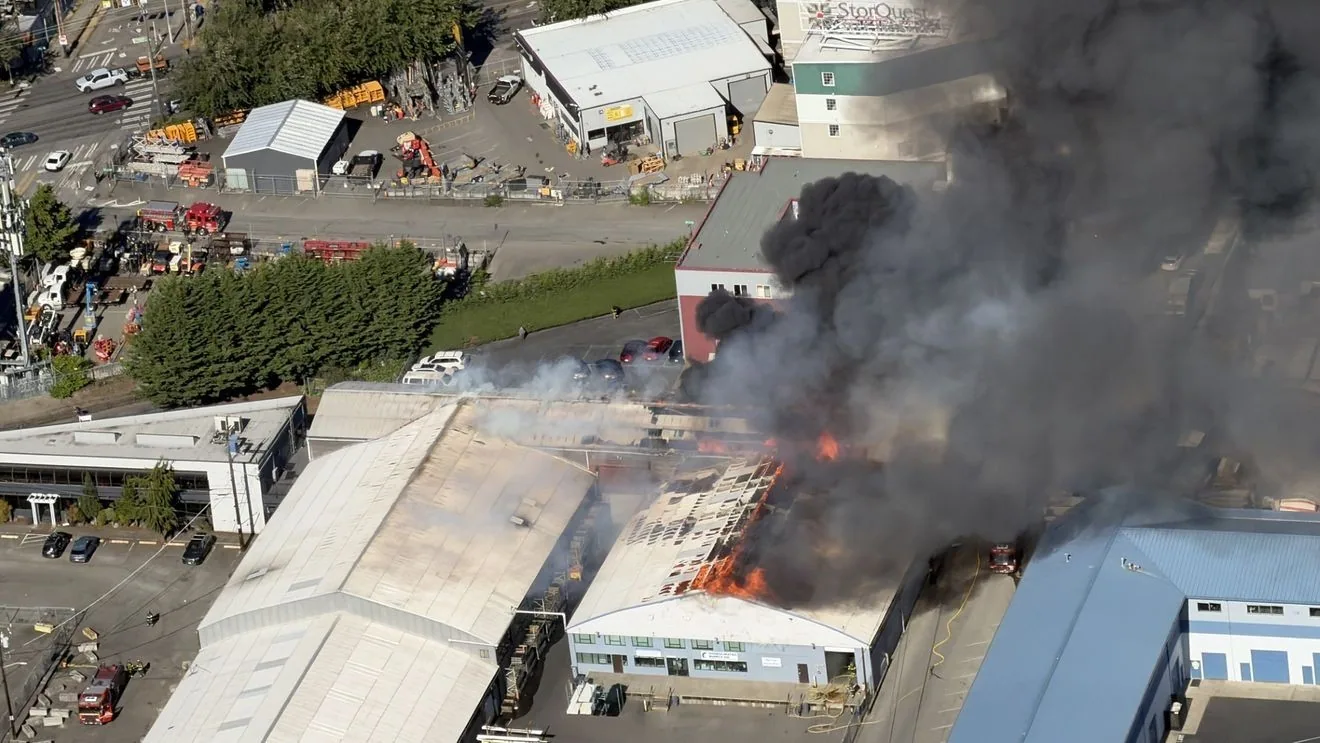
After a fire, the roof may have heat exposure, smoke residue, damaged membrane or water from suppression. Each condition needs to be inspected separately before a repair scope is set. For a commercial property in Renton, WA, we start with the incident area, available access and the roof assembly records, then document what is visible and what remains concealed. A darkened surface alone does not establish how far the roof was affected.
Wait for the property contact to confirm that roof access is released and safe. Share the event timeline, fire department access notes, interior photographs and any existing roof plans. A commercial roof inspection can document the approved areas and the limits of the review without assuming that all roof sections have the same condition.
Incident area: separate heat, smoke and water effects
Mark the known fire area and compare it with the roof plan, equipment locations and any observations from the incident response. Heat can affect membrane, flashing, insulation and deck differently, while smoke residue may be present beyond the visible burn area. Water used to suppress the fire can travel to drains or low points and produce interior moisture away from the initial event. The inspection record should show the locations reviewed and distinguish direct observation from information supplied by others.
Do not remove charred or damaged material until the property owner has documented it and authorized the next step. If immediate protection is required, coordinate a temporary measure that keeps the area safe and notes the materials used. A wind-damage roof review is relevant only if a separate storm condition is present; it should not be folded into the fire scope without evidence of both events.
Record damaged rooftop equipment and penetrations because they may require coordination with a qualified equipment contractor. Note any visible warping, blistering, separation, exposed reinforcement or loss of attachment, but do not treat a surface appearance as a structural assessment.
Suppression water: trace entry and drainage after the event
Ask where water was observed during suppression and where it appeared inside after the response. On the roof, inspect drains, scuppers, seams, curbs and nearby low areas, then compare those points with the interior report. Water may have entered through an opening or traveled within the assembly. A moisture map or test may be needed before the repair boundary can be established. Keep fire-related water observations separate from an older leak history.
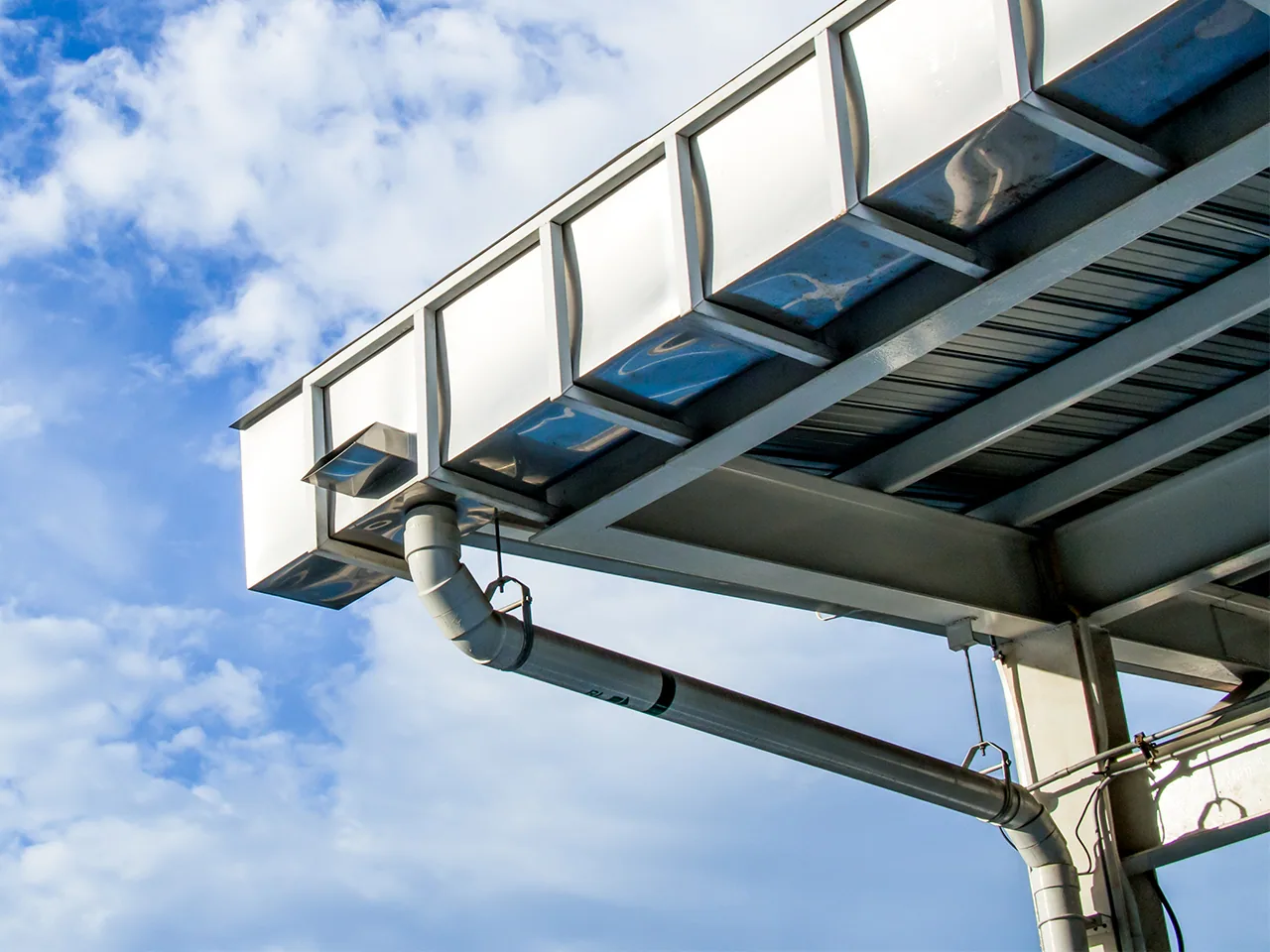
In Sea-Tac's 1991-2020 normals, November brings 6.31 inches and December 5.72, with July at 0.60, which can guide later drainage checks once the fire area is dry, while the event record and roof conditions determine the immediate scope. A roof drain and scupper review can assess whether suppression water or later rain is collecting at an outlet.
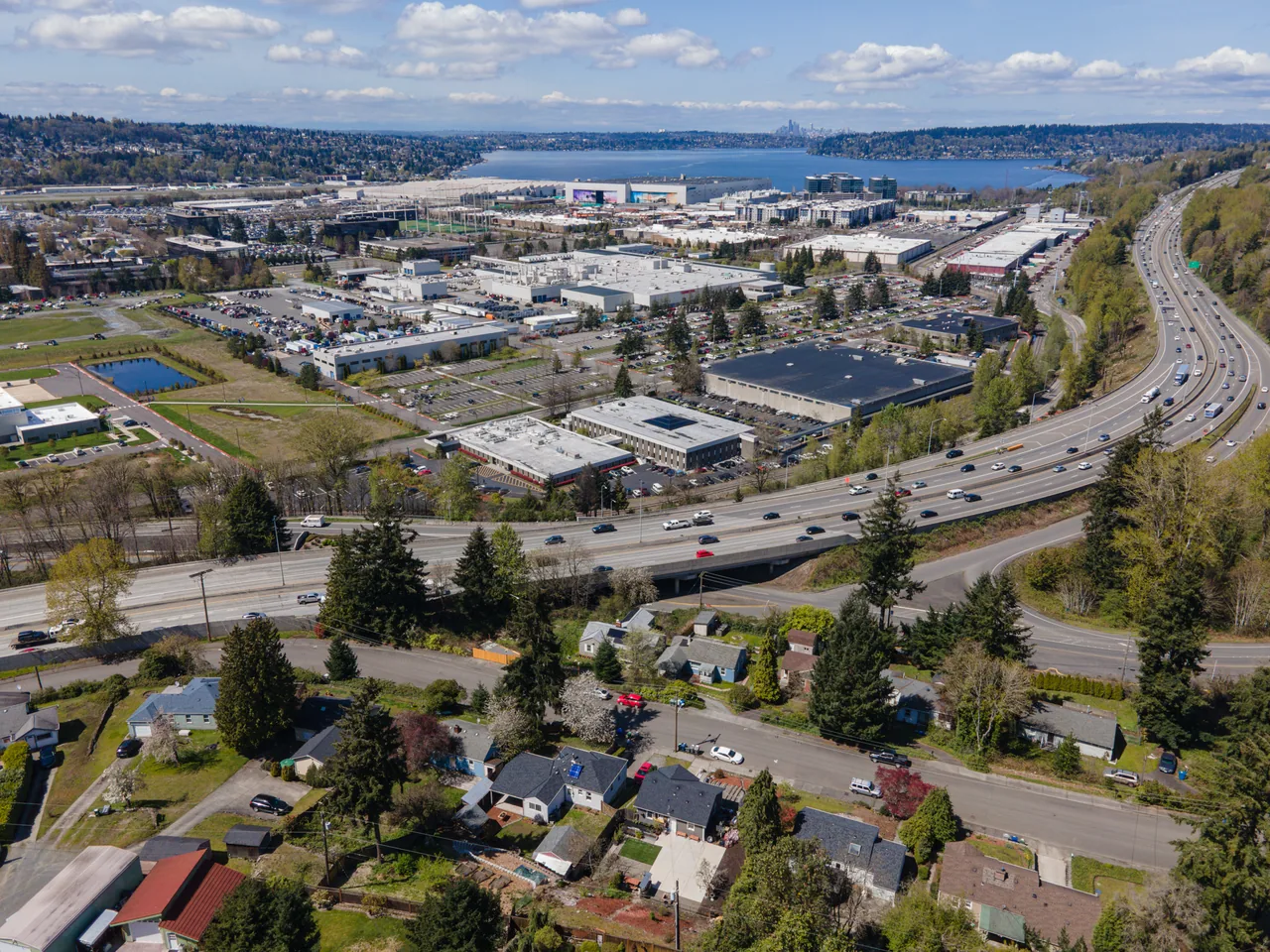
At a property in the Renton Valley Subarea with receiving operations, identify routes for fire equipment, deliveries and roof access before staging inspection materials, and coordinate restoration work. Incident notes and field findings remain specific to the building.
Assembly review: inspect each layer and roof transition
Identify the membrane type, insulation layers, cover board, deck and any prior recover system from records where possible. Fire exposure can affect a top surface without showing whether the layer beneath has retained attachment or strength. If concealed damage is suspected, define a test opening, location, approval and restoration method before disturbing the assembly. Record what the test can establish and what additional evaluation would require another trade.
Check perimeter metal, wall flashing, expansion joints, roof openings and equipment curbs around the incident area. A separate open edge should be documented as an edge detail, and a hole or impact mark should be marked independently. If a puncture is found, a membrane puncture repair assessment can define that opening apart from heat-related damage. On a metal roof, panel attachment and thermal movement matter, and a standing-seam metal roof is checked at its clips and laps on site.
Heat can distort metal decking and loosen fasteners without leaving an obvious scorch, so the deck is checked from below where access allows, for sag, discoloration or fastener pull-out, before any new insulation or membrane is ordered. If the underside cannot be reached, the scope names that limit and carries the deck repair as an allowance.
Smoke residue or fire suppression chemicals may require a cleaning specification compatible with the roofing product. Check the manufacturer's guidance before testing cleaners or coatings. Describe any contamination, test area and disposal plan in the scope so that cleaning does not become an undocumented assumption.
Access release: coordinate with the facility contact
Fire response can leave restricted zones, temporary barriers or equipment that make routine roof access inappropriate. Confirm with the building contact that access has been released and identify the approved route, escort, roof hatch and areas to avoid. Coordinate with restoration and mechanical contractors if their work is underway. Keep the inspection within authorized areas and record any blocked route or equipment that prevented a complete view.
For a Downtown Renton roof visit, the property contact's release and site-specific safety instructions come first. Preserve incident photographs, access notes and the approved roof plan in the work record so later repair decisions can be traced to the information available at inspection.
Repair scope: state what can proceed and what needs testing
A repair scope should separate temporary weather protection, cleaning, testing and permanent roof work. For each roof area, identify the observed condition, proposed treatment, material compatibility and any concealed issue that remains unresolved. If testing confirms wet insulation, describe how that section will be removed and replaced. If the evidence supports a local membrane repair, state its dimensions, preparation and attachment method. Avoid describing unseen layers as sound or damaged before they have been evaluated.
After work, include dated photographs, locations, materials and any follow-up review. If an emergency patch is installed before permanent work, label it as temporary and explain what inspection is still required. Where the event also left a puncture, the membrane puncture repair assessment can identify the opening as a separate line. For a roof seam that has released, the roof seam failure repair review can scope that condition independently.
Send the incident date, address, roof plan, access release, leak reports and prior roof records. We will inspect the approved sections, document limits and outline the repair or testing steps supported by the findings.
Commercial Roofing Questions
Can a roof look intact after a fire and still need testing?
Yes. Visible surface condition does not always show the state of insulation, attachment or deck. The inspection records accessible evidence and identifies whether a defined test opening or another trade evaluation is needed.
When can a roofer inspect after a fire?
Only after the property contact confirms that roof access is released and safe. Restricted areas, restoration work and incident controls must be coordinated before anyone enters the roof area.
Does fire suppression water require a separate roof inspection?
It should be documented with the event record. The crew checks reported entry points, drains, low areas and interior locations, then identifies whether moisture testing is needed to define the affected layers.
Can damaged roof insulation be replaced without changing the full roof?
That depends on the extent of damage, assembly condition and how the roof layers connect. A test or limited opening can help define the repair area before a broader option is considered.
What records should a Renton property manager keep?
Keep the incident timeline, access release, roof plan, photographs, suppression-water observations, prior repairs and the inspection closeout together. These records help compare the repair scope with what was observed.