A damp line at a hangar door can start at a roof seam well above the opening. We map the report, follow the roof slope and inspect the eave, membrane laps, penetrations and drain route that could lead water toward the door. Sea-Tac records far more rain in November and December than in July, a regional cue to check drainage and temporary cover before late-year work. The roof walk establishes the conditions on the actual building.
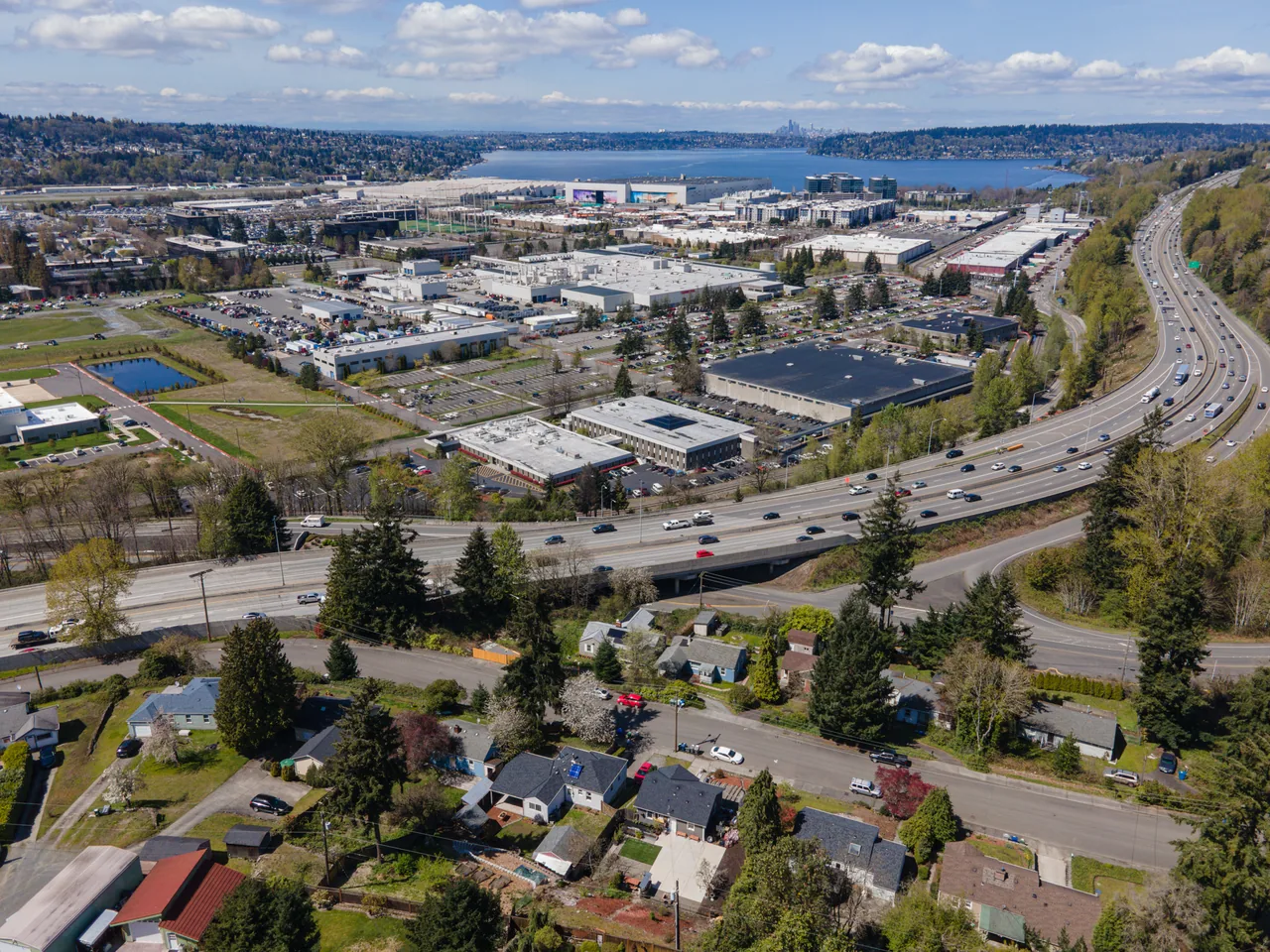
Renton's advanced-manufacturing and logistics economy includes aerospace supply-chain work, and the industrial Renton Valley Subarea and Downtown Renton each bring different street access to a hangar roof. We confirm the property address, access process and assembly before setting the inspection sequence.
Span and access: map the roof before staging work
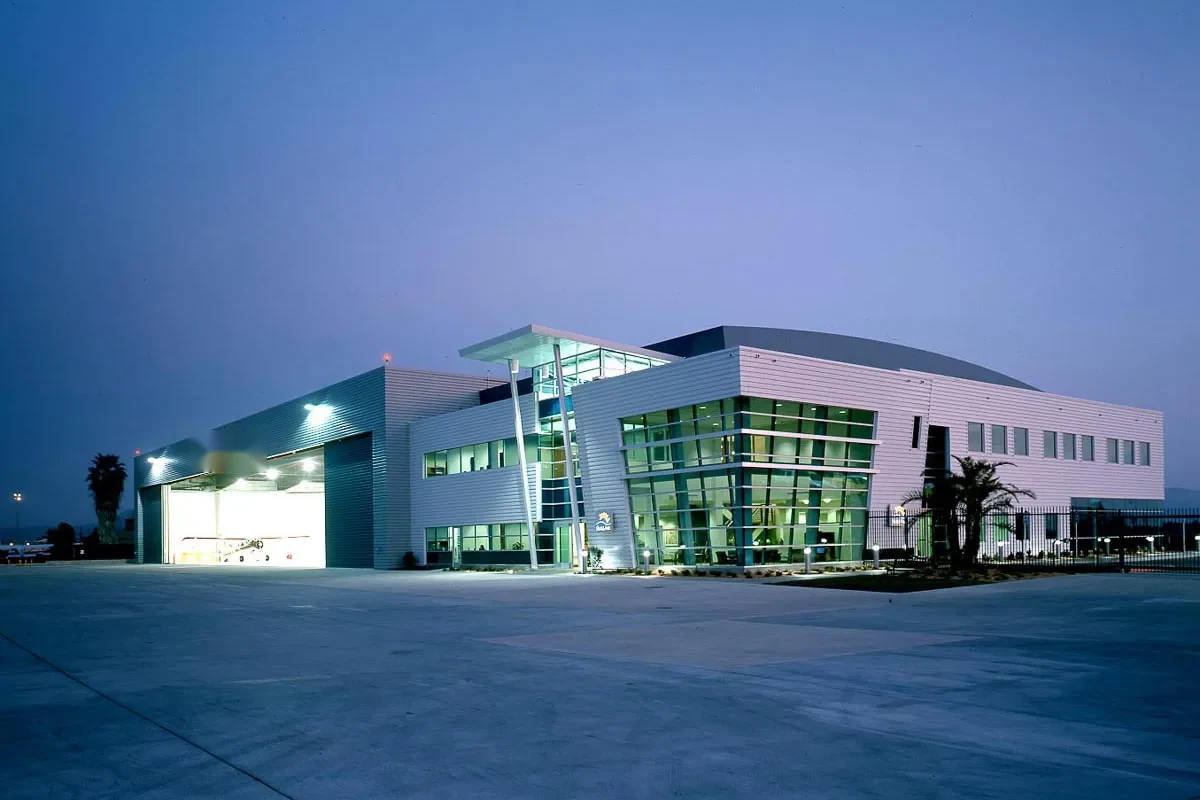
A clear interior span can leave long roof runs with few interior obstructions, but the outside edge, purlins, skylights and equipment openings still shape the inspection. We note where a roof route can be reached, how a lift or fall-protection setup may be needed and whether the work boundary crosses a door used by aircraft or service vehicles. The property contact identifies the access window and any area that must stay clear.
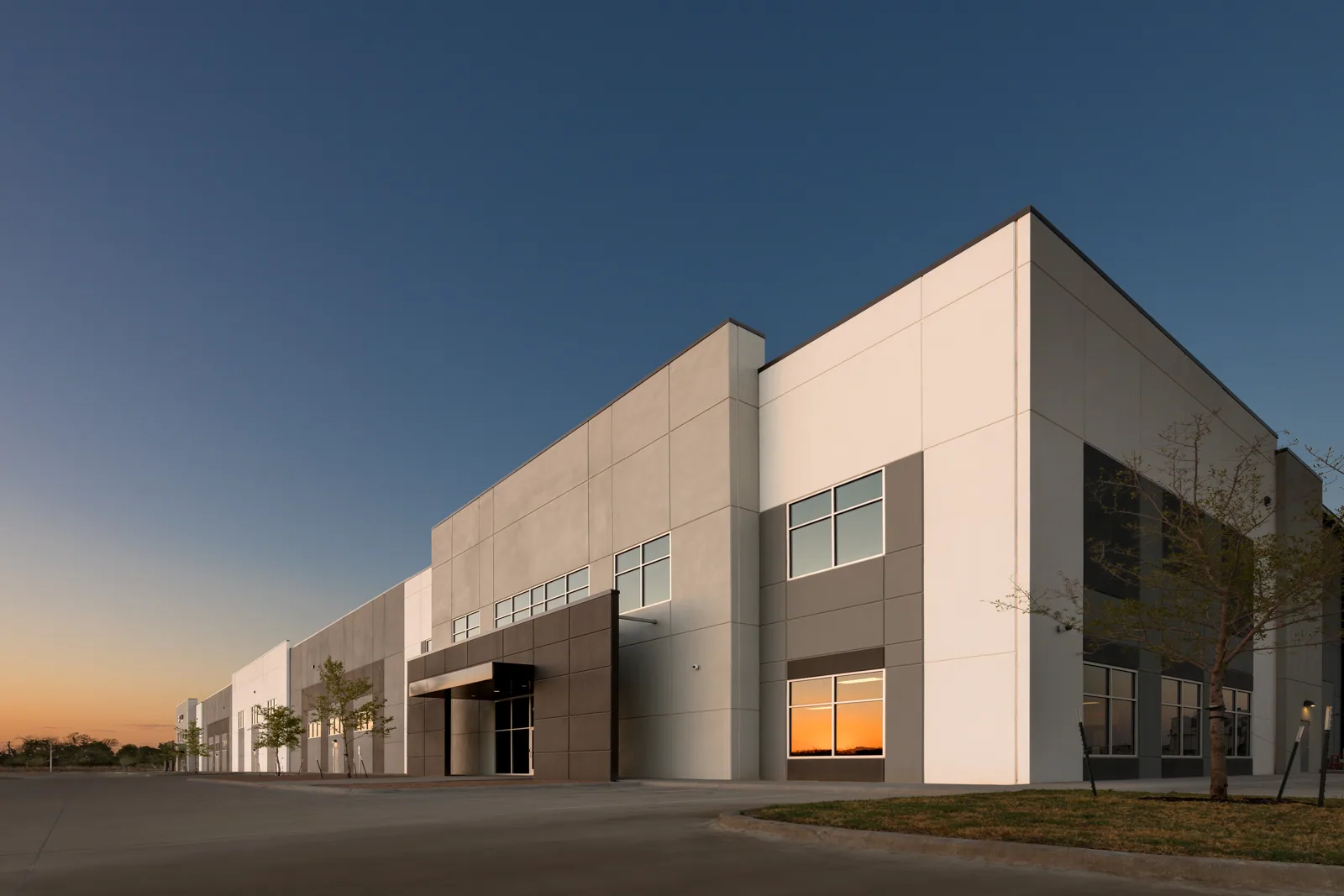
A flex industrial roof review can consider mixed shop and office areas; a warehouse roof assessment can focus on a broad storage field. Hangar work adds its own door clearance, equipment and operating constraints. We list the roof areas included and identify any inspection point that requires a separate escort, lift or safe access plan.
Before materials arrive, we agree on staging, vehicle movement and the route from the access point to the work area. If a large opening must stay usable, the proposal should show the phase boundary and the step that needs temporary separation. We keep that operational sequence distinct from the roof diagnosis so ownership can adjust the work window without changing the observed repair condition.
Rain path: check the eave, drain and exposed edge
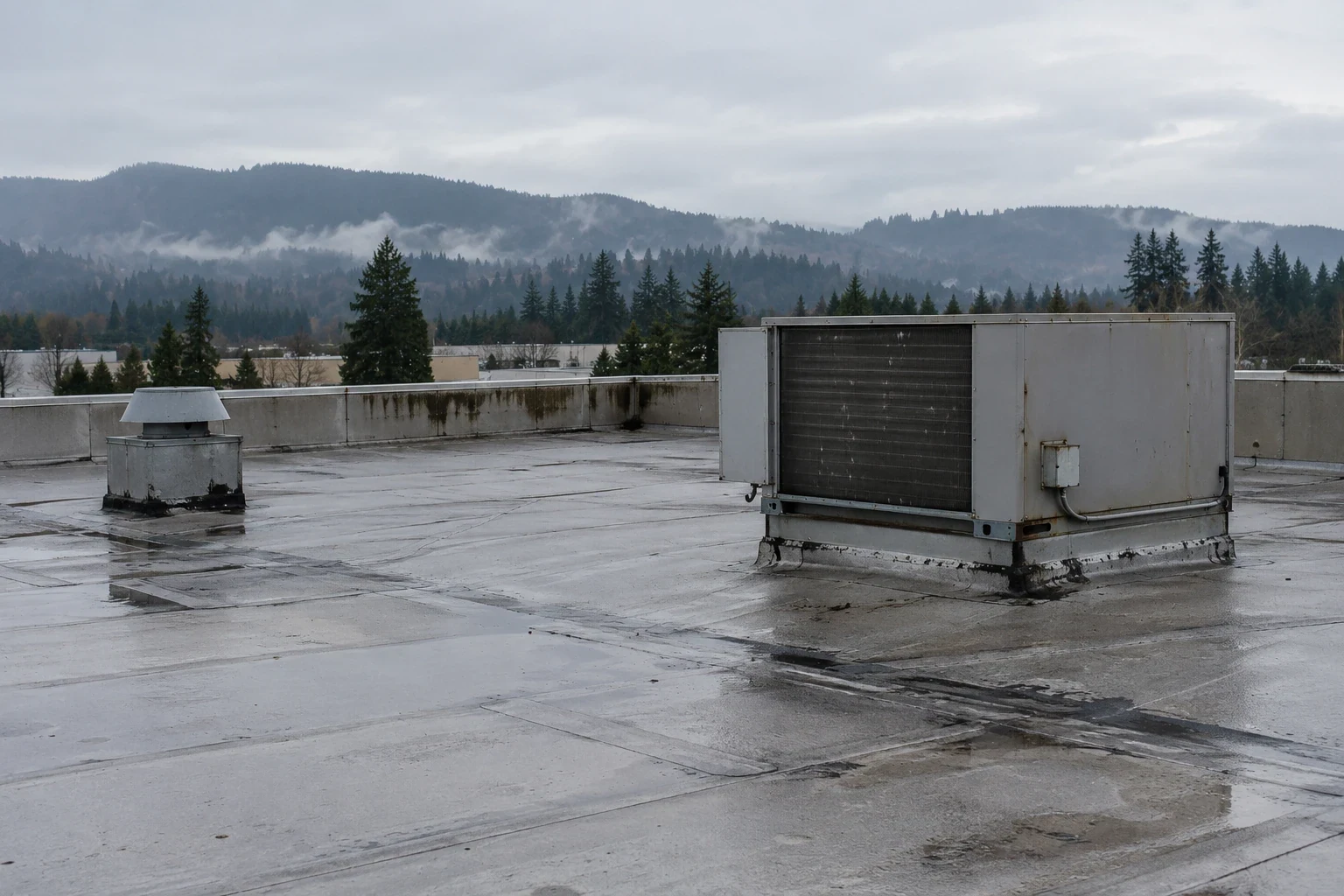
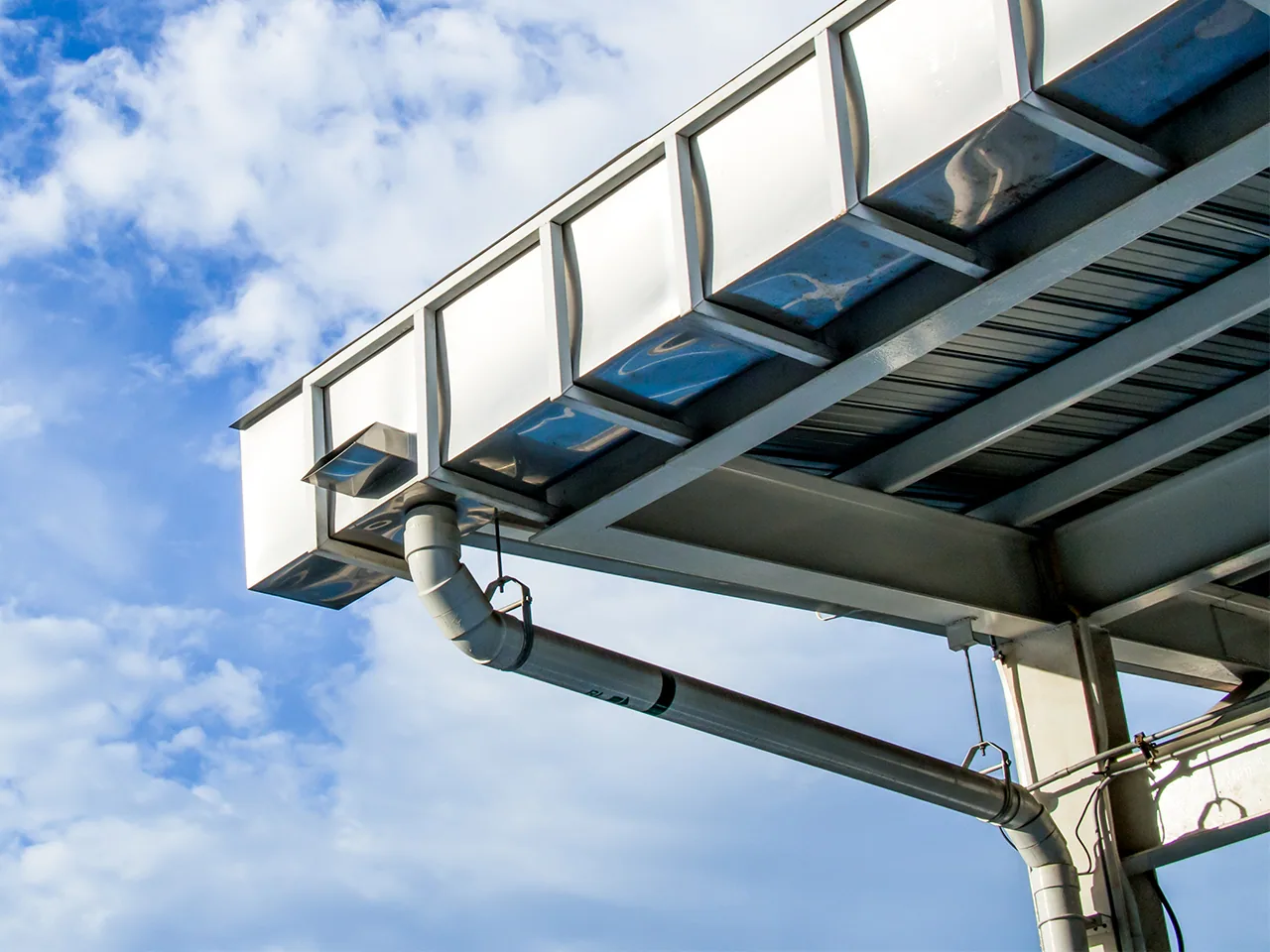
Rain entering at an eave can travel along a roof joint before it appears inside. We inspect perimeter trim, panel laps, sealant joints, gutters and downspouts, then compare those details with the reported water location. If the roof has internal drains, we follow the low route to the bowl and check whether debris or a damaged connection slows discharge. Drain and scupper work can address the outlet and membrane around it in one defined scope.
At Sea-Tac, the normal November and December precipitation totals are 6.31 and 5.72 inches, compared with 0.60 in July. That regional seasonal shift makes a pre-wet-season review useful where a hangar roof has long eaves or a large door opening. We mark any area that ponds, any seam that has moved and any outlet that remains slow after cleaning. The site contact can use those notes to set priorities before another wet period.
If work opens a metal or membrane edge, the crew needs a daily stopping point that protects the exposed area if rain interrupts the sequence. We identify temporary cover, remaining drainage paths and the check required before the next phase. Where an aircraft or vehicle door must remain available, the closeout point should also keep the approved access boundary understandable to operations staff.
Roof details: inspect seams, curbs and perimeter metal
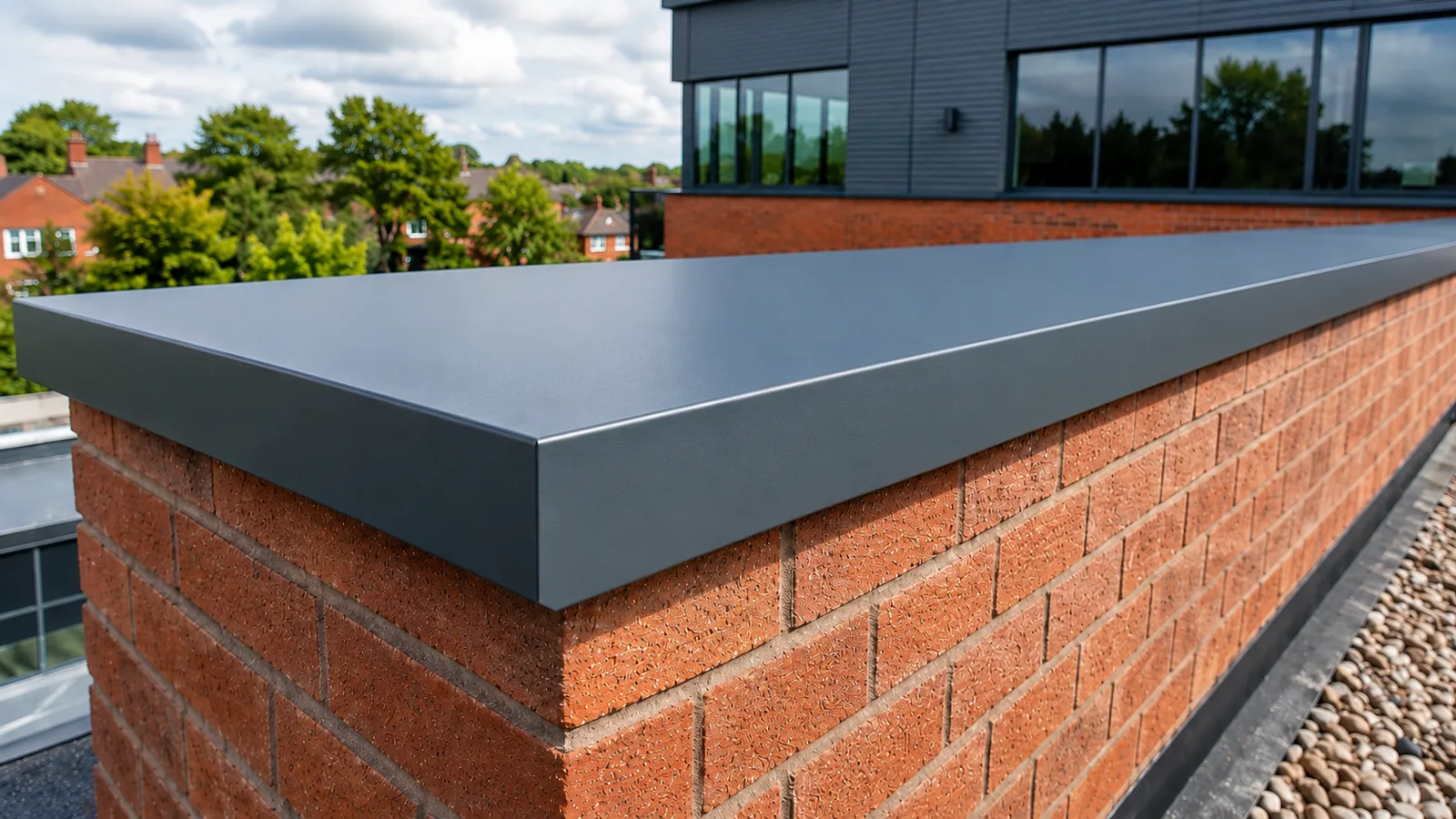
Long panel seams, fastener lines, skylights, exhausts and equipment curbs deserve individual inspection. We check for loose fasteners, separated laps, cracked sealant, lifted flashing and metal corners that no longer direct water toward the intended outlet. Edge-metal repair can address a defined eave or perimeter condition, while penetration flashing work can resolve a curb or opening. The roof record should locate the defect and note its tie-in.
Metal panels expand and contract with temperature, so a repair must allow the assembly's intended movement rather than lock a joint in place. We inspect the fastener pattern, panel end laps, sealant and transition details before recommending a patch or replacement section. If the roof includes a low-slope membrane area beside metal, we evaluate the change in material and height as its own water path.
Equipment and roof geometry can limit visibility at certain edges. We note the sections reached and any area that needs a separate lift or access arrangement. A moisture test or small opening may be appropriate when concealed insulation or deck condition could change the repair-versus-replacement decision. We explain the proposed location and what question it answers before asking for approval.
Scope choice: separate a seam repair from a system change
A loose fastener or isolated seam opening may support a local repair when adjacent panels remain sound. A commercial roof repair should define how far work extends and what preparation the tie-in needs. Repeated leaks, widespread corrosion or deteriorated attachment can call for a broader comparison. We identify visible damage, concealed questions and any test that might change the scope rather than treating the full roof as one condition.
If the existing metal assembly can remain in service, a metal roof retrofit may be compared with panel replacement after attachment, drainage and perimeter heights are understood. Where the current system cannot support a reliable repair, a replacement scope can list removal, substrate work, insulation, panels, flashing and drainage separately. The current roof and operating schedule determine what sequence is practical.
Waiting on an active opening can allow water to reach insulation or interior equipment. Replacing sound panels also adds cost and disruption without improving the affected detail. We keep immediate protection, localized repair and a capital replacement comparison as separate decisions, each tied to the area inspected and the evidence gathered.
Closeout: document the repaired roof route
At completion, map repaired seams, panels, drains, penetrations and the edge metal touched. Tie photographs to roof locations and note the material installed, the work boundary, access limits and any follow-up item. A roof condition report can keep those observations in a format facilities staff can use during later maintenance. The record should distinguish completed work from an area that still needs investigation.
We keep the file specific to the property: roof plan, door and service routes, equipment clearances, water reports and prior repair notes. That gives the manager a practical starting point for the next roof walk.
Send the Renton address, roof plan, photos of the reported water and the access constraints. We will trace the likely route, identify the roof details to inspect and outline whether a repair, test or broader scope fits what can be seen. For a multi-building operation, keep each roof's map and work record separate so a later report can be compared with the right assembly.
Commercial Roofing Questions
Can work be scheduled without blocking the hangar door?
The door use, lift location and repair section set the sequence. We review those constraints with the property contact and show which phase can proceed beside normal movement and which needs a short access window.
How do you trace a leak at the bottom of a large roof?
We compare the interior location with roof slope, seams, eaves, penetrations and drainage. Water may travel before it reaches the door or wall, so the report records the likely route and any test needed to confirm it.
What should be checked on a metal hangar roof?
Panel laps, fasteners, sealant, eaves, curbs, skylight transitions and drainage deserve a roof walk. We record each defect separately so a loose fastener is not treated as proof that the full field needs replacement.
When should an owner consider a retrofit or replacement?
Attachment, corrosion, panel movement, moisture, edge height and repeated repair history guide that comparison. We identify what is visible and whether a test opening could change the choice before preparing the broader scope.
What information helps plan the inspection?
A roof plan, water locations, door schedule, equipment list, access procedure and prior repair notes help us select a safe route. Tell us which movement or service area must remain available.