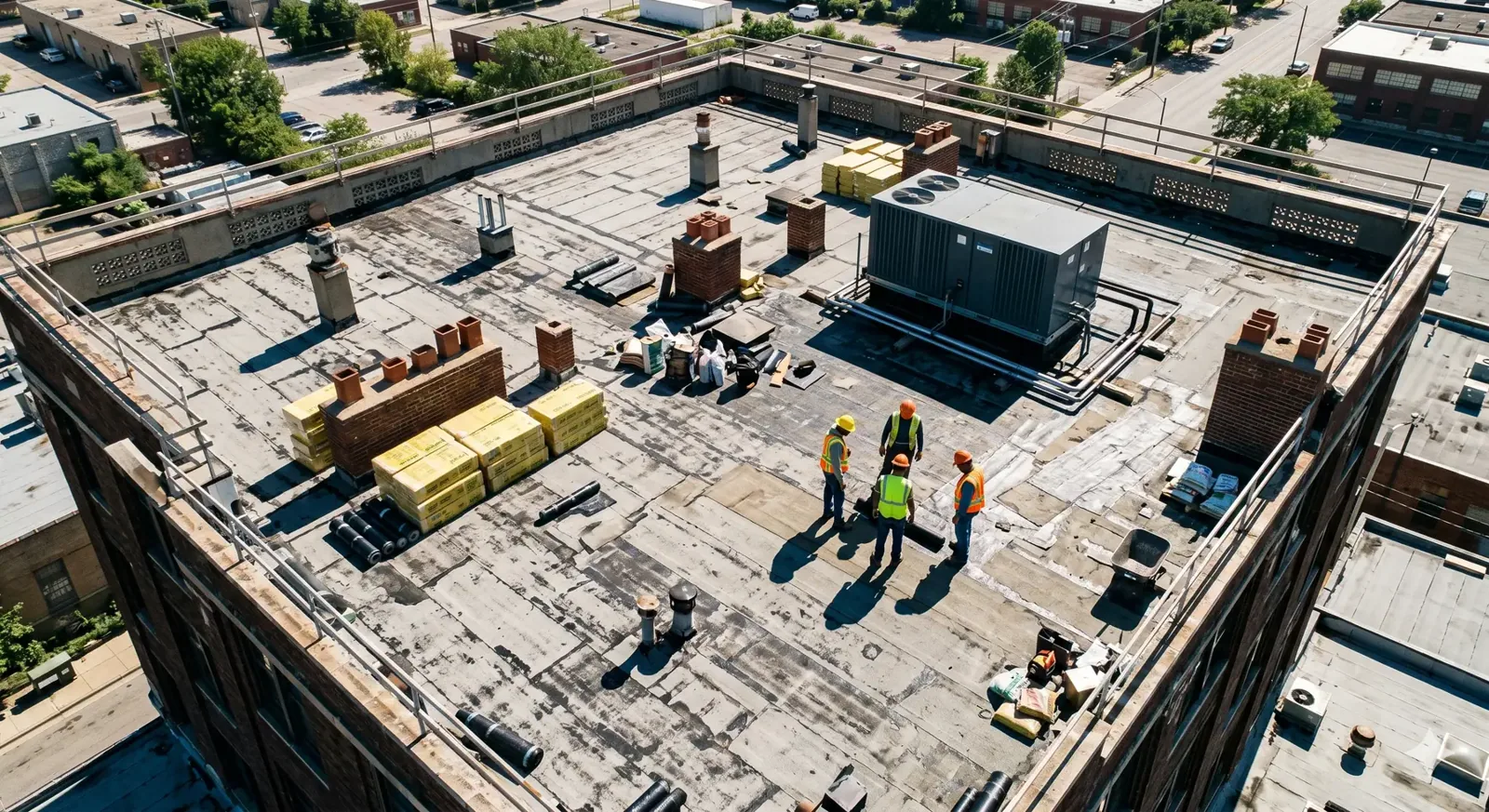
Before dawn, grocery receiving starts while the roof is still carrying the previous day's weather. At a Renton, WA store, a leak report above a cooler, produce case or loading lane needs a roof-side check that respects food operations and delivery access. Water location is a useful clue, but it does not identify the entry point by itself. We match the reported room to drains, curbs, seams and repair history, then mark what was actually inspected.
The first visit should answer practical questions: which roof areas are safe to reach, what is active below, and which conditions need a test before repair is priced? We coordinate the walk with the store contact, keep carts and receiving routes in view, and record blocked or restricted areas instead of implying they were checked. A commercial roof inspection can establish that baseline without treating a brief water mark as a full diagnosis.
Drain route: follow the low points to the outlet
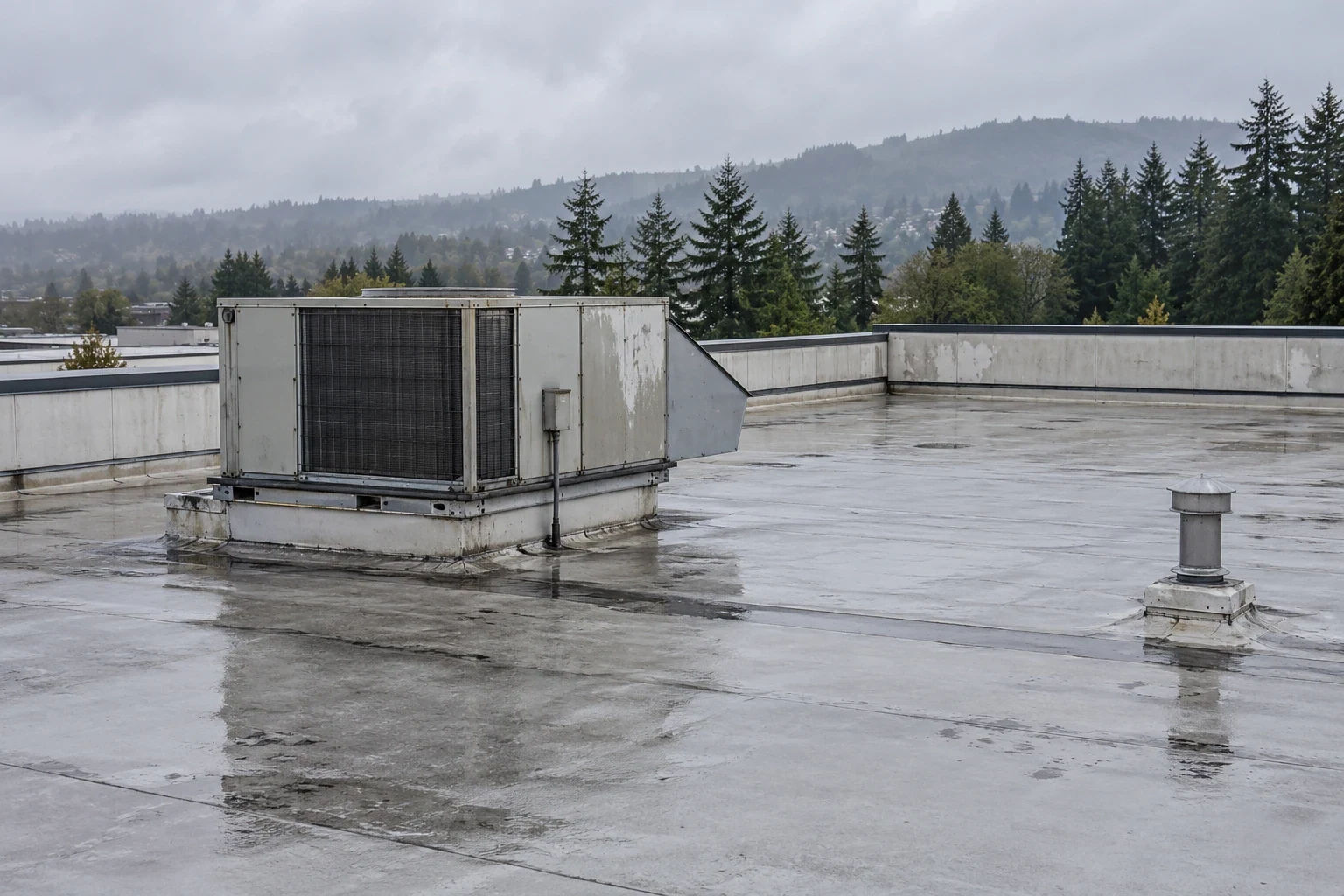
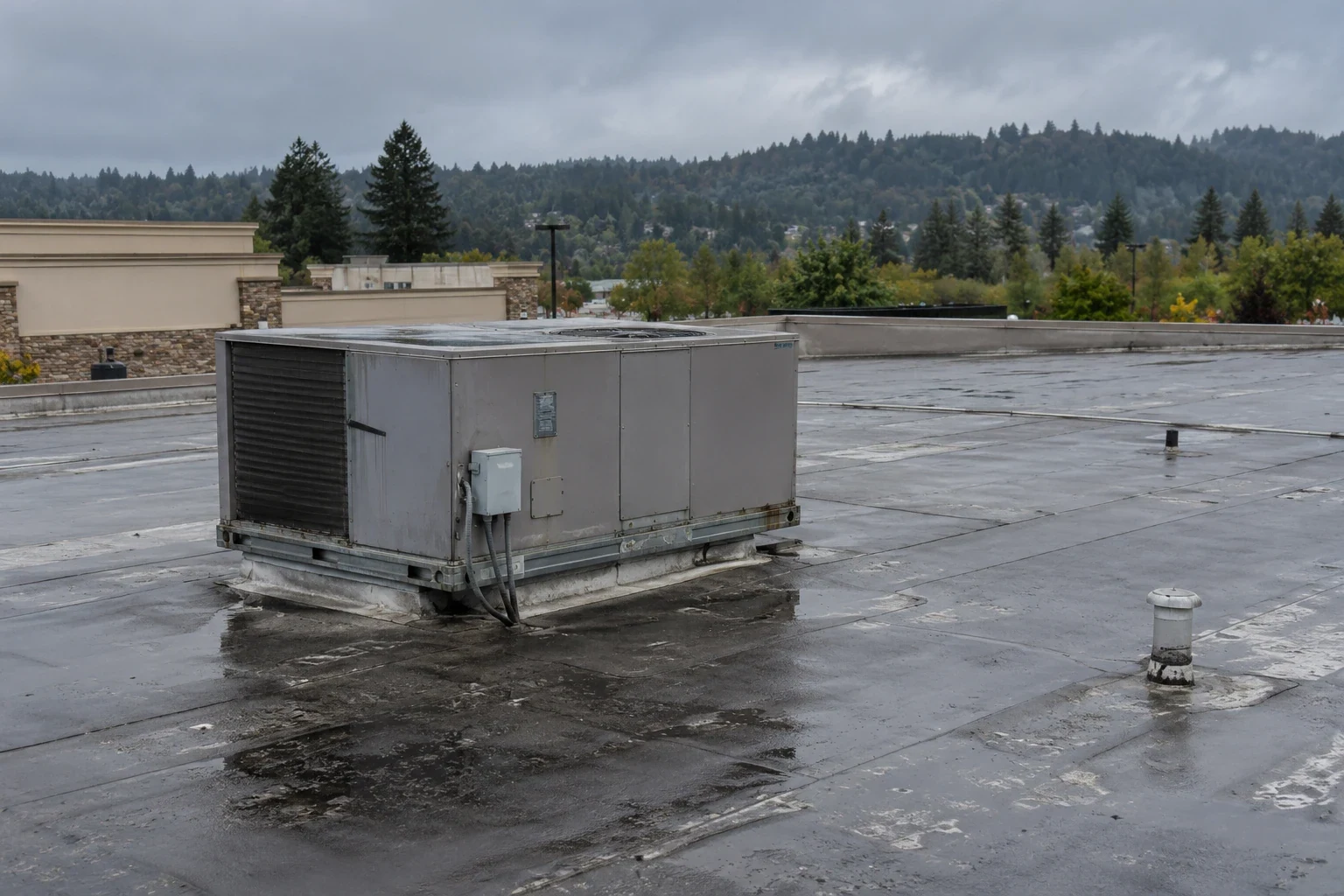
A grocery roof may carry several elevations, screens, refrigeration lines and past patch layers. Rain follows the actual slope, not the floor plan, so we trace the route from the reported area toward drains, scuppers and overflow openings. We look for a clogged strainer, loose ring, open lap, split flashing or low section that retains water. Each observation is tied to a roof zone and photograph so a facilities lead can compare it with an earlier service ticket.
A grocery roof patched in a dry summer meets its first real test when Sea-Tac's normals climb to 6.31 inches in November and 5.72 in December, up from 0.60 in July. The surface, drainage path and leak record determine what should be corrected. A focused drain and scupper review distinguishes an outlet obstruction from a defect farther upslope.
We note standing water, debris at transitions and whether the outlet had a clear path. Temporary measures stay separate from permanent work, with a follow-up check when conditions call for one.
Equipment curbs: check the roof work around refrigeration
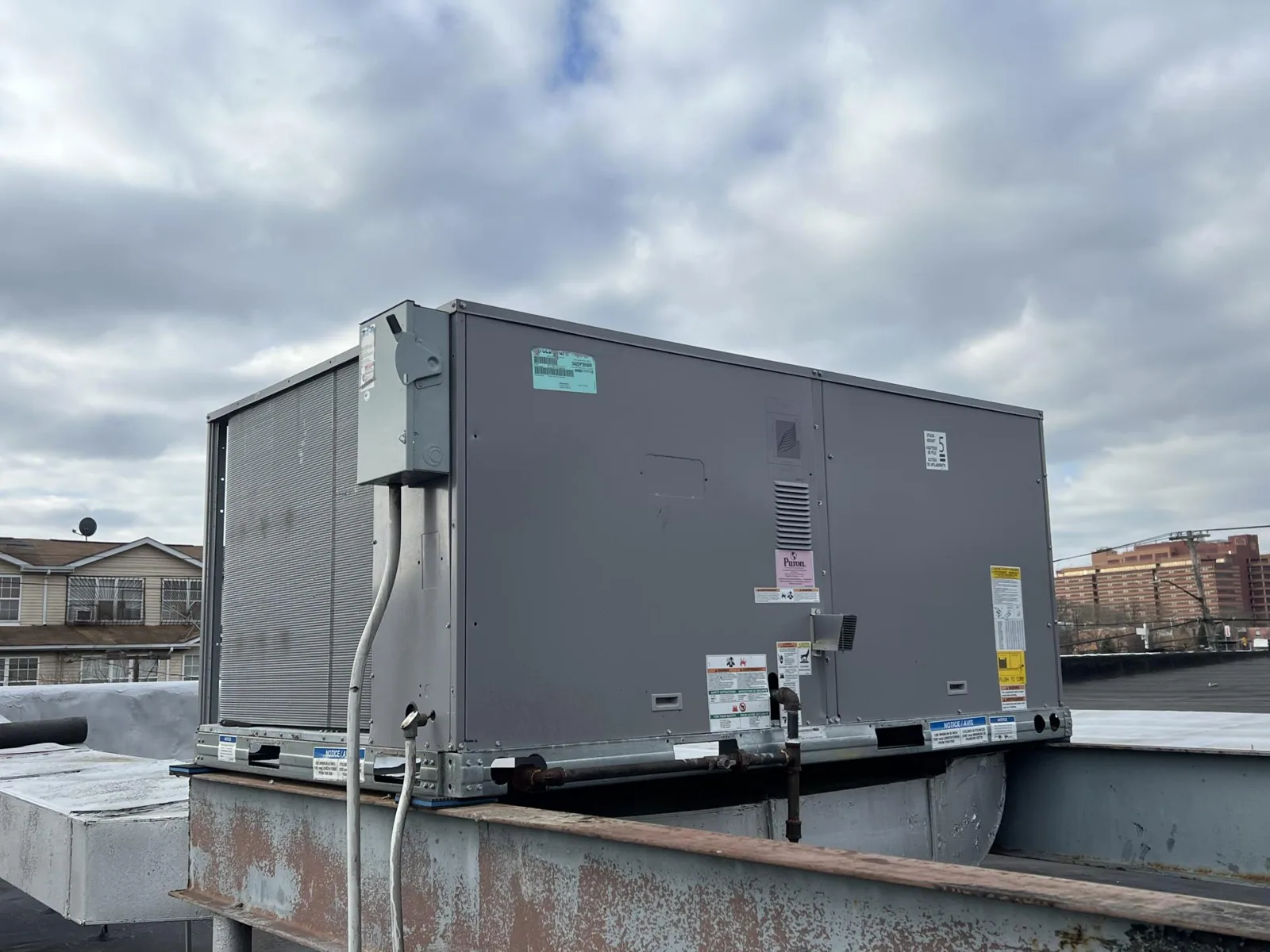
Refrigeration equipment changes both access and the number of roof interruptions. Curbs, pipe supports, electrical stands and service paths can create small areas where water collects or flashing has been disturbed. We inspect the membrane and base flashing at the approved locations, note loose counterflashing or open corners, and keep the equipment service route clear. A roof observation cannot substitute for refrigeration work, and a mechanical call does not establish that the roof opening is watertight.
Repair history matters when a store has recurring moisture near a case or cooler. We compare the date and location of each reported event with roof repairs, equipment service and known access restrictions. The ceiling point may be several feet from the path water took above it, so the report separates the staff's observation from the roof condition we could verify. If the curb or support detail is the likely route, a curb and support review can define the roof-side work for the facilities contact.
At busy sites, sequencing affects receiving and sanitation routines. The field plan identifies ladder access, staging, temporary protection, approval contacts and areas that must remain open before a crew moves equipment or opens a roof section.
Store operations: protect food, staff and receiving routes
A roof walk is easier to schedule when the contact identifies delivery peaks, customer entrances, waste handling and restricted food-preparation zones. We use the approved route, keep tools and materials out of store traffic, and check in before reaching a controlled area. If an interior ceiling or cooler needs protection, the store decides what can be moved and who can isolate the area. The written scope should say what access was available rather than assume the building stayed open in the same way throughout the work.
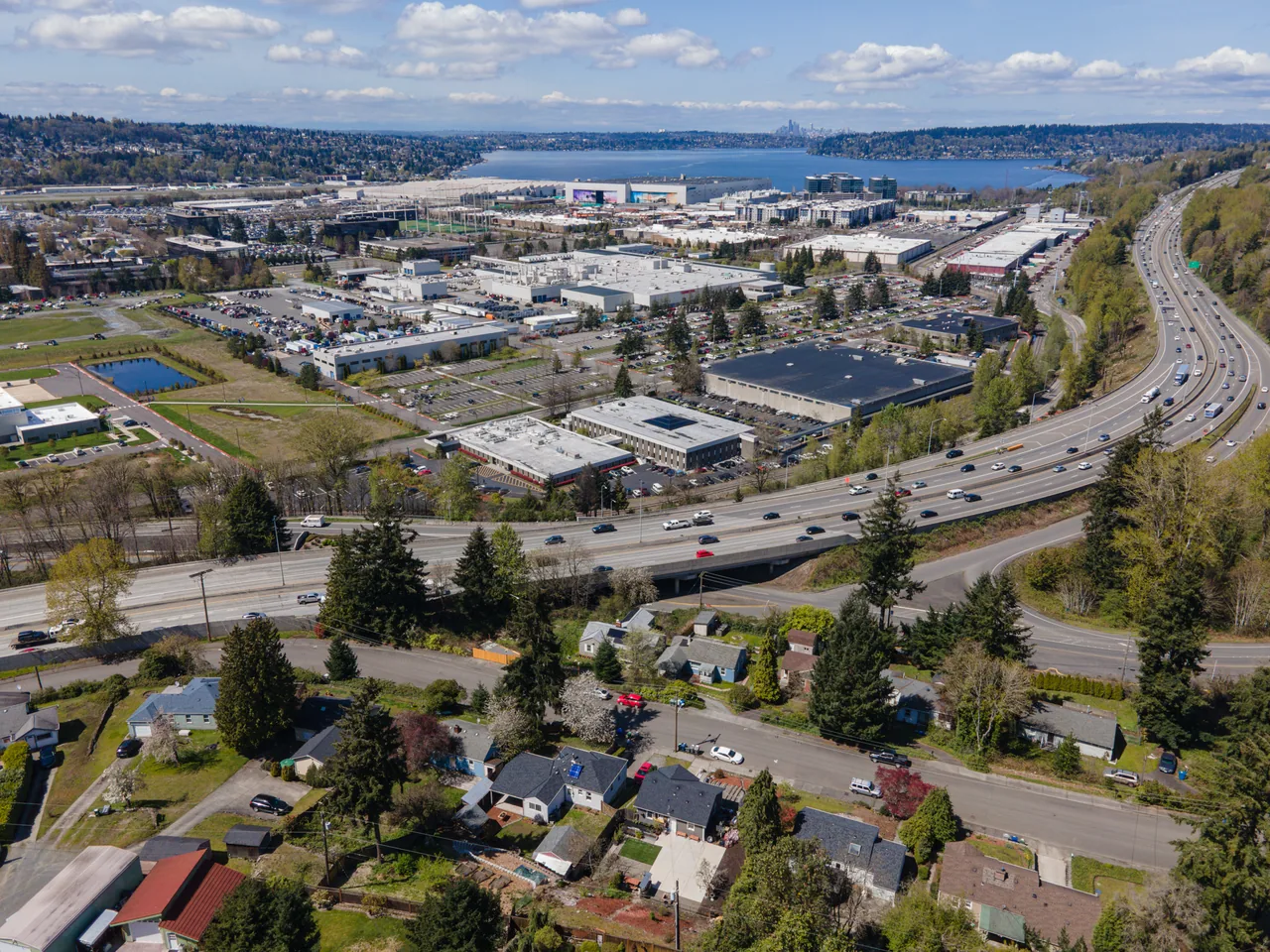
In the Renton Valley Subarea, where industry and warehouses dominate and logistics and light manufacturing have a long history, grocery delivery timing shares service routes with other operations, so we check those at each address. A store in Downtown Renton brings tighter street access, and the store's own plans still govern its access.
Our big-box retail roof review covers related large-footprint access questions, while grocery work adds cooler and food-handling constraints. A school roof inspection follows a different schedule and protection plan. Each repair scope stays with the address and approved areas.
Roof assembly: identify the membrane before comparing repairs
Color alone does not tell us whether a roof is TPO, PVC, EPDM or a coating over another assembly. We review available plans and repair records, then inspect exposed edges or approved test areas where identification is still uncertain. A TPO seam assessment checks the welded sheet and adjacent details; an EPDM seam review looks at the lap and adhesive system. Those are different conditions, and a proposed patch has to match the installed material and the manufacturer's requirements.
At a Downtown Renton grocery, we use the owner's drawings, maintenance files and field observations to establish the roof assembly rather than assuming it from the address. If those records conflict, the report lists the unresolved item and the inspection or test needed to settle it.
Metal edges, skylight transitions and curbs may need attention even when the membrane looks serviceable. A flashing repair assessment documents an open transition and whether nearby sheets, insulation or attachment need review. Check moisture, drainage and existing layers before proposing a coating or recover.
Repair record: leave the store with a usable next step
A useful closeout groups findings by roof zone and urgency. Each item names the observed condition, its location, a supporting photo and the action recommended. We distinguish a temporary measure from a permanent repair and call out any test or return visit needed. When a section could not be reached, that limit remains visible in the report. This helps a facilities manager compare a recurring leak with the work order without treating an assumption as a completed inspection.
A grocery roof repair can be phased by approved work area, with delivery limits and interior protections agreed before work begins. If a storm changes the condition, document the new observation before expanding the scope.
Send the store address, roof plan, leak dates, prior invoices and access rules. We will review the available records, walk the authorized roof sections and explain which repair is supported by the findings. If identification or moisture testing is needed first, that step will be clear before it is added to a permanent-work proposal.
Commercial Roofing Questions
Can a grocery roof inspection happen during store hours?
Usually the roof walk can be scheduled with the facilities contact while the store operates, but access, receiving and restricted areas must be agreed in advance. The report records any section that could not be reached.
What should we send before a recurring cooler leak is checked?
Send the room or case location, dates noticed, roof plan, repair history and any refrigeration-service notes. Those details help us compare the report with curbs, seams and the drainage route without assuming the ceiling mark is the entry point.
Do you inspect refrigeration equipment itself?
We inspect roof-side curbs, supports and flashing that are within the approved scope. A refrigeration technician should diagnose the equipment, and the two findings can be coordinated when both trades need access.
Can repairs be phased around receiving hours?
Yes, after the store contact identifies delivery periods, staging limits and areas that must stay clear. The work plan can separate roof zones and note any temporary protection needed below.
Will a dry-weather visit confirm that the roof no longer leaks?
A dry visit can document visible conditions and completed repairs, but it cannot prove performance under every rain event. We identify what was observed and recommend a follow-up when the repair or weather conditions call for one.