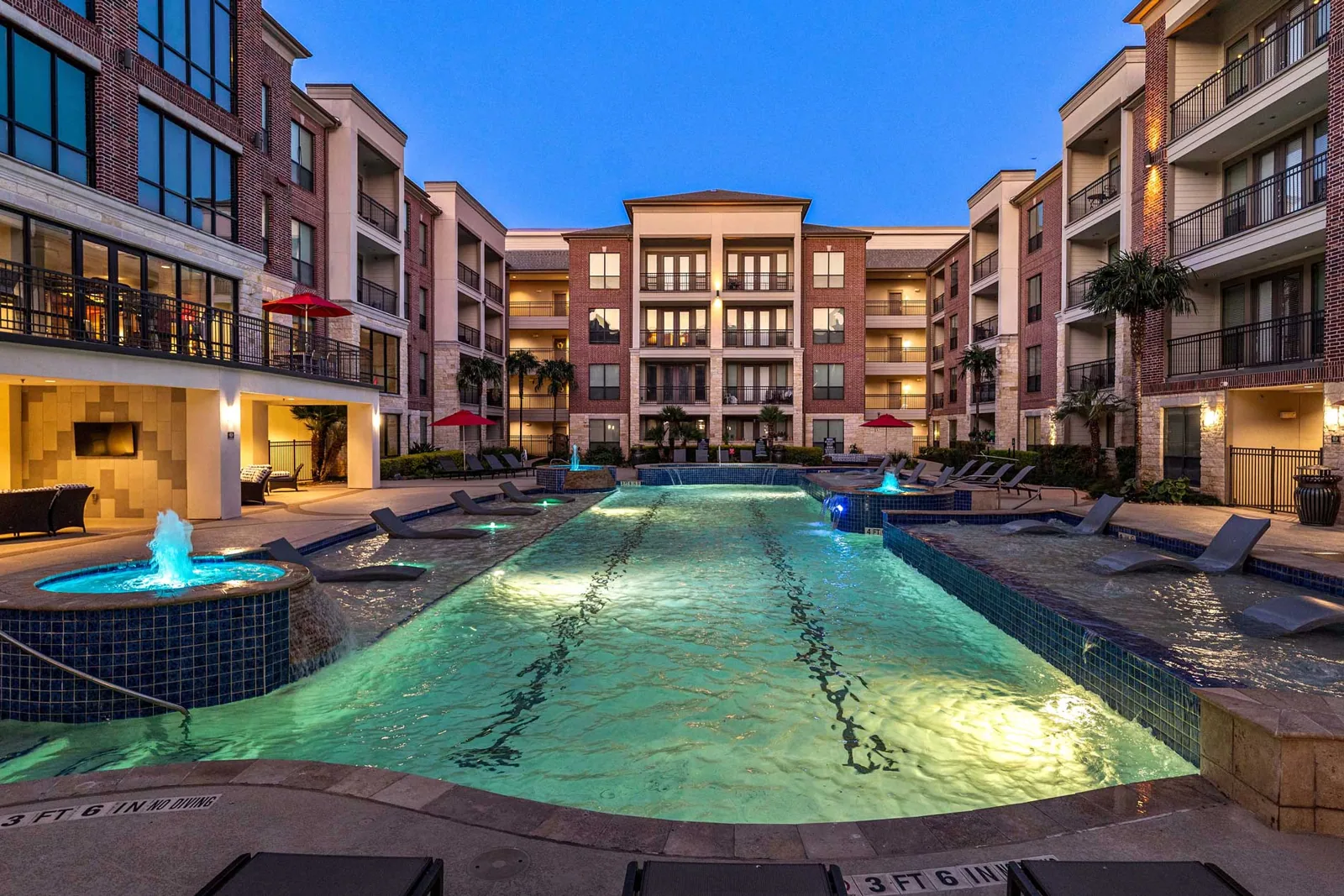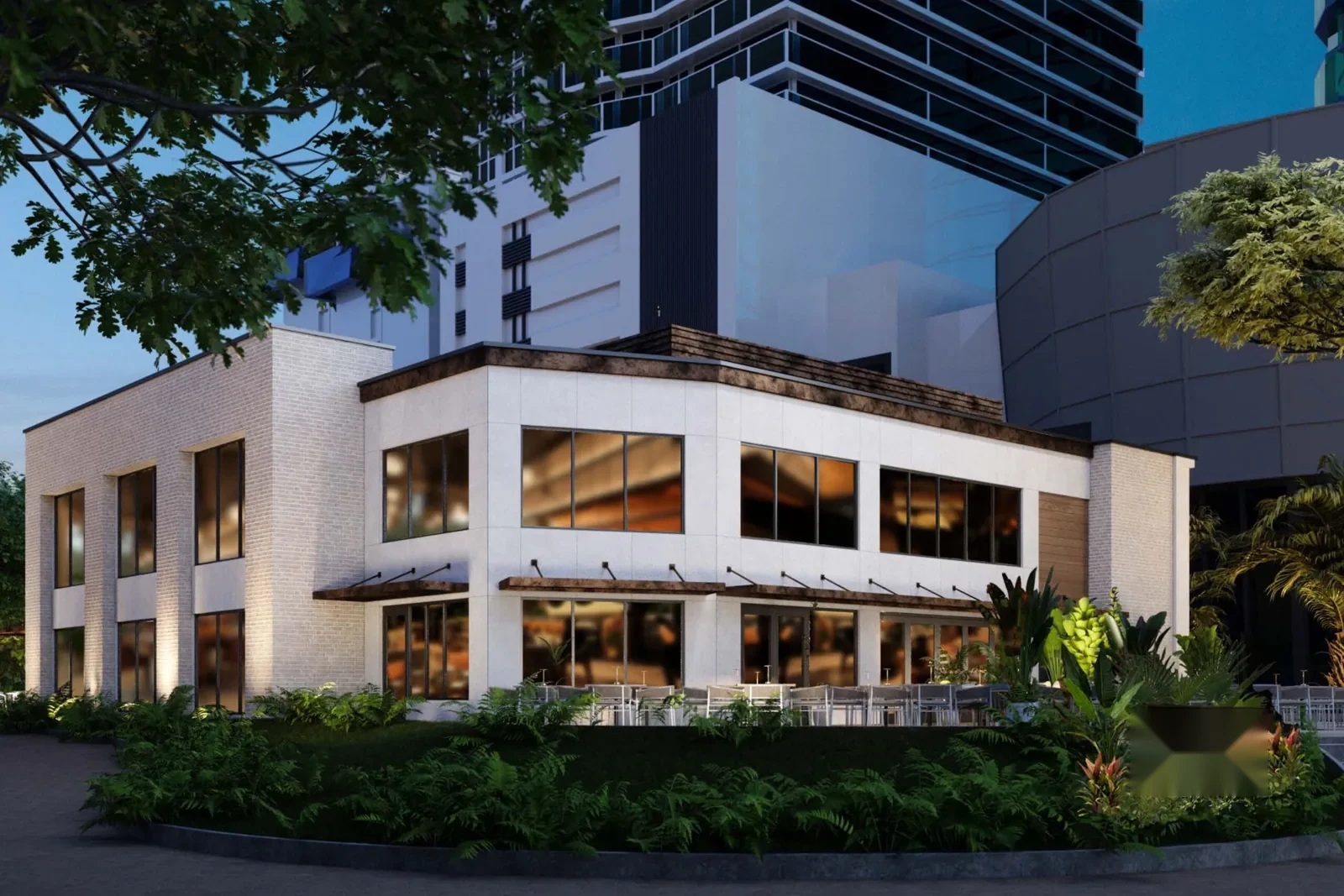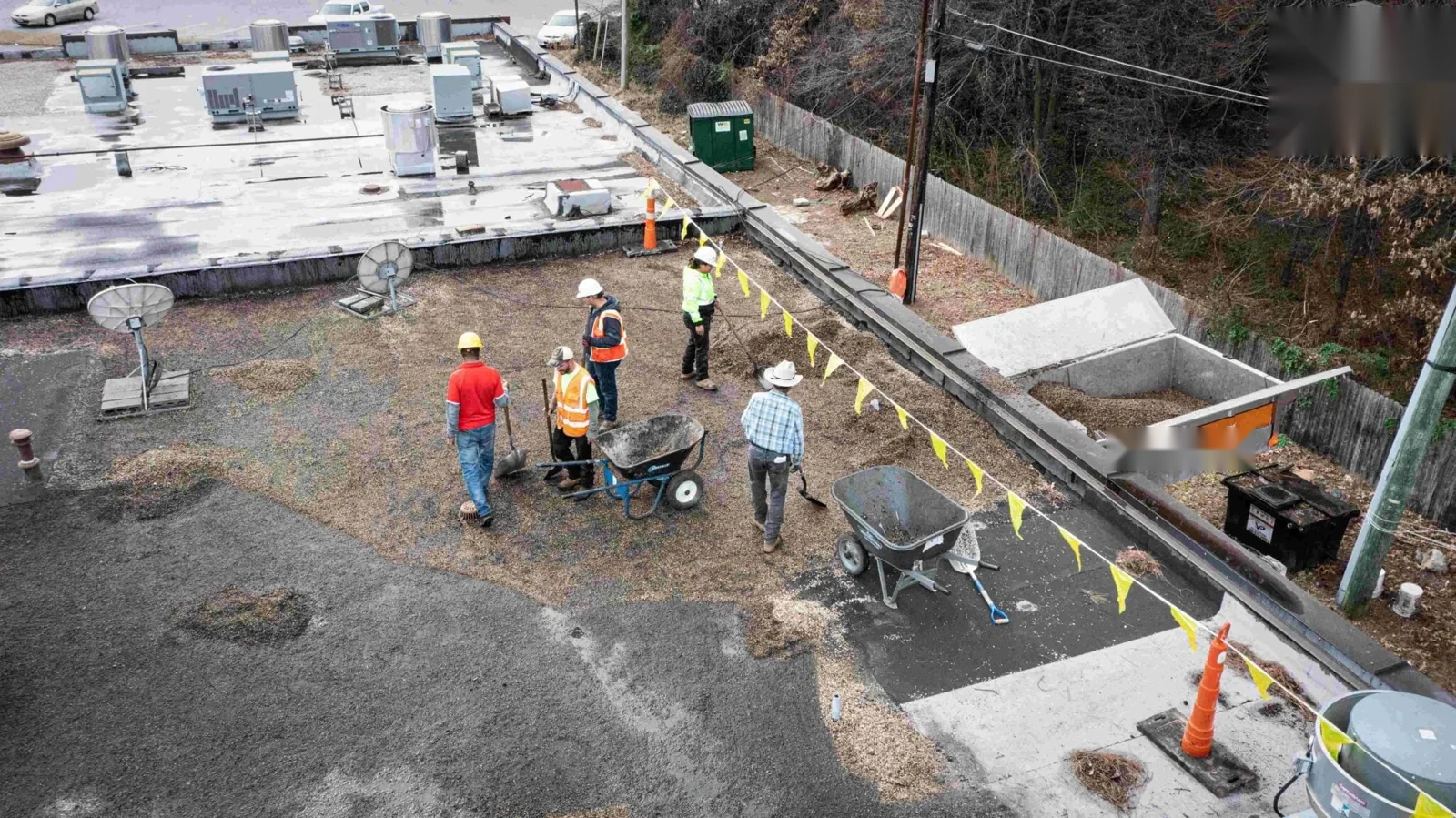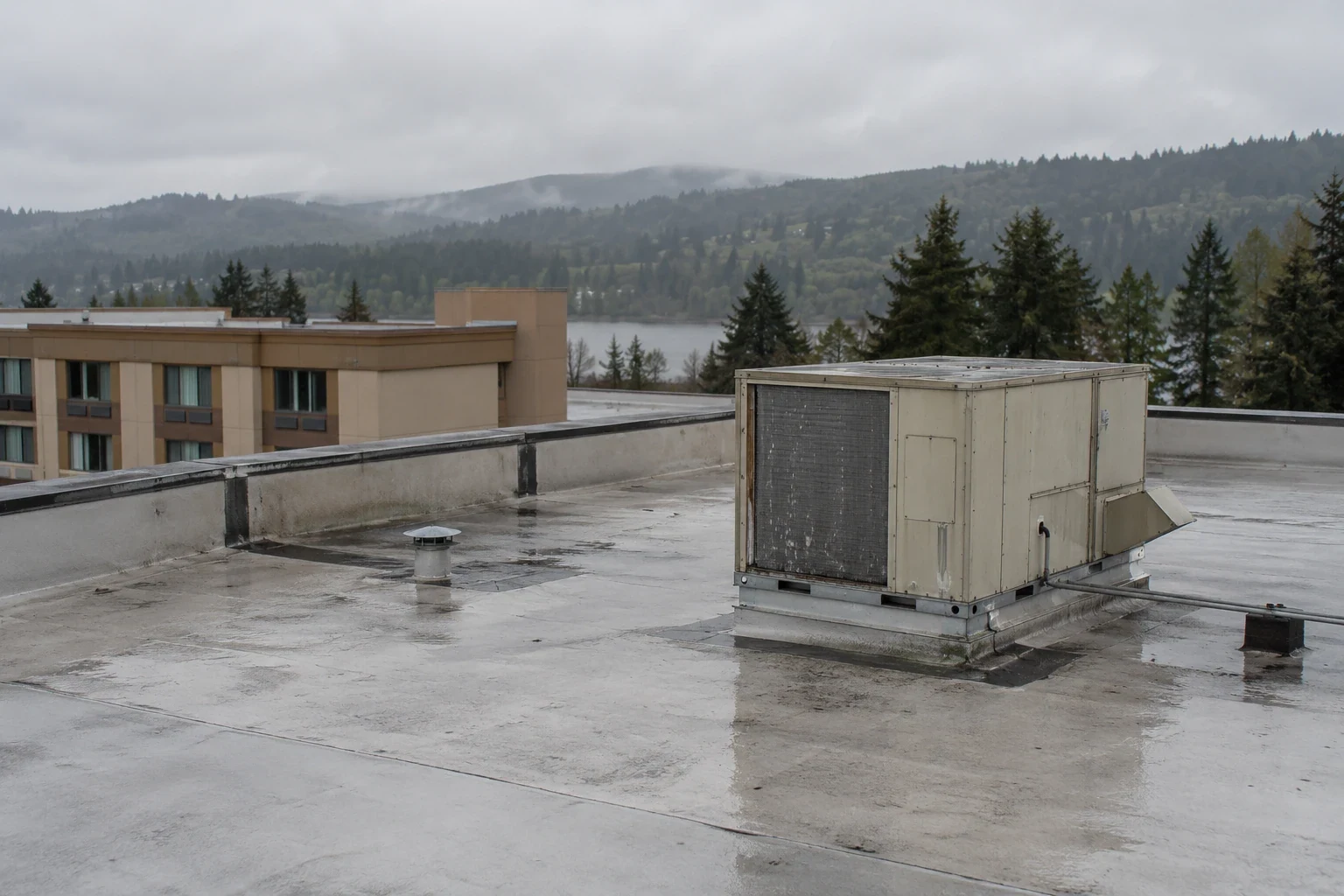
Guest check-in continues while a roof crew is deciding which ladder route is clear. For a hotel in Renton, WA, the repair plan must account for loading, guest entrances, rooftop equipment and the rooms beneath the work area. A ceiling report starts the investigation, not the diagnosis. We compare it with the roof assembly, drains, curbs and prior repairs, then identify what was accessible during the walk.

Before a visit, we coordinate the access window with engineering or facilities staff and identify areas that should remain quiet or open. The scope can be divided by roof zone so the manager can review timing and protection before work is scheduled. A commercial roof inspection records the observed condition and any test needed before pricing permanent work.
Guest route: set work limits before ladders arrive
Roof access may share a path with housekeeping, deliveries, event setup or a service lift. The facilities contact can identify the route, badge or key requirements, and hours when noise or staging needs extra care. We note those requirements in the work plan, keep materials out of guest paths and agree on a contact for changes during the visit. If an access restriction keeps a roof section out of reach, the report names it.
Some repairs can be completed above occupied areas with protection and notice; others call for a short interior restriction. We describe the proposed sequence and the affected roof zone so the hotel can decide whether the timing fits its operations. The apartment roof assessment addresses occupied residential buildings, while hotel work may also involve guest circulation and scheduled events. A restaurant roofing review adds kitchen exhaust and dining-hour details. Those differences belong in the access plan rather than a generic assumption about the building.
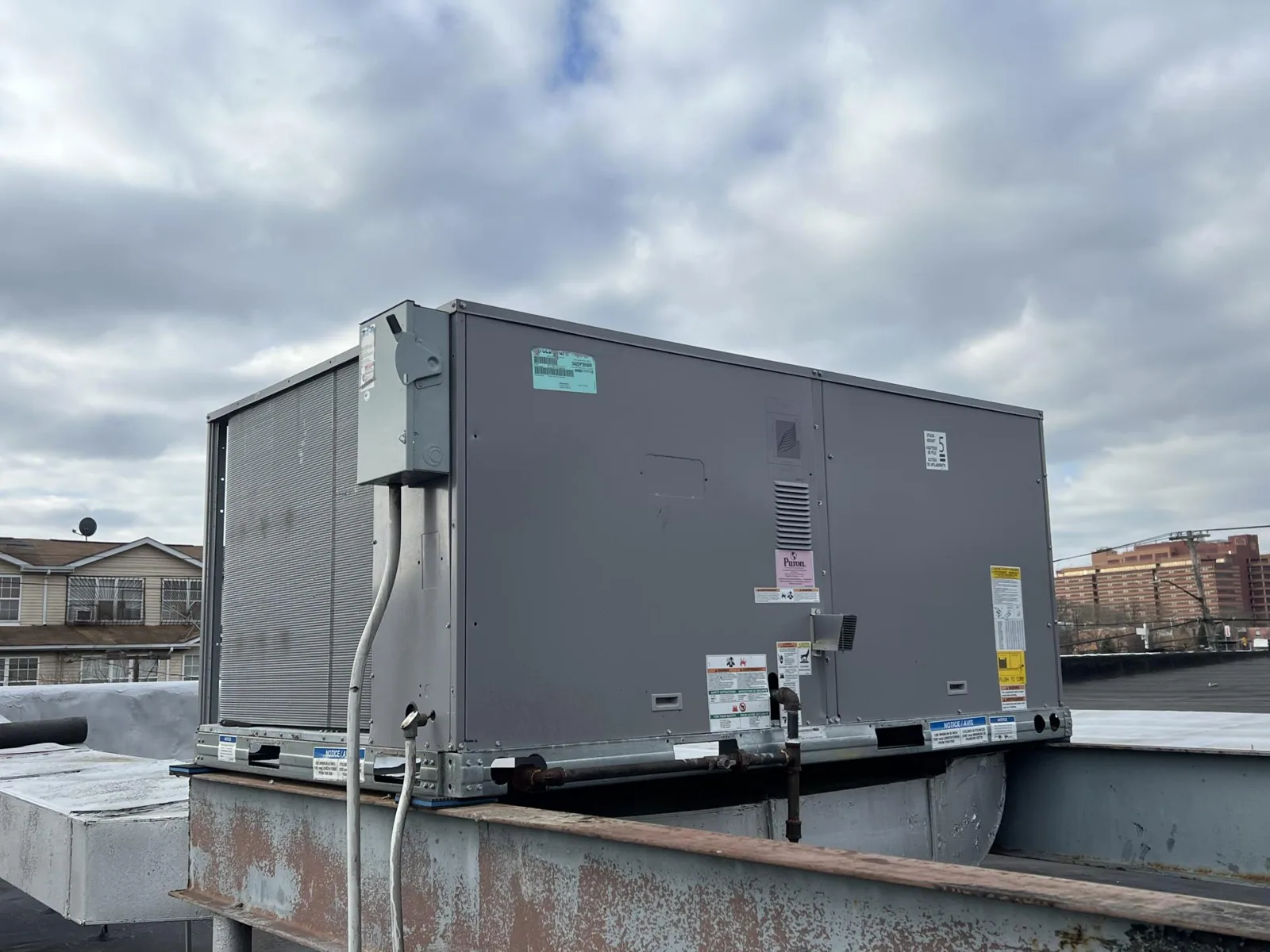
A roof inspection also needs a clear boundary around mechanical work. We observe the curb, support and flashing conditions within the roofing scope, while the hotel's mechanical team handles equipment service. A curb and support review can record the transition and any coordination needed before a repair crew approaches active equipment.
Drain route: separate a blocked outlet from a roof defect
A leak near a corridor or guest room may follow a route above ceilings and partitions before it becomes visible. We start from the reported area, trace the roof slope and inspect the nearest drains, scuppers, seams and transitions. If water is standing, we note where and how long it remained after ordinary drainage. A drain and scupper inspection can document a blocked outlet, a restricted path or a low area that needs a different correction.
Sea-Tac's November and December normals, 6.31 and 5.72 inches against 0.60 in July, frame the wet-season timing for checks in Renton. Current conditions, repair records and the roof plan carry more weight than regional averages when determining where water may enter.
We compare the room report with the building's maintenance log, prior patches and any service work around rooftop equipment. A temporary ceiling measure can limit interruption, but it should not be recorded as a roof repair. The closeout should identify the roof area reviewed, work completed and whether a later weather check would add useful confirmation.
Roof interruptions: inspect curbs, edges and transitions
Guest-room additions and mechanical upgrades can leave adjacent roof areas with different ages or assemblies. We review available plans, repair invoices and exposed edges before naming the membrane. A TPO sheet, PVC sheet, EPDM, metal or built-up roof calls for a repair suited to that system. If the roof records do not settle the question, we state the field check or small test area that could confirm it.
Kitchen and laundry exhaust leave grease and lint on the membrane near their outlets, and pool or spa equipment adds chemical vapor and moisture, so those areas are checked for softened or stained membrane even when no leak has been reported.
A TPO seam review examines welds and the surrounding detail. A PVC roof assessment considers the installed sheet and compatibility of the repair materials. We also inspect wall transitions, parapets, skylights and equipment curbs where a movement or seal condition may leave an opening. A flashing repair assessment records the specific edge or transition instead of recommending a broad coating without checking the cause.
A hotel in Downtown Renton gets its roof facts from the property's own plans, access rules and field findings.
Repair choice: compare the leak report with the assembly
A patch is appropriate only when the existing surface and surrounding materials can support it. We look for wet insulation, repeated patches, open laps, failed sealant and drainage issues that may change the recommendation. If moisture testing is needed, the report states what area would be tested and why. If the assembly is sound and the condition is limited, a localized repair may fit; broader work needs evidence from the roof, not the building type alone.
Industry and warehouses dominate the Renton Valley Subarea, so a hotel there can share service routes with logistics traffic. The hotel's address, roof records and approved access remain the basis for the inspection.
A hotel in nearby Tukwila, where Southcenter combines retail, office, lodging, warehouse and distribution, light-industrial and large-format retail uses, still has its roof system identified from the address and records rather than inferred from neighboring land uses.
Closeout record: make the next decision easy to review
Each observation should include its roof zone, nearby feature, condition, photo and recommended next step. We separate active water entry from old staining, and completed repair from temporary protection. If a room could not be checked or a roof area was inaccessible, the limitation stays in the record. This gives engineering staff a practical basis for comparing a new report with past work orders.
Hotels may prefer a phased sequence that keeps entrances, deliveries and guest rooms available. The work plan can show staging, noise limits, weather contingencies and any short access restriction by area. If a storm or equipment call changes conditions, the field record should capture that change before the scope expands. A second visit can be planned when a test or safe access requires coordination.
Send the property address, roof plan, leak dates, prior invoices and access requirements. We will inspect the approved areas, explain what the roof details show and identify any testing needed before permanent work is proposed. The hotel contact can then review the sequence and decide whether it fits the operating calendar.
Commercial Roofing Questions
Can roof repairs be phased to keep guest rooms available?
Yes, when the roof layout and access allow it. We can separate the work by roof zone and identify noise, staging or protection limits for the hotel to review before scheduling.
Does a ceiling stain identify the roof section to repair?
Not on its own. Water can travel along a deck, insulation or framing, so we compare the room location with roof slope, curbs, seams and prior repairs before identifying a likely entry point.
What access details should hotel staff provide?
Share roof keys or badge rules, service-lift or ladder routes, delivery hours, quiet periods and areas that must remain open. A contact who can approve changes helps keep the inspection within the agreed scope.
How do you handle a leak report during a guest stay?
We record the room or common area, timing and immediate conditions, then coordinate access with hotel staff. Any interior protection is separated from the roof repair recommendation until the source is inspected.
Can you recommend a coating during the first visit?
Only if the assembly, moisture, adhesion, drainage and existing layers support that option. If those conditions are not established, we explain the inspection or test needed first.