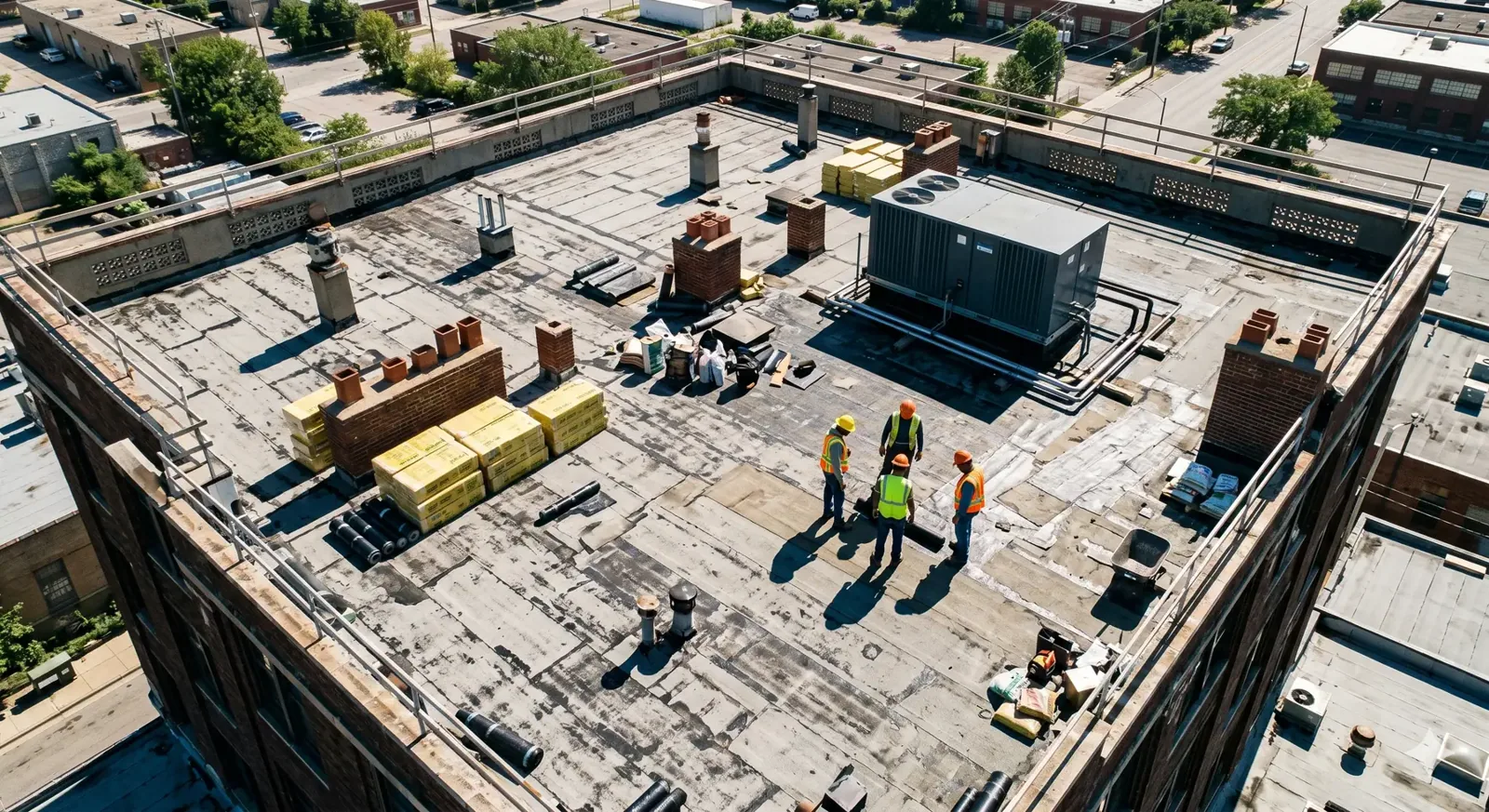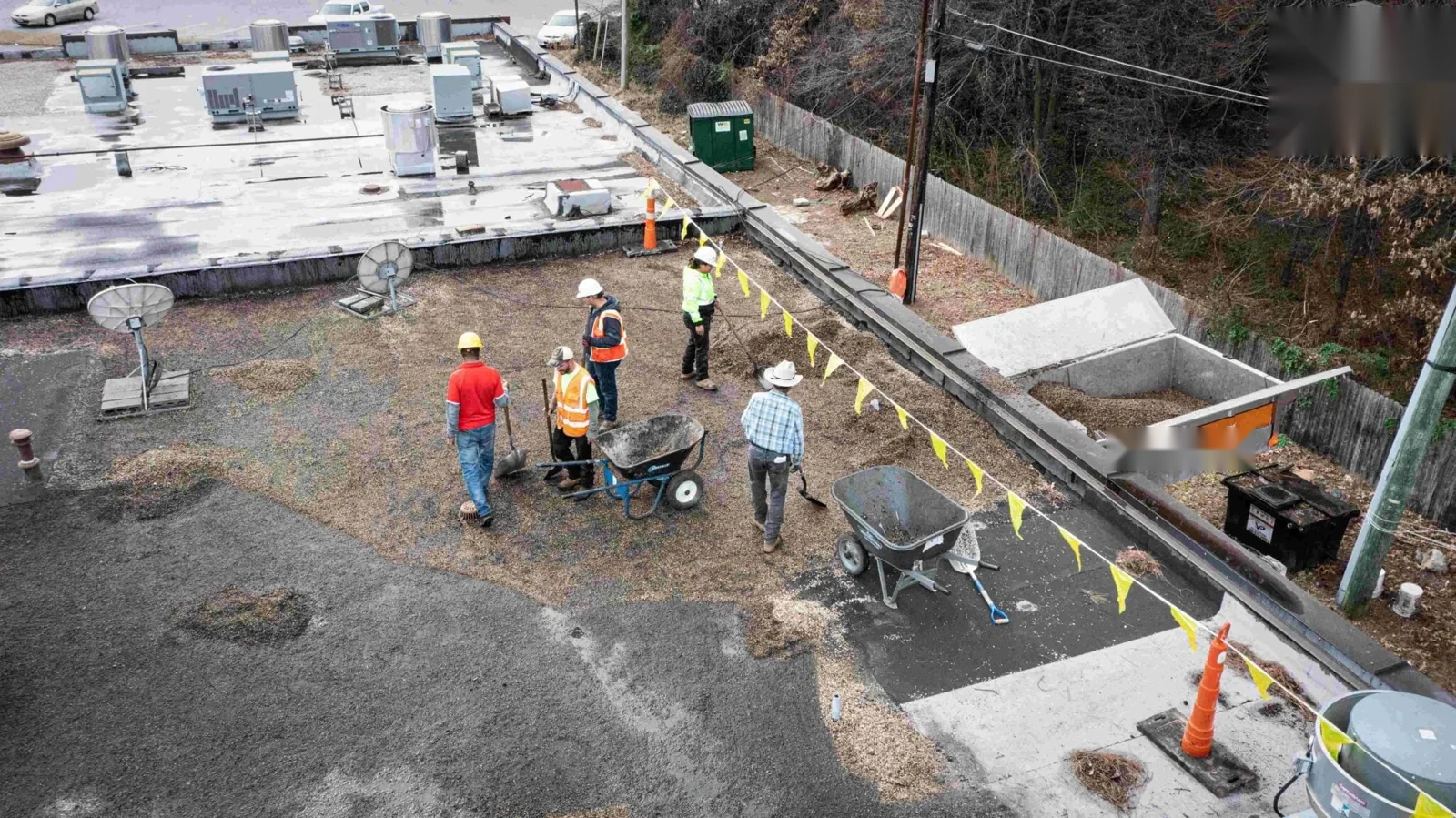
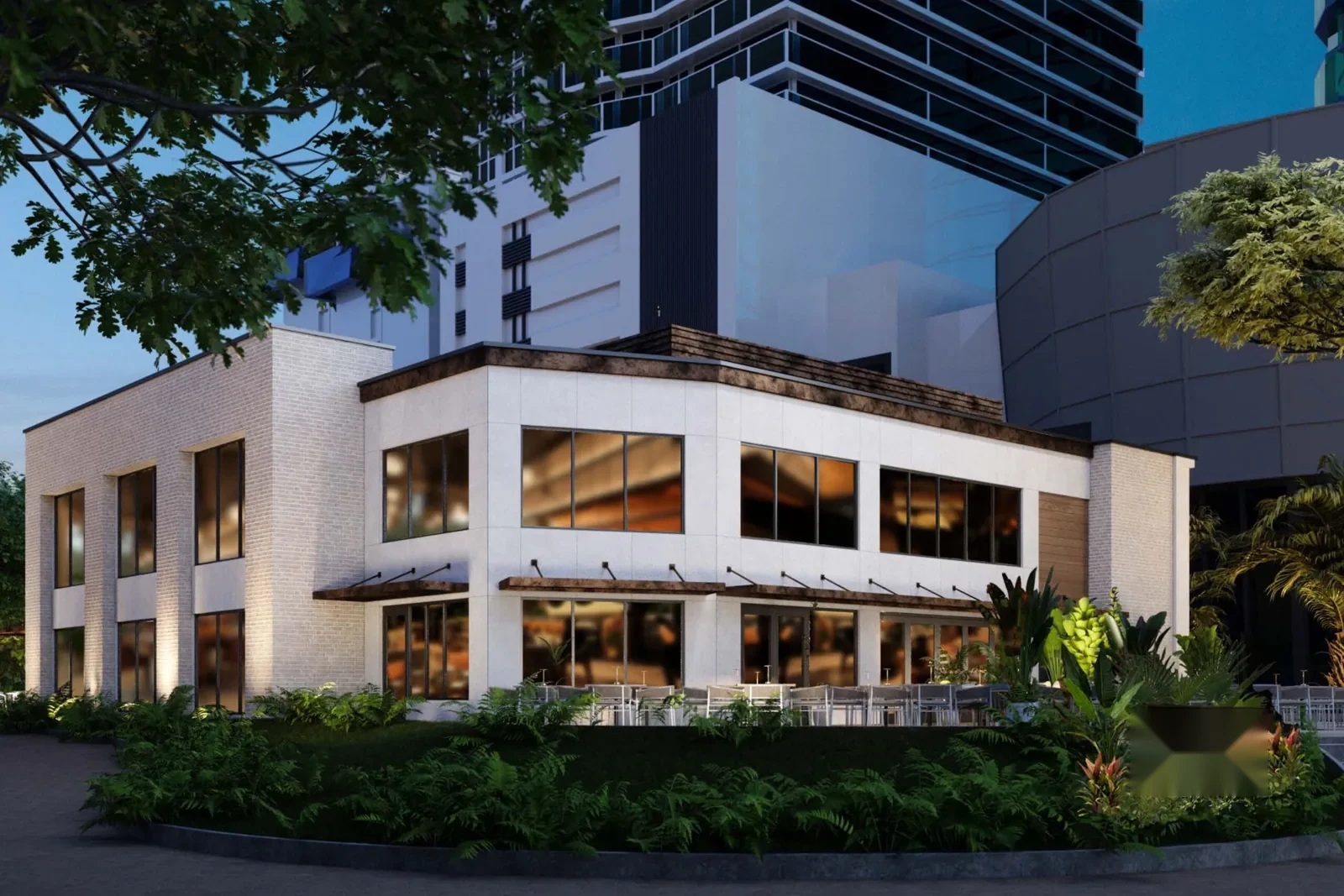
Kitchen exhaust changes the roof long before a leak reaches the dining room. At a restaurant in Renton, WA, rooftop fans, grease duct curbs, make-up air equipment and service paths can concentrate wear at the flashing and membrane. We start with the report and approved route, then inspect the related roof details. The scope accounts for kitchen hours without treating a ceiling mark as the entry point.
We coordinate the walk with the operator or facilities contact, identify restricted areas, and keep a safe route around equipment. A commercial roof inspection can document the assembly, drains, edges and equipment curbs before a repair is selected.
Exhaust curbs: inspect the flashing, not just the fan
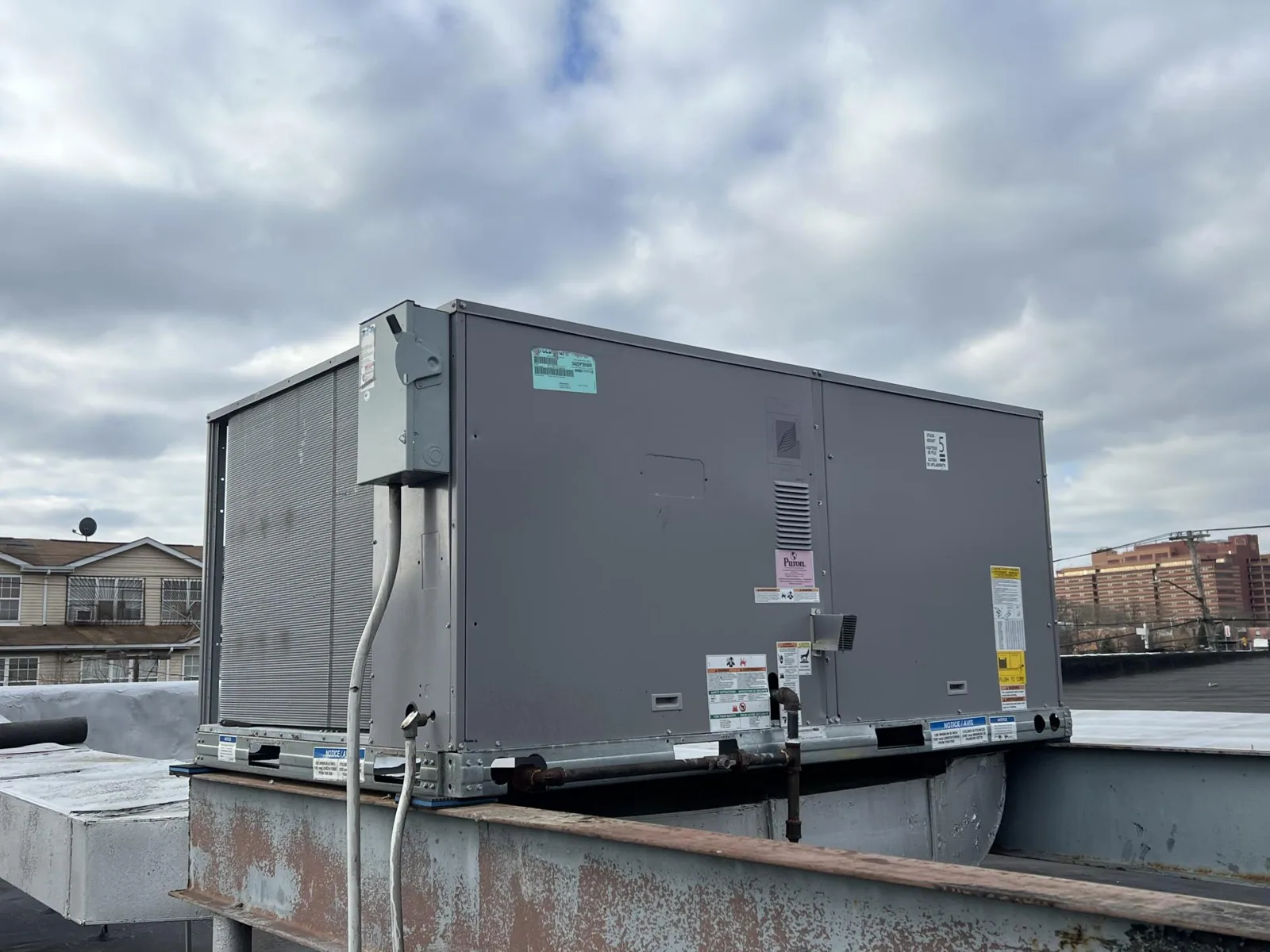
A fan can be running normally while its curb flashing has a loose corner or an open seal. We look at the membrane-to-curb transition, nearby seams, pitch pockets and support points within the authorized scope. Grease residue may point to an exhaust issue, but it does not establish the condition of the roof beneath it. The Diligence Notes should separate what the kitchen equipment shows from what we observed at the roof surface.
Work timing matters because exhaust and make-up air may need to stay available during meal periods. The operator can identify service windows and which equipment requires a mechanical contact before access or shutdown. We record equipment that remains in service, any area that cannot be isolated and the roof-side work that can proceed independently. A curb and support review can define that boundary without assigning a roofing repair to a mechanical component.
When a restaurant has several fans, each curb should be identified by roof zone or nearby feature rather than called simply "the exhaust curb." Photos need enough surrounding detail to locate the item later. If the membrane is cut or lifted for a test, the report states where and how the opening was closed, along with the result that the test can support.
Drain route: connect ponding to the roof slope
Water that lingers beside an exhaust curb may have entered elsewhere or may be held by a blocked outlet. We trace the low path, inspect strainers and overflow openings, and note debris, seams and transitions between the report location and the nearest drainage point. A clear drain bowl does not prove the whole route is clear. A drain and scupper review records whether the restriction is at the opening, along the route or in the roof geometry.
A repair finished in summer has not yet seen winter rain, and Sea-Tac's normals jump from 0.60 inches in July to 6.31 in November, so early fall is the sensible time for the drainage check. Current moisture, slope, repair history and the restaurant's leak log guide the inspection.
We mark any ponding that remains after ordinary drainage time, note whether the surface is distorted, and distinguish a maintenance item from a membrane defect. If a temporary action is needed to protect food preparation or dining space, it is documented separately from permanent work. The closeout should say what was completed and whether a later rain check is still needed.
Service window: protect the kitchen and customer areas
A restaurant may have a quiet gap between prep, deliveries and the evening rush, but the schedule varies by operator. We ask the contact to identify receiving times, dining entrances, trash handling and any areas where tools or overhead work need added protection. Ladders and materials stay outside agreed customer and delivery paths. The roofer should know who can authorize access and who will be on site if a leak appears while work is underway.
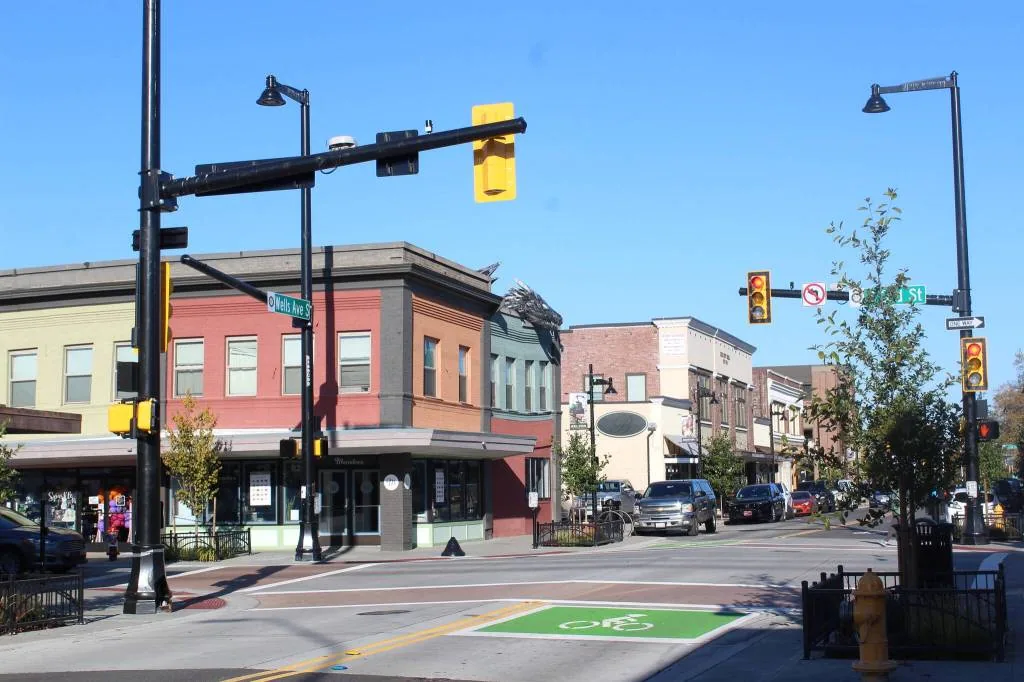
For work near Downtown Renton, we use the property's own access plan and service contact to set the walk. A restaurant in nearby Tukwila Southcenter gets the same treatment, with the property's own access plan setting the route.
Food areas may need temporary interior protection or a short closure beneath the repair. We confirm those arrangements with the restaurant contact before opening a roof section. If the inspection can be completed from above without entering the kitchen, the report should still identify where the leak was reported and whether interior verification was unavailable.
Assembly check: identify the membrane before pricing a patch
Restaurant additions and remodels can leave more than one roof assembly on the same building. Plans, prior invoices and exposed edges help identify whether the surface is TPO, EPDM, modified bitumen, built-up roofing or a coating over an earlier layer. We do not identify a membrane by color alone. If the record is incomplete, we describe the field check that could confirm the material before choosing a compatible repair.
A TPO seam inspection examines a welded sheet and its details; the work differs from a layered asphalt surface. At a larger-format retail property, the big-box roof review discusses similar equipment access at a different building type. Hotel roofs can have their own rooftop service patterns, so a hotel roof assessment is not a replacement for the restaurant's assembly record.
Metal counterflashing, a roof hatch, parapet, curb or wall transition can be the point that needs repair even when most of the field is serviceable. A flashing repair assessment identifies the observed opening and whether adjacent material needs further review. We explain when moisture or adhesion testing is needed rather than adding an unverified coating or recover to the estimate.
Closeout note: leave the next shift a clear roof record
A useful repair record identifies the roof zone, curb or drain, the condition seen and the next action. Photos should include a nearby reference so a manager can locate the detail from a roof plan. We separate completed work from temporary protection, and list any area that was inaccessible. When the finding is uncertain, the report states the test or return visit that would resolve it instead of presenting a guess as a diagnosis.
At each restaurant, delivery access, kitchen hours and the equipment list drive the work sequence. The plan should identify those constraints before crews arrive and preserve the operator's normal route where practical.
Send the restaurant address, roof plan, leak dates, repair invoices and service-hour limits. We will review those records, walk the approved sections and explain which repair is supported by the field conditions. If an equipment contact, moisture test or follow-up inspection is needed first, that step will be named before permanent work is proposed.
Commercial Roofing Questions
Can roof work be scheduled before the kitchen opens?
Often, if the operator can provide access and identify equipment that must stay on. We confirm the time window, receiving activity and any protection needed below before scheduling the roof crew.
Does grease near a roof fan mean the membrane is failing?
Grease can point to exhaust maintenance, but it does not by itself prove a roof leak. We inspect the curb, flashing, membrane and nearby drainage, then keep the equipment finding separate from the roof diagnosis.
What information helps trace a dining-room stain?
Give us the room location, when it appeared, recent weather, prior repairs and a plan showing roof equipment. Water can travel before it reaches the ceiling, so we compare the report with the roof route rather than assigning an entry point from the stain alone.
Can the restaurant stay open during a roof repair?
That depends on access, staging and any protection needed below. We can propose a sequence by roof zone, but the operator determines whether dining, prep or receiving areas need a temporary restriction.
Will a roof coating solve recurring water near an exhaust curb?
A coating should follow checks of the assembly, moisture, adhesion, drainage and curb detail. If the opening is at flashing or the substrate is wet, a coating alone may not address the cause.