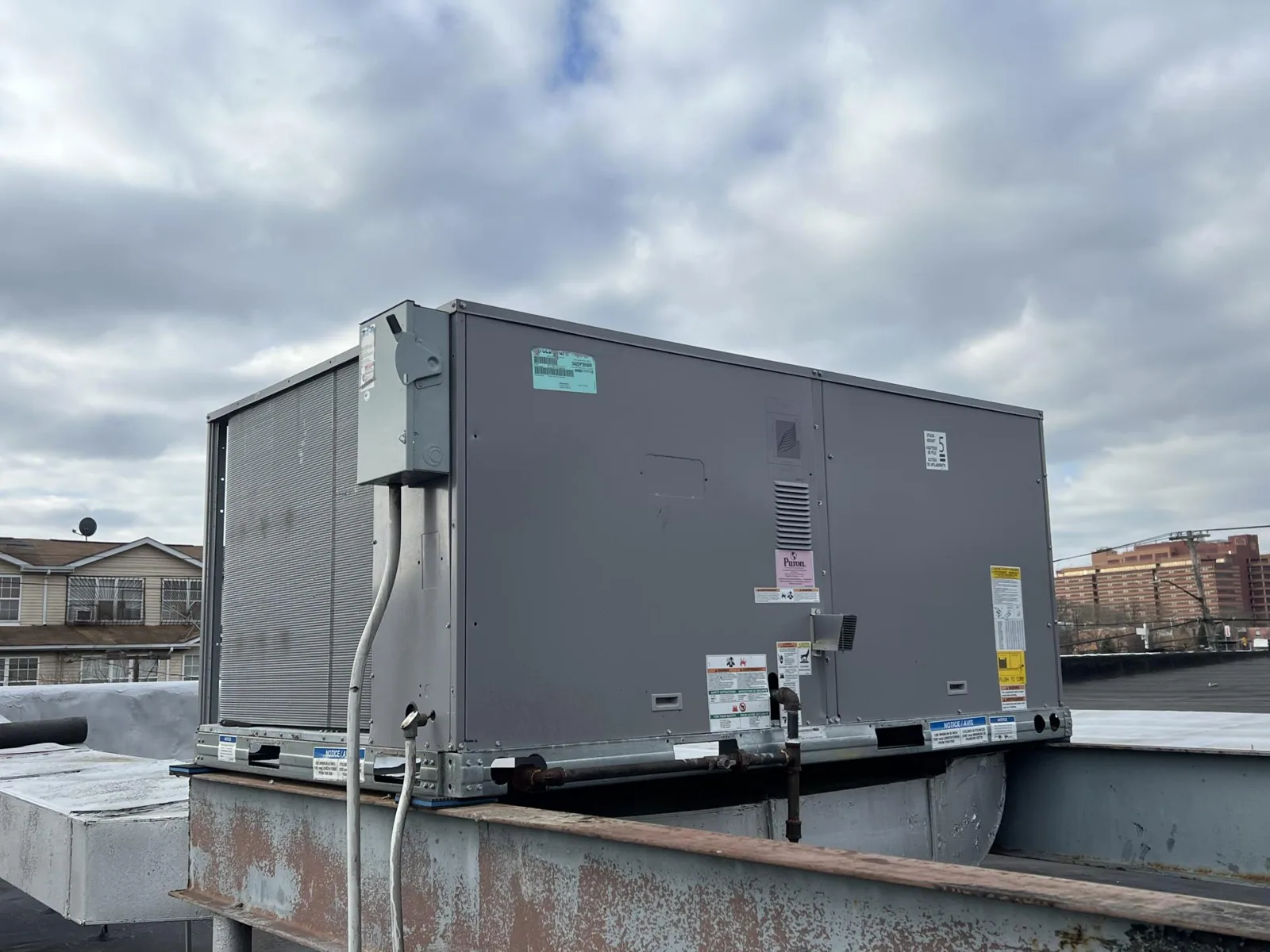
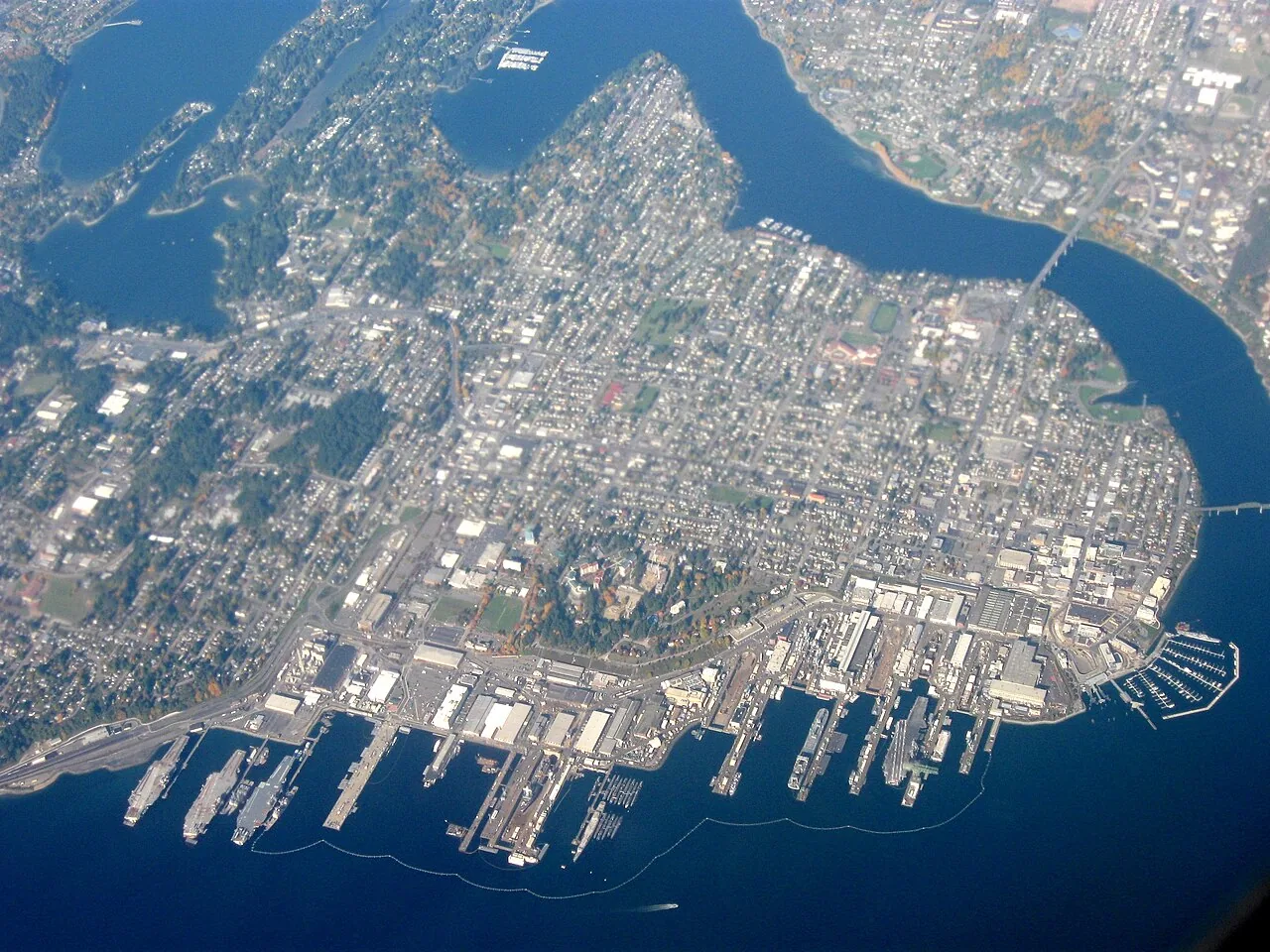
A row of loose fasteners beside a roof curb can open a path for water long before a ceiling shows a mark. We inspect the panel laps, flashing and eave route, then tie each observation to the roof plan and the access window. Sea-Tac normals put November and December precipitation well above July, a regional wet-season cue to review outlets and temporary cover before exposed work starts in Renton.
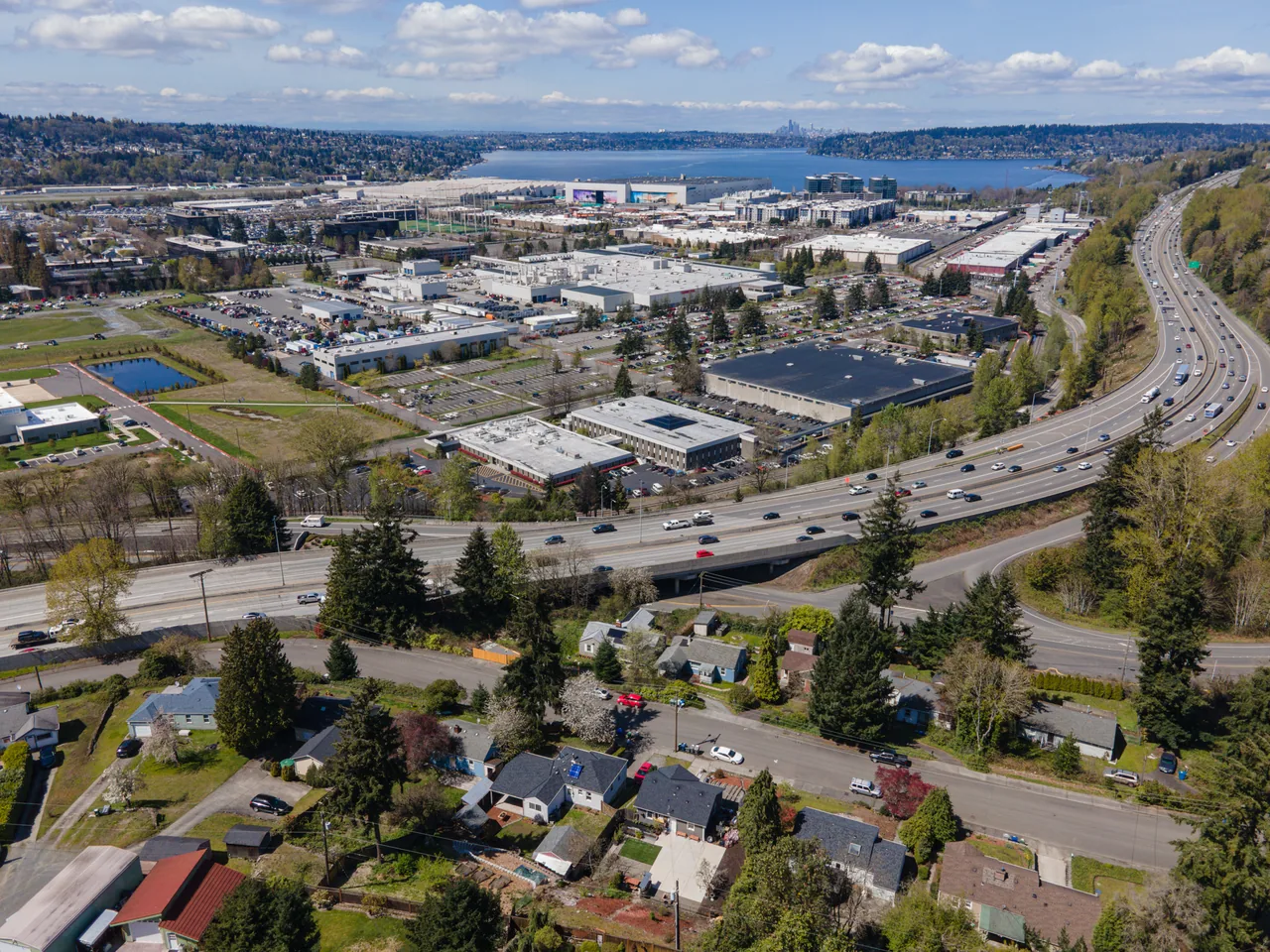
Naval Base Kitsap provides infrastructure and base-operating support for fleet and tenant commands, while Naval Station Everett supports Navy and Coast Guard shore operations and facilities. Those regional roles make the responsible property authority and approved entry procedure part of the roof sequence. The roof walk follows the actual assembly and the work boundary authorized for the building, whether it lies near the Renton Valley Subarea or Downtown Renton.
Access window: confirm the approved roof route
Badge rules, escorts, delivery controls and mission schedules can affect when a crew reaches a roof. We review the approved entry path with the facility contact, identify where material can stage and mark the areas that must remain clear. The access plan should include the roof hatch or ladder, lift placement, emergency egress and the contact who can authorize a change in the work boundary.
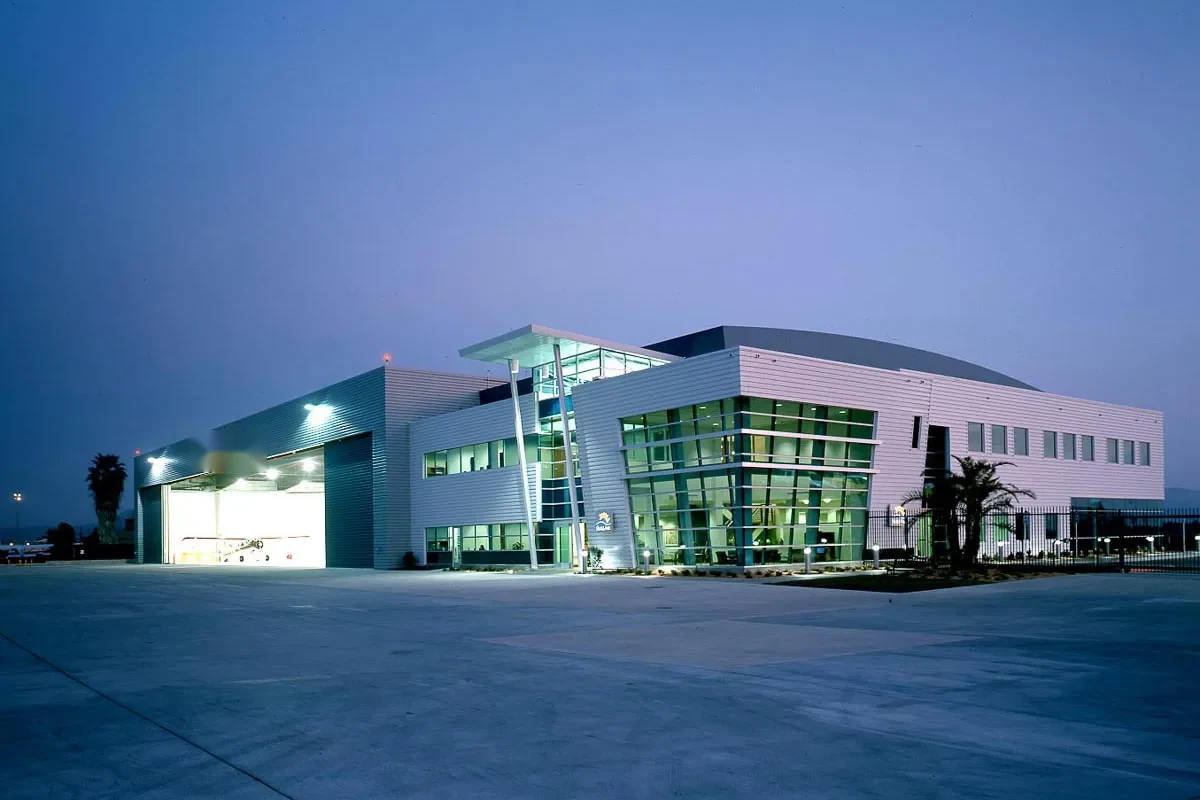
Roof work on a hangar has wide-door clearance and long-span details to consider; a hangar roof inspection considers that building form. Barracks bring occupied-room routes and resident schedules, addressed in a barracks roof review. A naval building may combine different uses, so the facility authority sets which restrictions apply before the crew mobilizes.
If removal exposes a deck or interrupts a service route, the phase plan should say how the opening will be protected and when it can be closed. We identify the daily stopping point, temporary cover, drain path and check before the next shift. That makes a change in access or weather easier to handle without leaving an unclear roof boundary for the next crew.
Drain route: keep the outlet clear through each phase
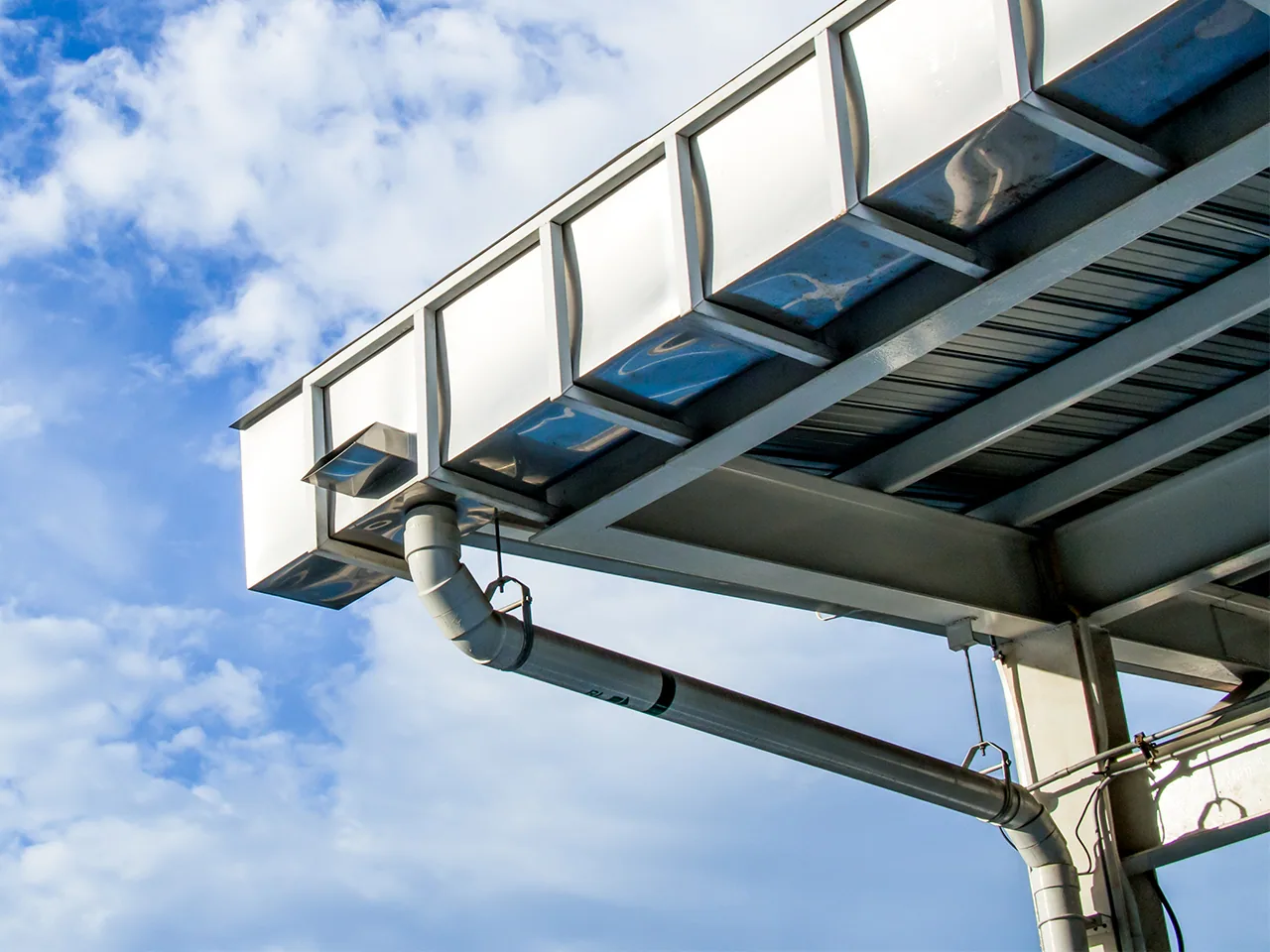
Water follows slope toward a bowl, scupper or eave, and a blocked outlet can leave a low area loaded after rain. We check strainers, drain bodies and nearby membrane, then record what remains after cleaning. Drain and scupper service can address the outlet and its roof transition together. If ponding continues, we map the low area and inspect slope, attachment and seams before proposing a larger correction.
Sea-Tac's wet November and December are why Renton wet-season planning should account for open seams and unprotected edges during a phase. We identify which drains must stay clear, what temporary cover will close each day's work, and which roof area needs a final check before access is returned to operations.
A service line or equipment support near a drain can make the inspection route narrow. We note equipment clearance and coordinate any movement with the responsible trade before opening the roof. If a curb flashing repair changes the runoff path, the closeout map should show where water now travels and which outlet receives it. That gives facilities staff a practical point to recheck after rain.
Metal details: inspect laps, curbs and perimeter turns
Metal roof panels move with temperature, while fasteners, end laps, curbs and perimeter trim form separate water paths. We look for loose attachment, split sealant, open seams and flashing that has lifted at a penetration. A curb and equipment-support review can isolate a roof-to-unit transition; a commercial roof inspection can map the surrounding field and edge conditions.
Where a low-slope membrane meets a metal panel, we check the change in height and the flashing that closes the joint. A repair must let each assembly move as designed and keep water from tracking beneath the edge. A metal roof retrofit may be compared with panel replacement when the existing attachment and substrate support it. We describe the condition found rather than assuming every metal roof needs the same fastener or seam treatment.
Some roof areas may need an escort, lift or separate access approval before the inspector can reach them. We record that limit and avoid treating an unseen section as inspected. If an insulation test or small opening would affect the repair choice, the scope identifies the proposed spot and the question it answers. The facility contact can then decide whether the added check fits the approved work window.
Repair line: distinguish a detail fix from a system change
A loose fastener, failed boot or open lap may call for a localized repair when nearby material remains dry and attached. Recurring water or broader corrosion can justify a wider comparison. We list visible conditions, concealed questions and the test that could change the scope. The record should show where the repair begins and ends, which trade needs coordination and what access boundary remains in force.
If the existing assembly cannot support a reliable repair, a replacement scope can separate removal, substrate work, insulation, drainage, flashing and metal panels. A recover is considered only after moisture, attachment, layers and edge height are understood. Specifications may also set uplift, fire, insulation or wind criteria; we match the proposed assembly to the project documents and identify any approval the owner must obtain.
Leaving a known opening can wet insulation or equipment below; replacing sound sections can add disruption without closing the leak route. We keep immediate protection, repair and capital replacement as distinct decisions. Where the authority approves only a short access period, the scope can prioritize the section that protects the building first and defer other work to a later phase.
Roof record: leave the next crew a clear boundary
At closeout, map repaired panels, seams, drains, curbs, access limits and any area not reached. Photographs tied to a roof plan help maintenance staff identify the same transition during a later review. Record temporary protection removed, materials installed, remaining follow-up and any inspection point that needs a new escort or lift. The notes should keep completed repairs separate from items awaiting approval.
The property representative confirms delivery permissions and staging; the approved access plan and roof condition set the work boundary.
Emergency response runs around the clock, so if water is entering, call with the building address and the authorized contact's details. The facility's interim-protection procedure covers the interior until the crew has approved access, and the facility contact can share the entry rules and the area that needs immediate protection. We then record what was covered, what still needs inspection and when the authorized work can continue.
Commercial Roofing Questions
How do base access rules affect a roof repair?
The authorized entry route, escort, material delivery and work window shape the sequence. We identify those steps with the facility contact before mobilizing and keep each phase within the approved boundary.
Can an active roof leak receive attention outside a weekday window?
Yes. Emergency response runs around the clock, though the site's authorization and escort rules still decide when the crew can enter. Give us the authorized contact up front, and the property team follows its interim-protection procedure in the meantime.
What needs inspection on a metal roof near equipment?
Fasteners, panel laps, curb flashing, nearby seams and the outlet route each need their own look. We note the observed defect and the work boundary rather than treating the equipment opening as proof of a field-wide failure.
When should an owner compare repair with replacement?
Repeated leaks, corrosion across several areas, wet insulation or failed attachment can support a broader review. We document what is visible and identify whether a test could change the choice before preparing a replacement scope.
What should be shown in the roof closeout record?
Show the repair line, materials, drains, penetrations, access limits, photographs and any follow-up that still needs approval. That map helps the next authorized crew find the right roof zone without widening the task by assumption.