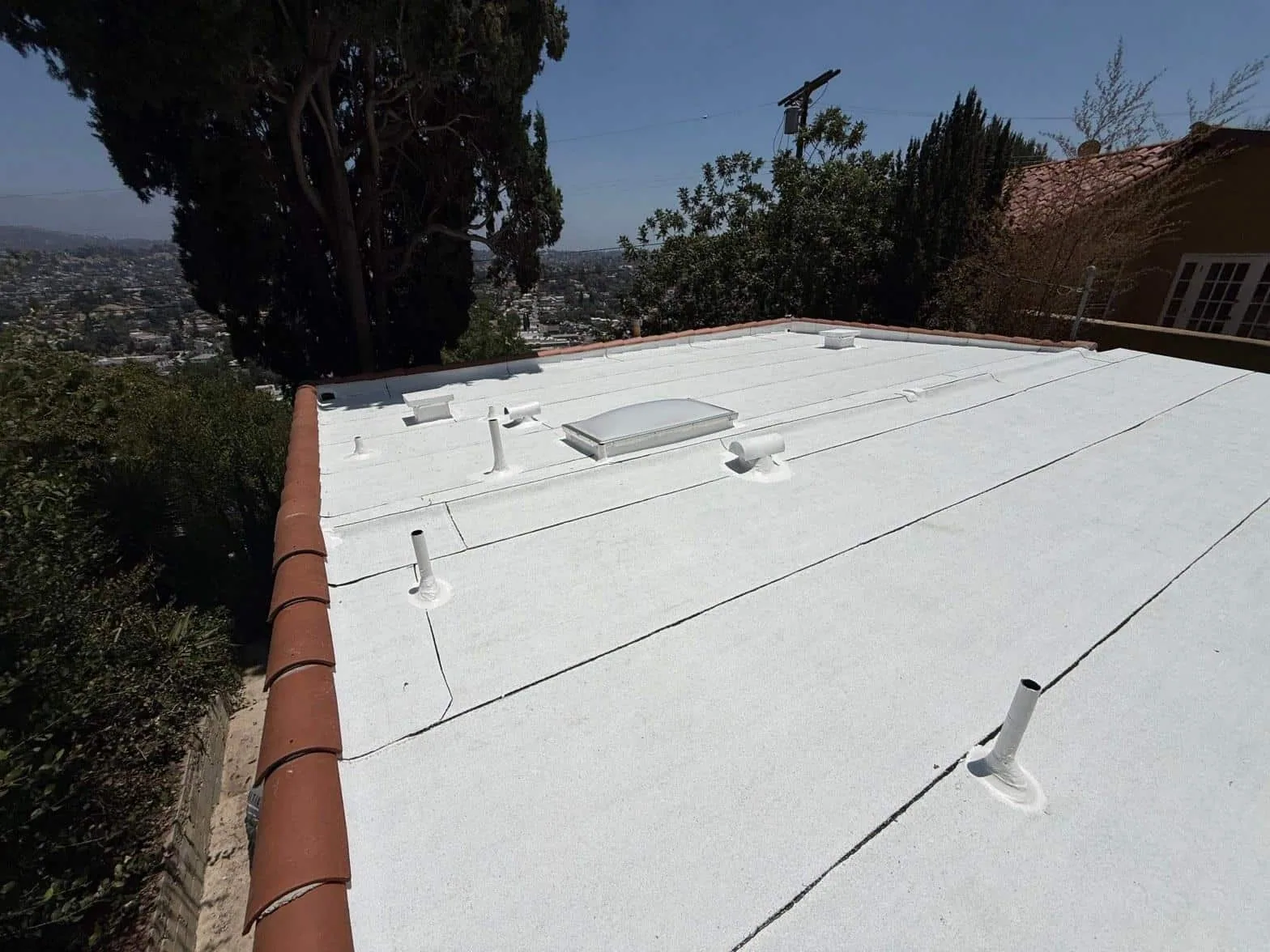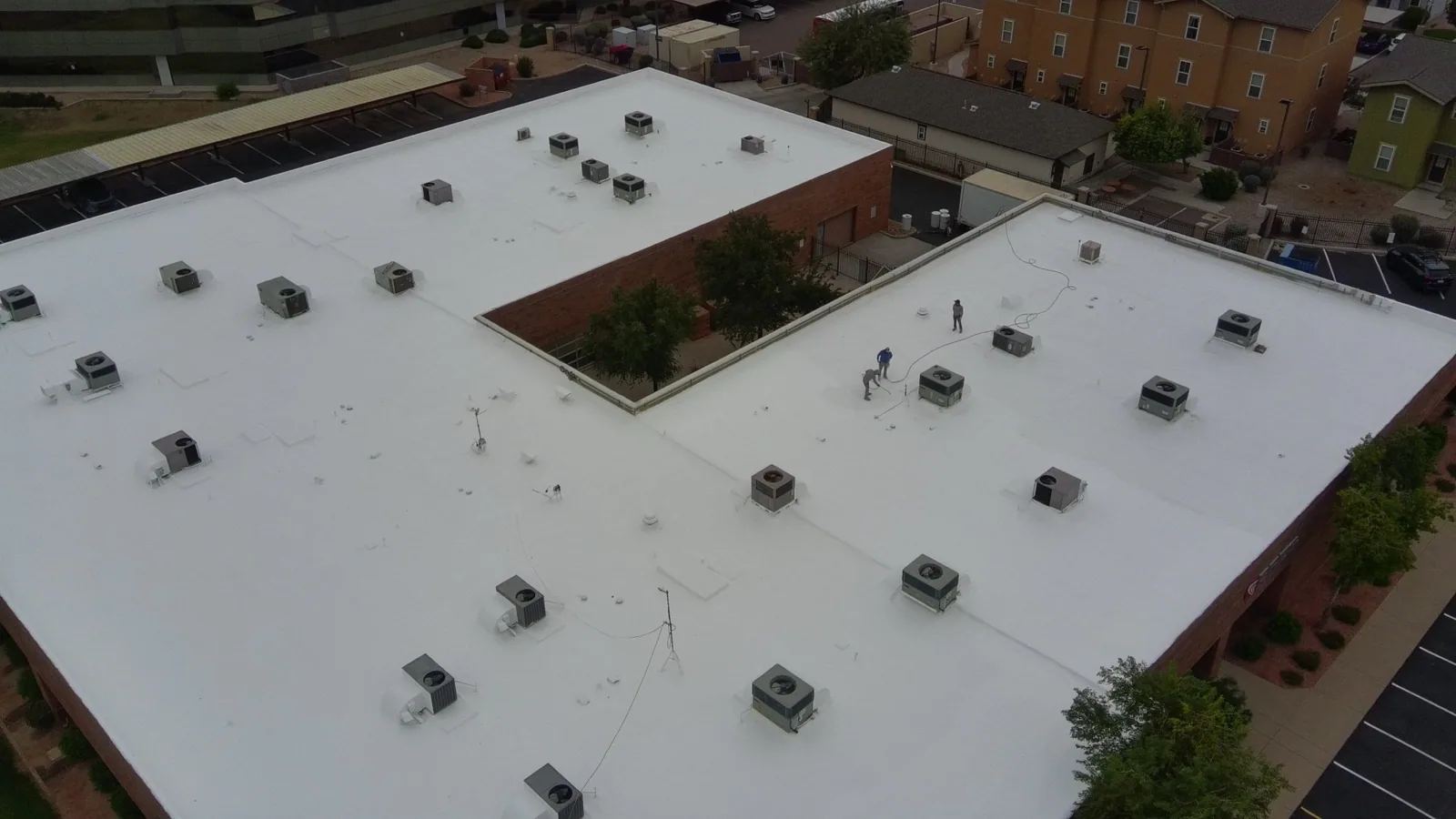
Heat at the roof deck can build under dark surfaces and around rooftop units, but color alone does not show what a building will gain from a reflective system. We start with the existing membrane, insulation, drains and service conditions, then compare assemblies that can fit the roof. In Renton, Sea-Tac's monthly precipitation averages rise sharply in November and December compared with July, so a reflective surface still has to handle the local wet-season water path.
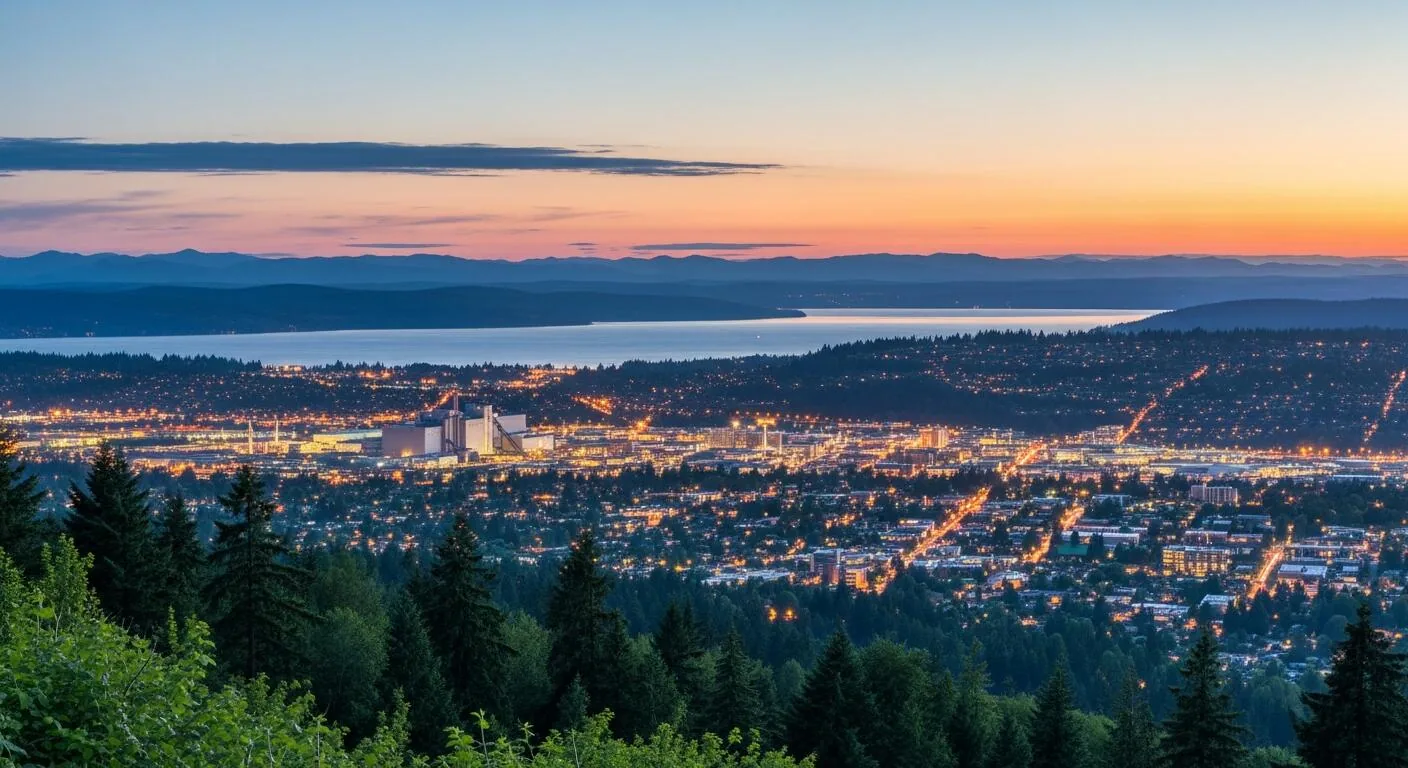
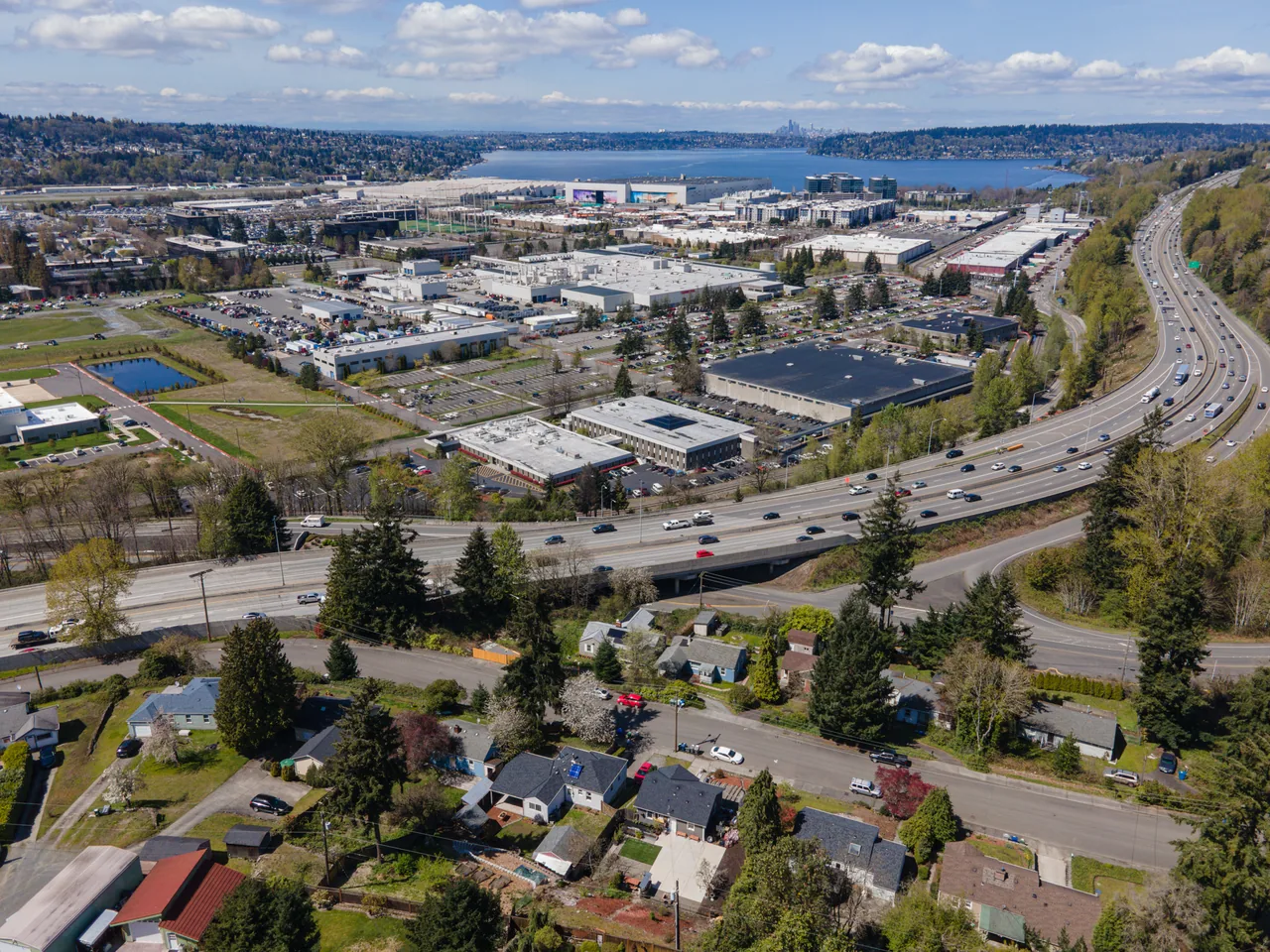
A Downtown Renton office building and a warehouse in the Renton Valley Subarea ask different things of a roof. A cool-roof decision should account for the building use, roof condition, equipment clearance and maintenance access, and reflectance alone does not set a utility result. We inspect those details before discussing a system.
Reflectance: compare the surface and the assembly
A reflective roof can reduce how much solar energy the exposed surface absorbs. The result inside the building also depends on insulation, air movement, internal equipment and how the space operates. We review the roof assembly and discuss which part of the heat load a roof change may address. That keeps the recommendation tied to the actual building rather than a color sample or a broad savings claim.
Before selecting a surface, we check whether the existing roof is dry, attached and suitable for the proposed work. A commercial roof inspection can document seams, penetrations and wet areas. A thermal pattern can guide the next check when conditions support that method, but it does not replace confirmation of the roof layers.
Water path: retain drainage through the work
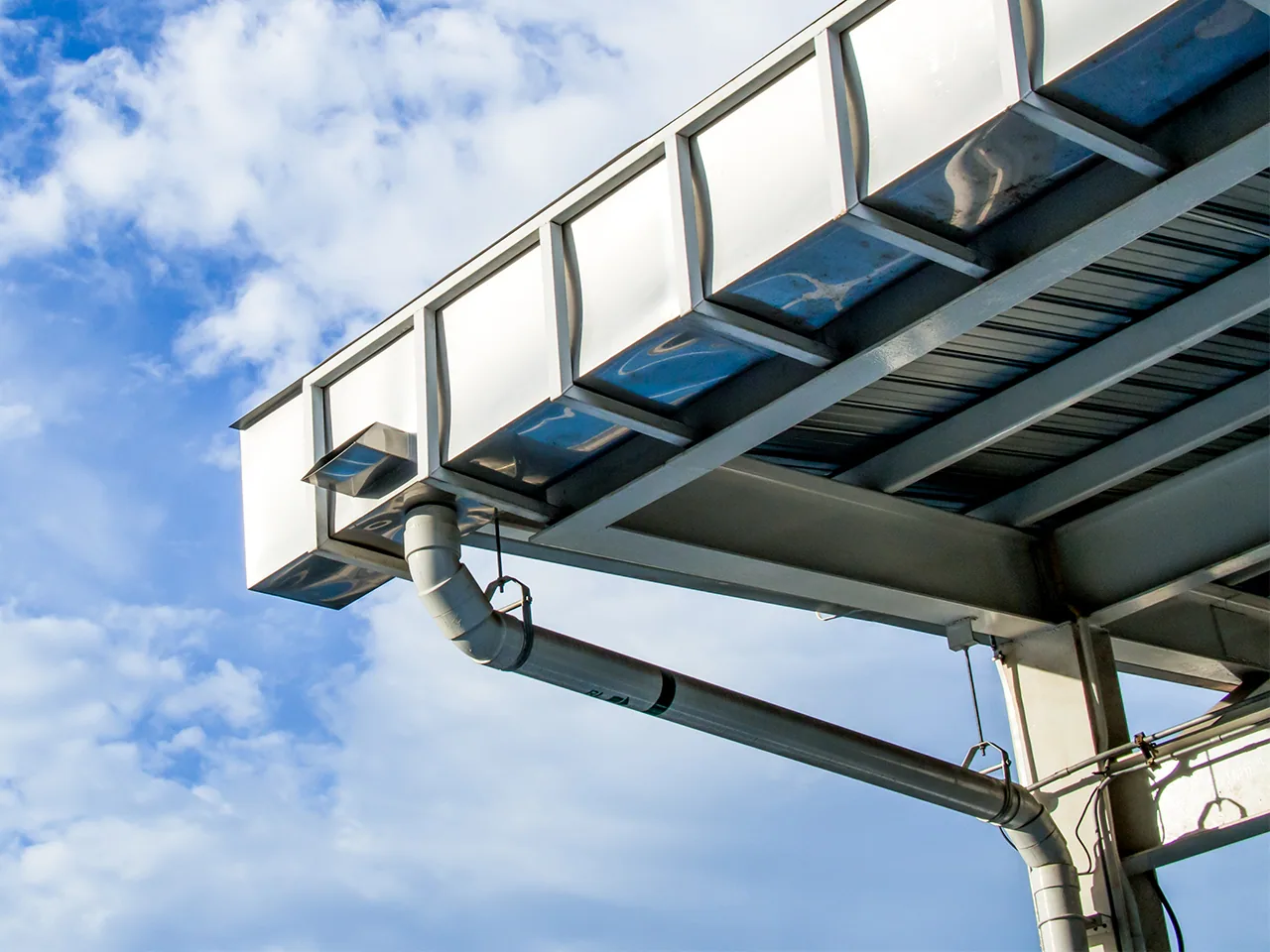
Reflective systems still need sound drainage and complete edge details. We trace the roof slope to drains and scuppers, check whether water sits near equipment, and inspect the flashing that meets walls and curbs. A coating or membrane change that covers a blocked outlet or weak transition can leave the original problem in place. The scope should say how those details will be repaired before a new surface is installed.
Sea-Tac averages show November and December precipitation well above the July monthly average. That seasonal contrast makes a review of outlets and laps useful when planning a Renton roof project. A drain and scupper check can identify a separate water-handling repair, and insulation and cover-board work can be evaluated when the existing assembly has a condition that needs correction.
System choice: match the roof to the use
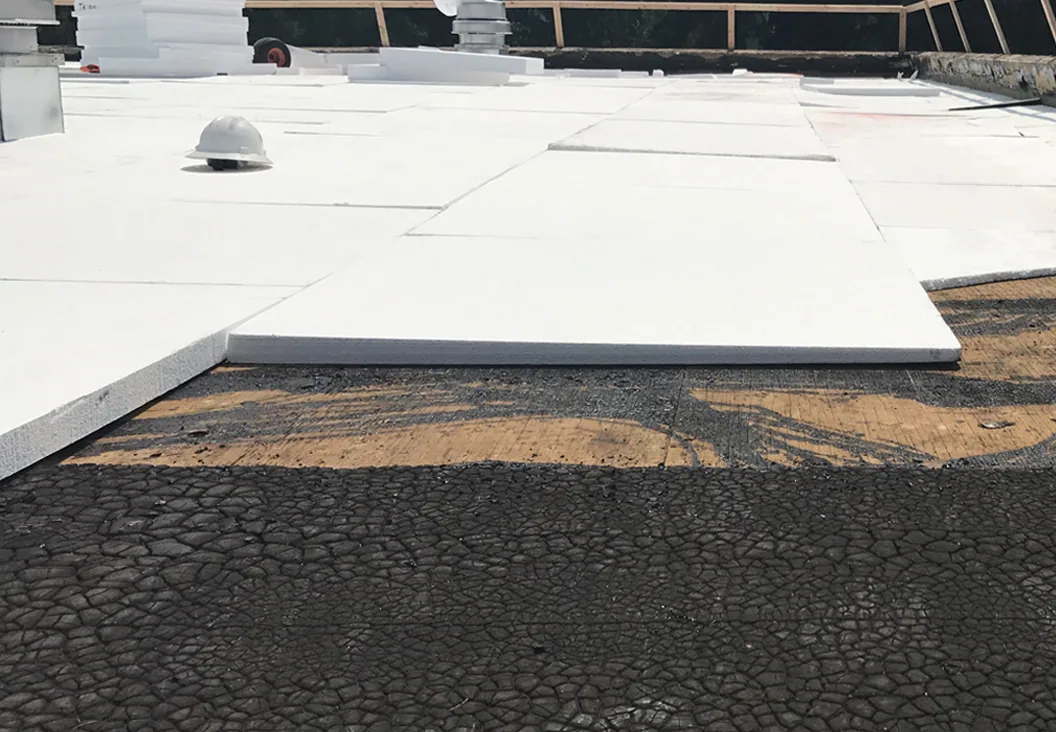
Cool-roof work can involve a reflective membrane, a suitable coating over an eligible assembly or a new roof system with a reflective finish. Each option has different preparation, seam, flashing and maintenance needs. We compare the existing substrate, attachment, slope and details with the requirements for the proposed material. If moisture or widespread failure is present, a surface change may not be the right next step.
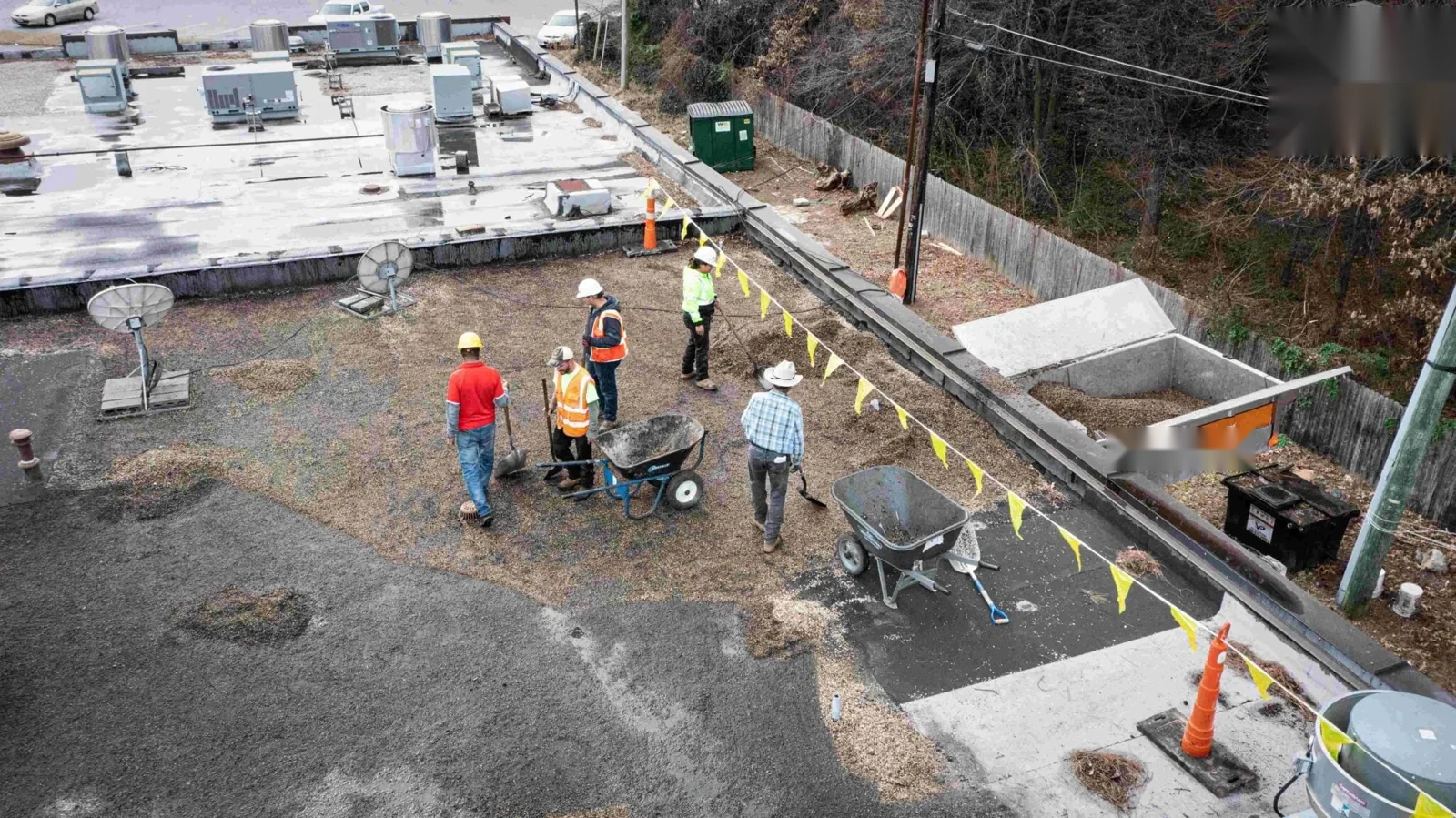
Properties with frequent equipment service need walk paths and clear access around curbs. In a warehouse or light-manufacturing building in the Renton Valley Subarea, those routes can also be part of receiving or maintenance operations. We mark where crews can stage material and which equipment areas must remain accessible. For a reflective TPO assembly or a silicone roof coating, the proposal identifies preparation and detail work instead of treating reflectance as the only decision.
Performance review: keep expectations tied to evidence
Energy performance depends on more than the roof surface. The building's insulation, HVAC condition, schedules, internal loads and controls all affect the result. We can describe the roof assembly, proposed material and available product data, but a building-wide energy forecast needs the appropriate engineering or utility analysis. The owner can then compare the roofing scope with other measures without treating a reflective rating as a forecast of utility savings.
During the roof walk, we note the membrane condition, insulation concerns, ponding, penetrations and any section that needs testing. If the assembly remains eligible for restoration, a coating restoration review can set out preparation and limitations. When broader failure changes the choice, a replacement scope can compare a new assembly with repair or recover options. For an operating site, we coordinate work areas with the contact and define the access window before materials arrive.
A surface with high reflectance still needs clean terminations at walls, curbs and roof edges. We check whether older sealants, loose metal or open laps would interrupt the new system, then list repairs before coating or membrane work. If an area cannot be prepared to the product's requirements, it should not be concealed by a finish layer. The owner can compare the accepted work line with excluded sections and see how each roof zone will be handled.
Project timing: protect the surface and the schedule
Installation timing depends on surface condition, forecast, product requirements, deliveries and the work area. We sequence preparation, repairs, membrane or coating installation and closeout so an unfinished edge is protected if weather changes the planned window. Roof access, rooftop equipment, intakes and work below active areas belong in that sequence. The property contact can identify any times when noise, staging or access must be limited.
For a commercial property in Downtown Renton, building entry and rooftop access may need coordination with occupants and building management. We record the sections completed, remaining work and any follow-up check in a roof condition report. Send the Renton address, roof plans, leak history and equipment information, and we will explain what the first roof walk can settle before recommending a reflective roof path.
On a multi-section property, one area may be ready for reflective material while another needs a leak repair or drainage correction first. We mark those boundaries on the plan and explain how the sequence protects completed transitions. A manager can then review staging, access and follow-up inspections without treating the roof as one uniform surface. The scope also identifies who will coordinate equipment or intake protection and which sections must remain reachable during later service visits.
Commercial Roofing Questions
Will a reflective roof lower this building's utility bill?
A roof surface can affect solar heat gain, but utility results also depend on insulation, HVAC performance, controls and building use. We can document the roof scope and product information; a building-wide savings forecast needs an energy analysis using the property's operating data.
Can a cool roof go over the existing membrane?
That depends on moisture, attachment, surface condition and the selected system's requirements. We inspect those conditions and identify repairs or testing that should happen before a coating or recover assembly is considered.
Does a reflective surface change drainage needs?
The roof still needs clear outlets, sound transitions and a drainage path that does not hold water against equipment or walls. We check the drains, low points and flashing as part of the system review, and list separate corrections in the scope.
What roof records help compare cool-roof options?
Roof plans, repair history, known leak areas, equipment locations and prior assembly information help us understand what is already in place. We compare those records with field conditions and note anything that requires confirmation before a material is selected.
Can installation proceed while the building stays open?
We plan the roof sections, staging and access window with the site contact. Some equipment or work areas may need a separate trade or limited shutdown, so we identify those handoffs before setting the sequence. The schedule also accounts for material movement and any route occupants or maintenance staff still need to use. We keep that plan with the roof record for later service visits.