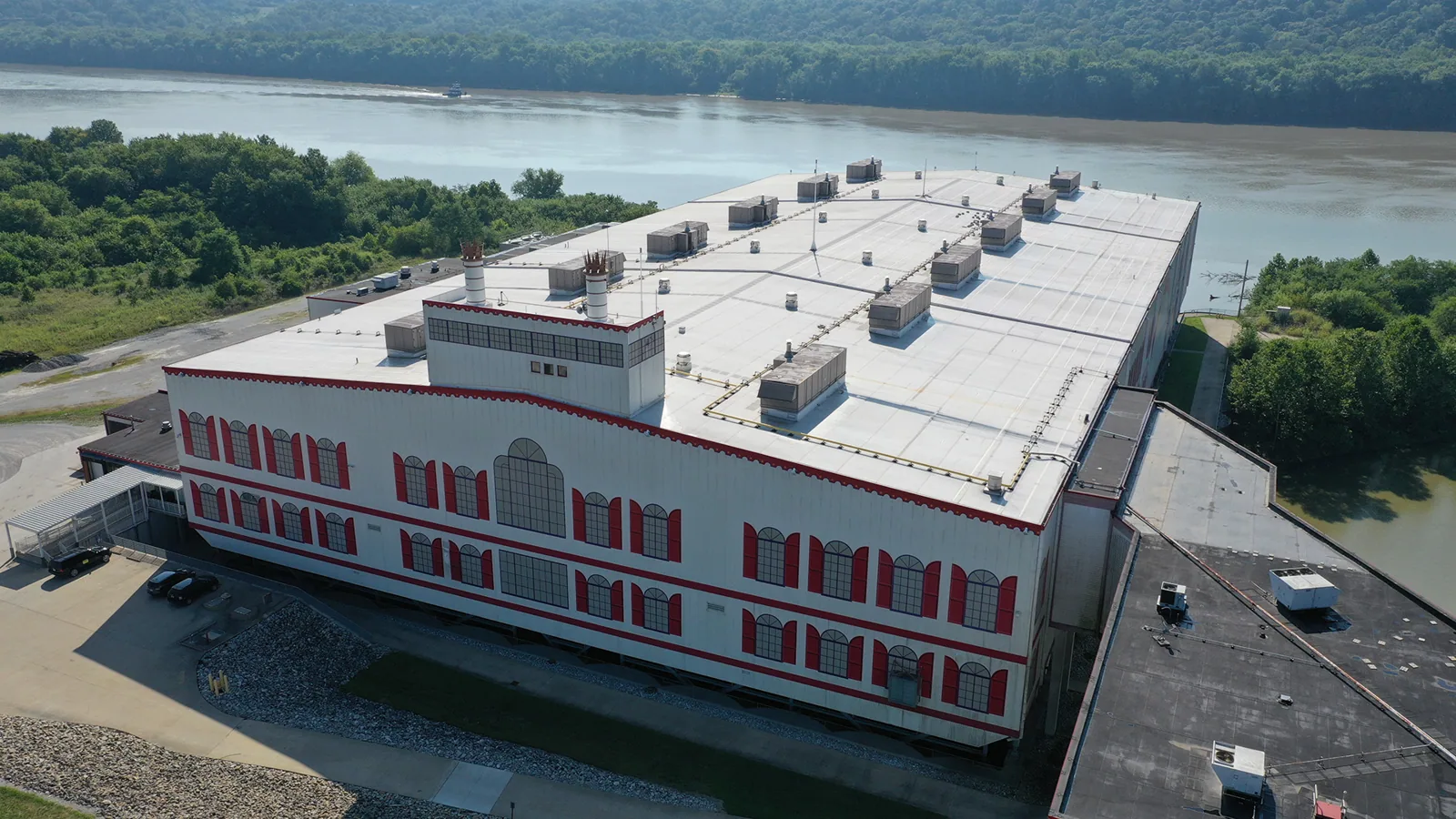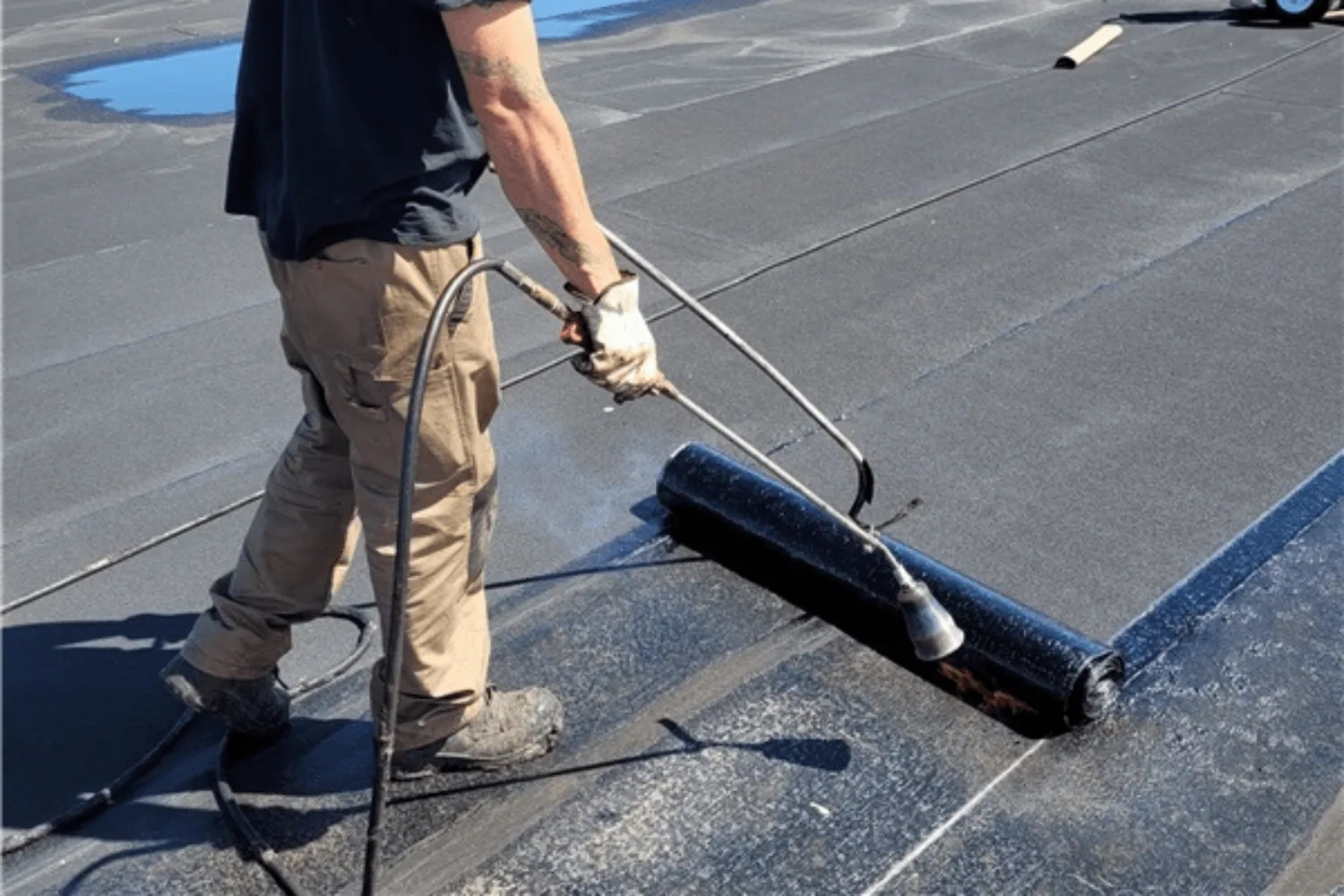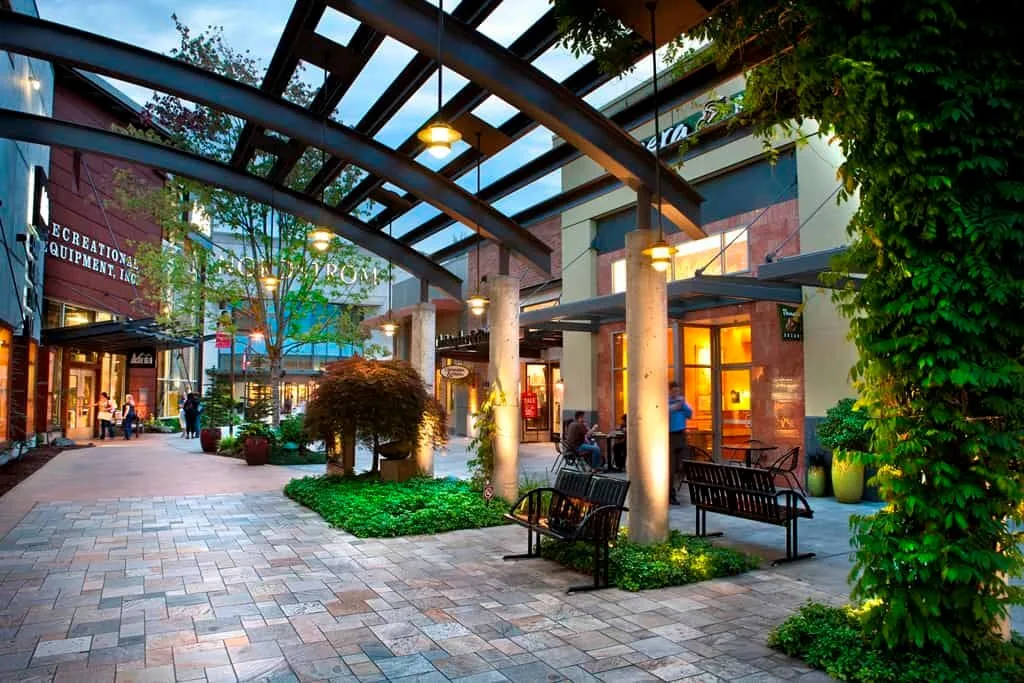
A leaking roof above an occupied room needs a clear water path before anyone expands the repair area. In Crossroads, we start at the ceiling mark, look above it for a curb, seam or drain connection, and record where the evidence points. Bellevue describes Crossroads as a densely populated, diverse area where large apartment complexes, established neighborhoods, restaurants and retail share the ground, so every roof walk is tied to the building and the owner's access plan.
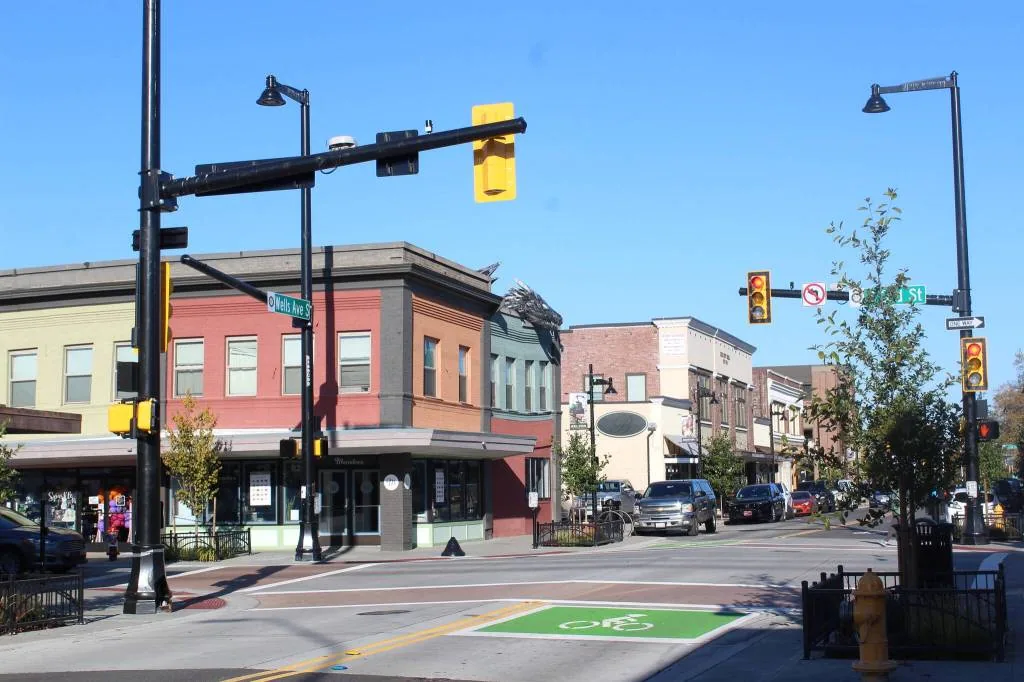
Bellevue also calls Crossroads a focal point for entertainment, cultural exchange, shopping and community services, which means entrances and sidewalks can be busy. A commercial roof inspection checks the membrane, flashing, drainage and visible wear, then gives the owner a documented repair line.
Occupied rooms: trace the leak above the symptom
Water can travel along a deck or beneath a membrane before it reaches a ceiling. We compare the interior mark with roof details above and around it, including pipe boots, equipment curbs, wall transitions and laps. If the entry point remains uncertain, we note the likely paths and whether a targeted test could narrow them. That avoids treating a ceiling stain as proof that the entire roof section needs replacement.
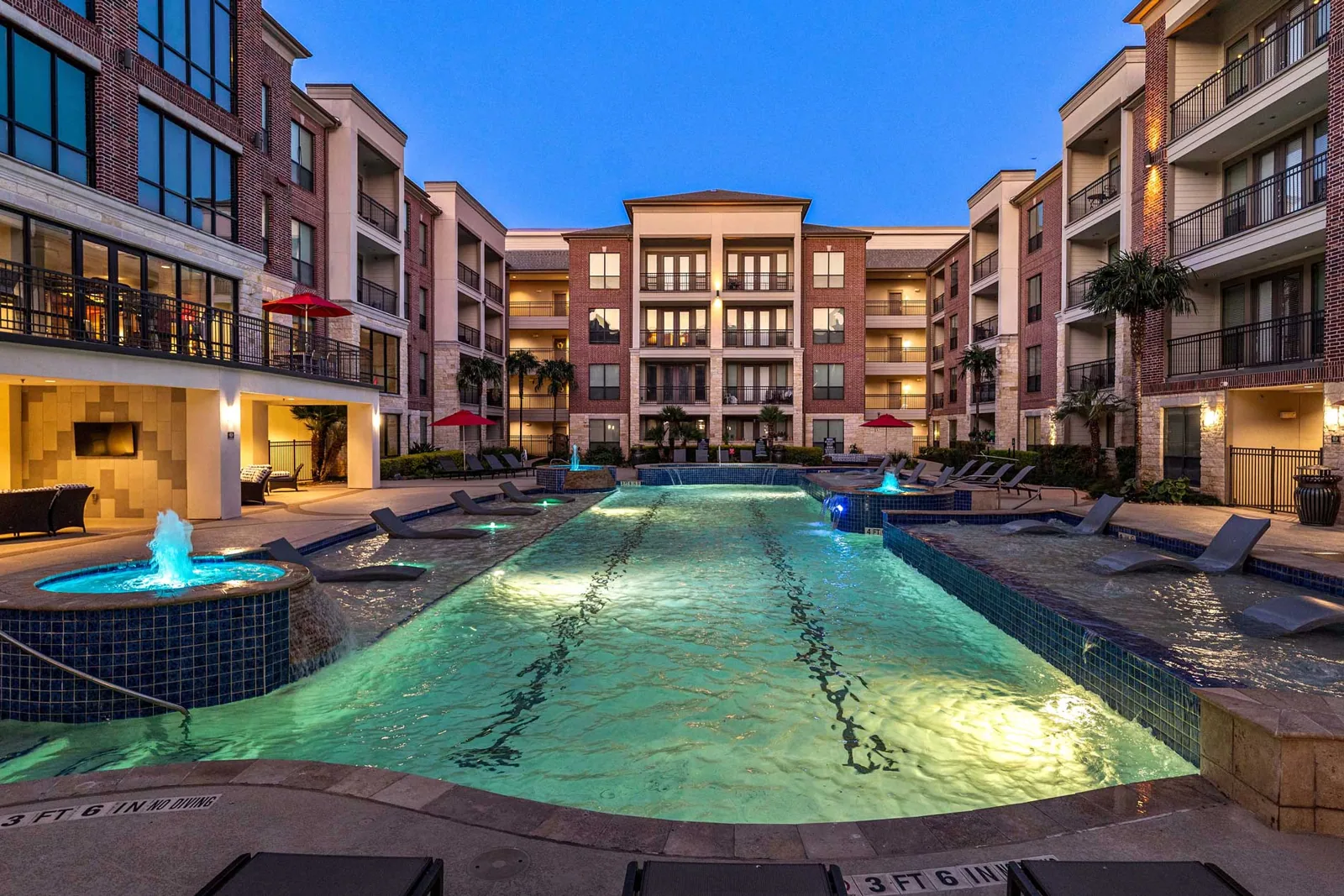
Crossroads includes large apartment complexes and established neighborhoods alongside restaurants and retail. That mix is a reason to confirm the specific owner's occupied areas and access restrictions, not to assume every property has the same roof or schedule. We agree on a roof entry and inspection route, identify equipment clearances and avoid disrupting areas outside the approved scope. A planned occupied-building repair sequence can keep access and temporary protection visible in the estimate.
Drainage: follow water to the outlet
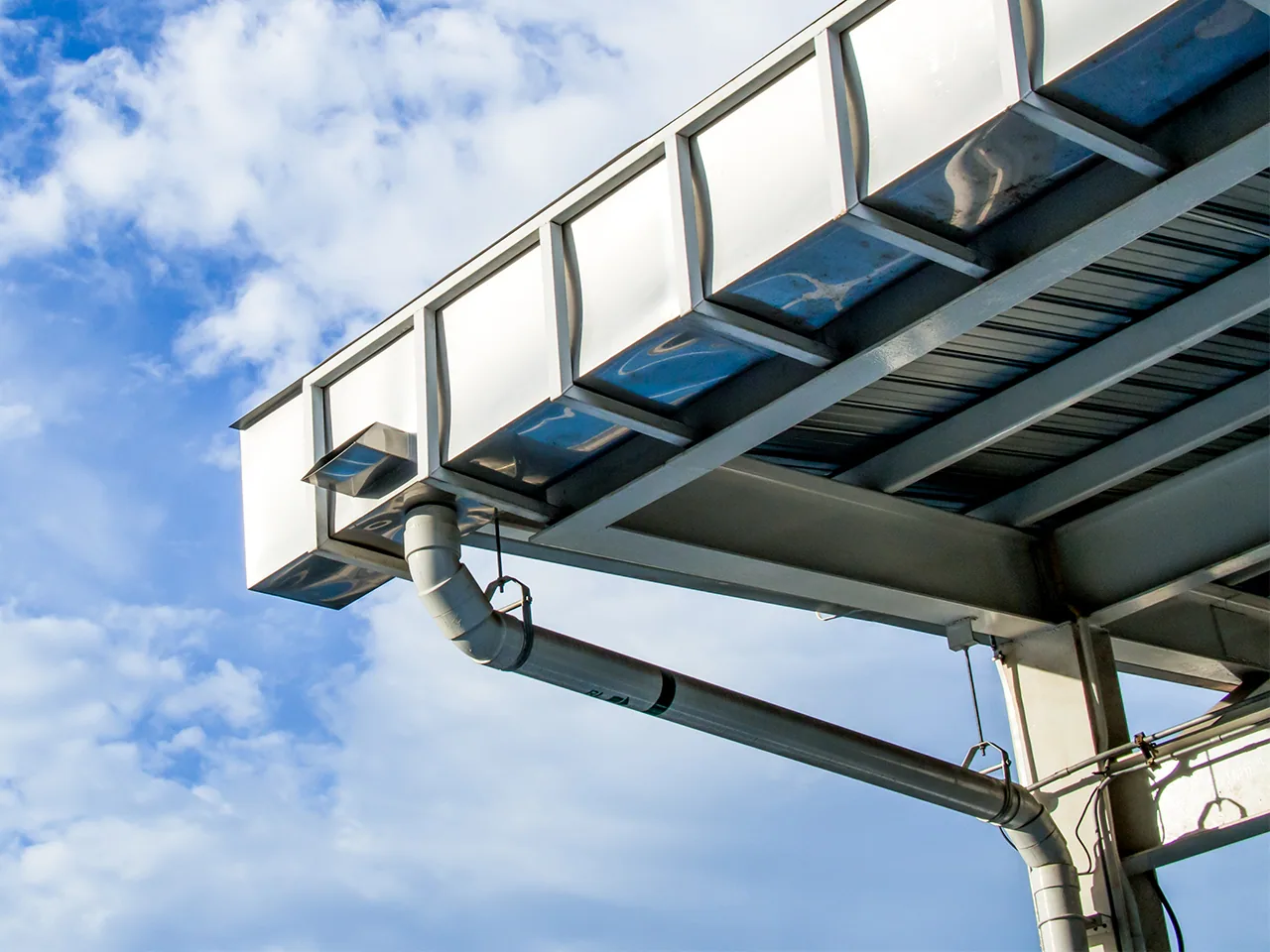
Water standing beside a drain may point to a restricted bowl, a low seam or a change in slope. We check the opening, connection, surrounding membrane and route toward the outlet, then photograph the condition. A scupper needs its own look through the throat and at the membrane tie-in. If water is moving poorly because debris blocks the outlet, that is a different repair from a loose lap that holds water against the drain.
When one building at a property shows a slow drain, the same detail on its neighbors deserves a quick look the same day, since buildings put up together tend to be built alike. A short list of the outlets checked, by building, goes into the record.
Sea-Tac's normals run far wetter in November and December than in July, which supports reviewing drains before the wetter stretch when the roof is accessible. We clear only the items included in the approved scope and document any damaged connection separately. A focused drain and scupper service can be priced beside membrane work when both conditions are present.
Flashing: check each turn and termination
At a curb or wall, flashing changes direction, and each turn needs a secure tie-in. We inspect corners, laps, fasteners and sealant for separation, then check the membrane below for movement or trapped moisture. A small open edge may be repairable if the substrate is dry and the surrounding system is bonded. If the detail has failed repeatedly or water has spread beneath it, we show where the scope needs to widen.
Repair materials depend on the assembly we verify. A thermoplastic membrane can accept a heat-welded patch when prepared properly, while other systems require their own compatible detail. We do not choose from color or a district label. Records, visible seams and a test when needed help identify the system. For nearby properties with a known apartment roof or restaurant roof, access and rooftop equipment can affect the work plan, but the repair remains specific to that property.
Repair options: separate known work from questions
A short, isolated seam failure with sound material on either side may call for a local repair. If several details have opened, water has reached insulation or the substrate moves, a larger repair or replacement may be more supportable. We mark the limits and describe preparation, materials and any test that could change the line. The owner can compare costs without treating unconfirmed moisture as a measured quantity.
Coating or recover can be considered only after checking adhesion, drainage and the condition below the surface. It will not correct wet insulation or loose attachment just by covering it. We can price a targeted roof repair beside a restoration option and explain when replacement should be compared. Access and staging still need to be confirmed for the actual property.
Work window: plan for daily activity
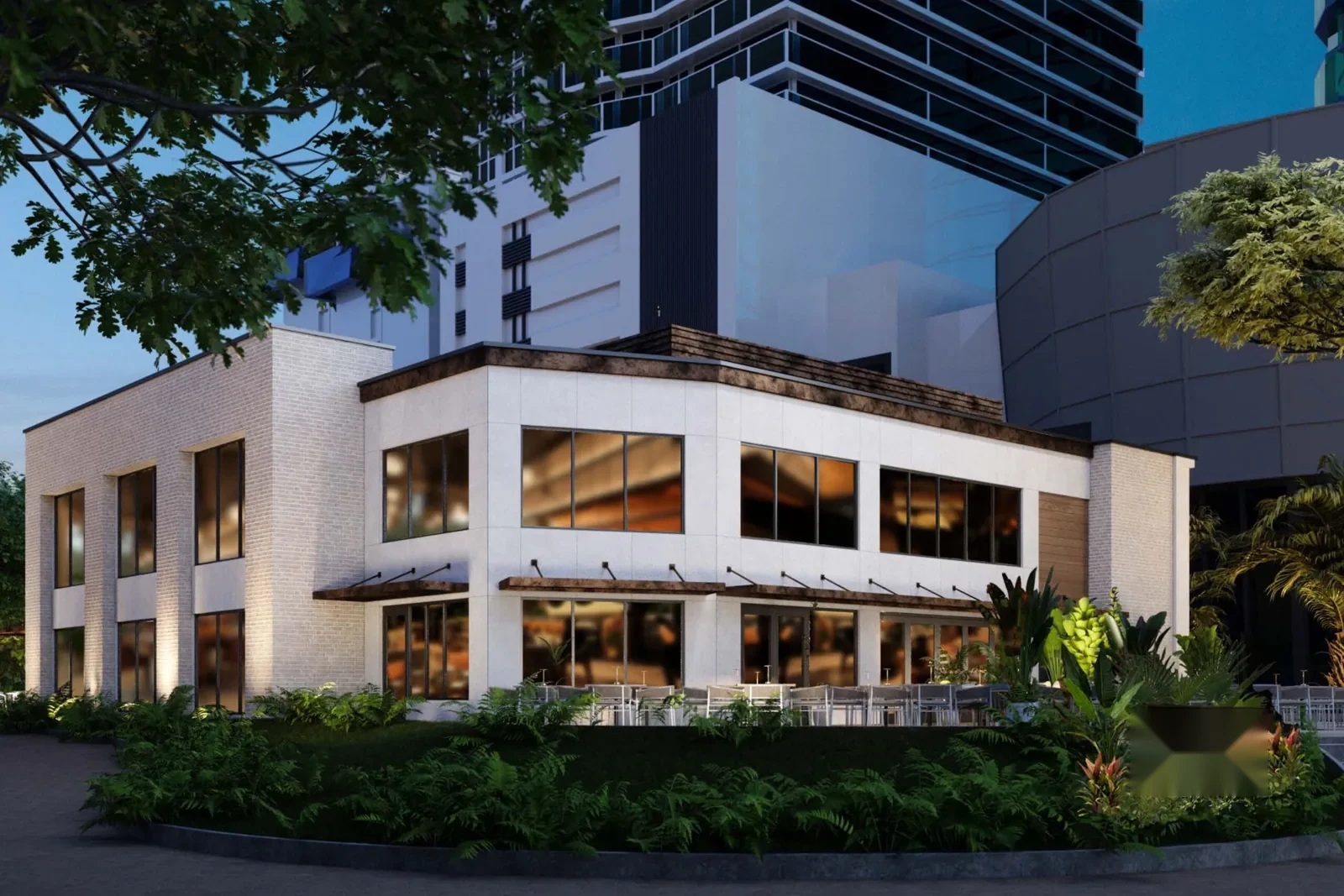
Community services, restaurants and retail all sit in Crossroads, so access hours vary from building to building. We confirm the property contact, approved entry, staging location and any path that must stay open. A roof walk can then focus on the affected section, with equipment service clearances and tenant activity recorded before a repair is scheduled. If lifting materials or closing an area is required, that assumption belongs in the estimate.
Rain, surface moisture and temperature can change whether a membrane is ready for permanent bonding. When the roof is wet or the repair boundary is unclear, temporary protection may be separate from the lasting work. We explain the condition that must be resolved and plan the return for a suitable window. That gives the manager a sequence to coordinate with occupants and other trades, rather than a completion date detached from the roof's condition.
Service record: leave a usable next step
A service record should connect each photo with a roof location, observed detail and next decision. We note a lifted lap, open flashing corner, slow outlet or suspected moisture area, along with the evidence that supports repair. If a test could change the removal boundary, we say what it is meant to resolve. The owner can compare those notes with warranty documents, prior repair records and any roof plan before approving the next phase.
Bellevue places Crossroads among its established business districts rather than treating it as one shopping property. An owner with another building in Southcenter or Tukwila South gets a separate inspection and record. For a Crossroads property, share the address, room or area where water appeared, prior roof notes and an access window. We will inspect the actual assembly, trace the water path and explain which part of the scope is confirmed.
Commercial Roofing Questions
Is Crossroads one shopping center?
No. Bellevue describes a broad, established business district with apartments, neighborhoods, restaurants, retail and community services. We work at that area level and confirm the roof condition at each property.
Can a leak above an occupied room be repaired without closing the whole building?
Often the roof work can be limited to a section, but access and protection depend on the building and the condition found. We agree on the route and any temporary restriction with the property contact before work starts.
What if the roof drain is clear but water still pools near it?
We inspect the surrounding membrane, seam and slope rather than assuming the drain is the only cause. A raised lap or changed substrate may hold water, and the estimate should identify that detail separately from outlet cleaning.
When should a moisture test be added to a repair scope?
A test is useful when concealed moisture could change how much material must be removed. We identify the area and decision the test would inform, then keep its cost separate from confirmed repair work.
How do Crossroads businesses prepare for a roof walk?
The property contact can identify an approved entry, access window, equipment limits and any route that needs to remain clear. We use those details to set a safe inspection path.