A lifted membrane corner beside a rooftop unit can admit water long before a ceiling mark appears. In Bellevue, WA, we begin by checking the flashing, nearby seams and the low route to an outlet, then match the finding to the building's operating limits. Wilburton is a Bellevue district with a long-range vision for office and medical, residential, retail and hotel uses. That mix makes access and work sequencing part of the roof decision, while the actual assembly and condition must be confirmed at the property. We keep the repair line tied to what the roof shows.

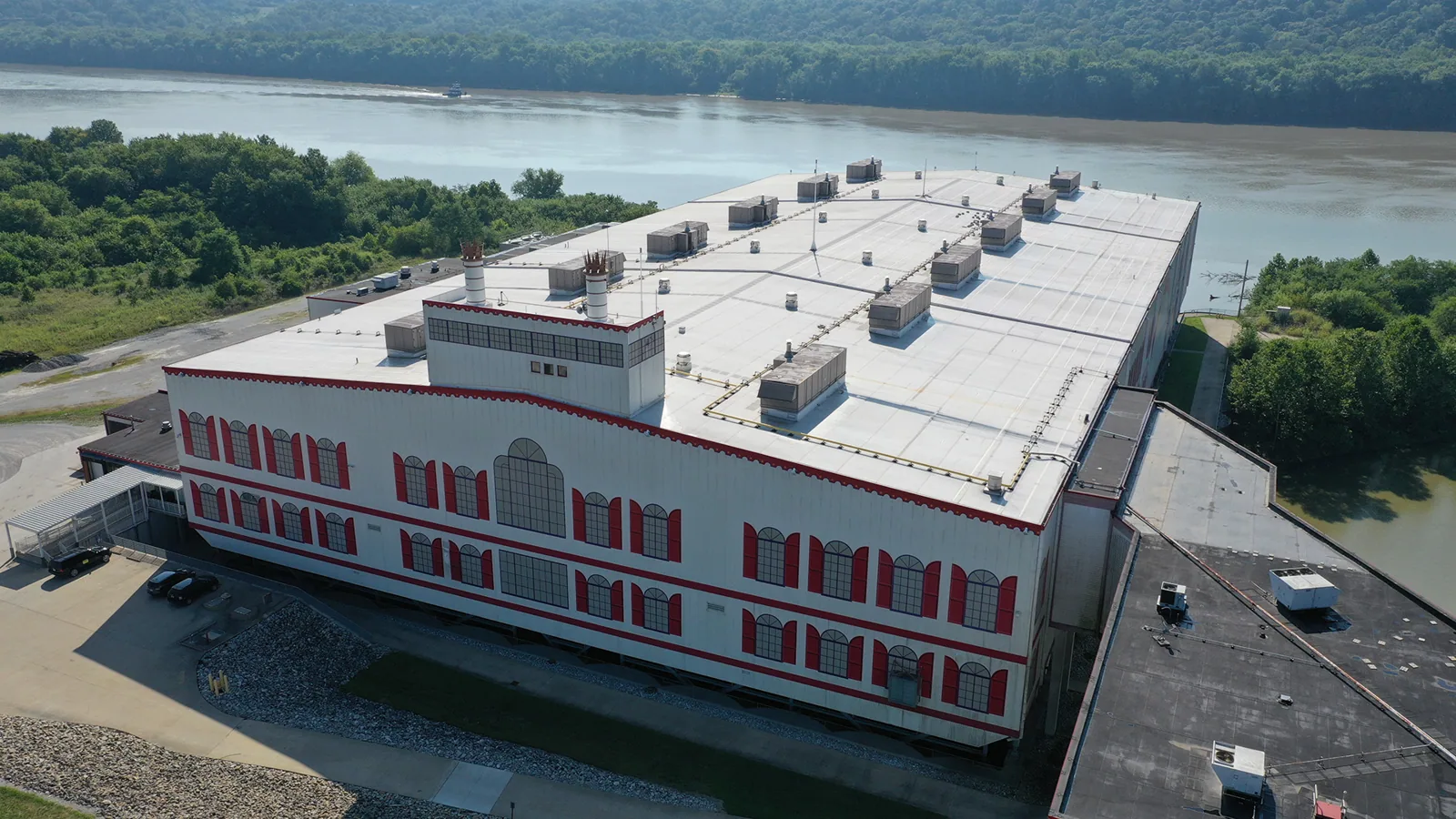
Bellevue's adopted Wilburton vision covers roughly 300 acres and guides transit-oriented, mixed-use development. The first walk records membrane type, drainage, penetrations and previous patches. We can compare a commercial roof inspection with the owner's roof history and decide whether a focused repair, restoration or larger scope fits the condition.
Roof transitions: check the places that move
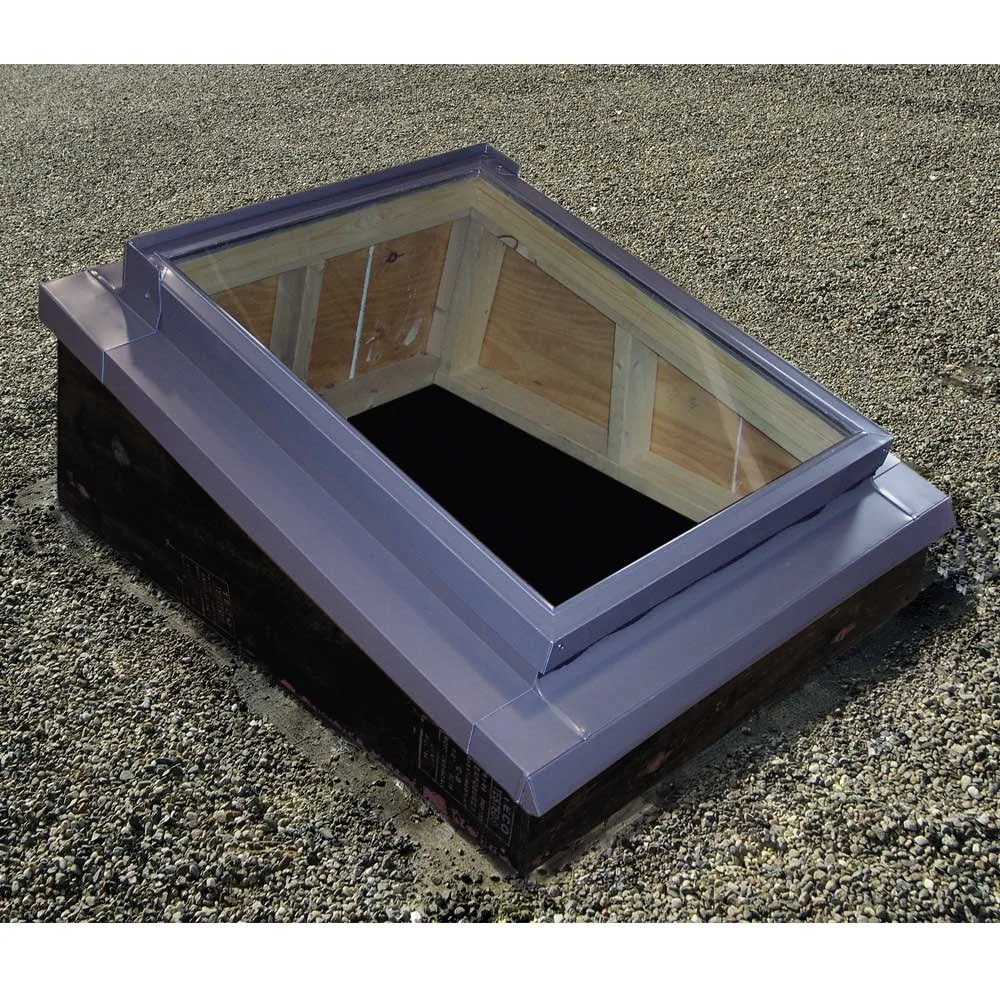
Curbs, pipes, walls and edges interrupt the roof field. Each transition can respond differently to movement, water and prior work, so we inspect the connection rather than judging it from a distant photograph. We look for open laps, loose metal, split sealant and signs that water has traveled beneath a patch. On an occupied office or medical property, the route to those details may cross controlled spaces or sit above sensitive rooms. We confirm access before the visit and note any area we could not reach.
A roof with one failed curb detail may need a prepared flashing repair; widespread loose seams call for a broader review. A penetration and flashing scope can separate each opening from the field membrane. We identify the installed material and seam method before choosing a repair, and do not assume the roof system from the district's planned uses.
In a redevelopment district, a roof may be tied into a new addition, a podium or a neighboring wall, and each tie-in is a flashing detail that an earlier drawing may not show. We locate those joints early and note who built each side, so a leak at the joint can be assigned to the right scope.
Drainage route: follow the water to the outlet
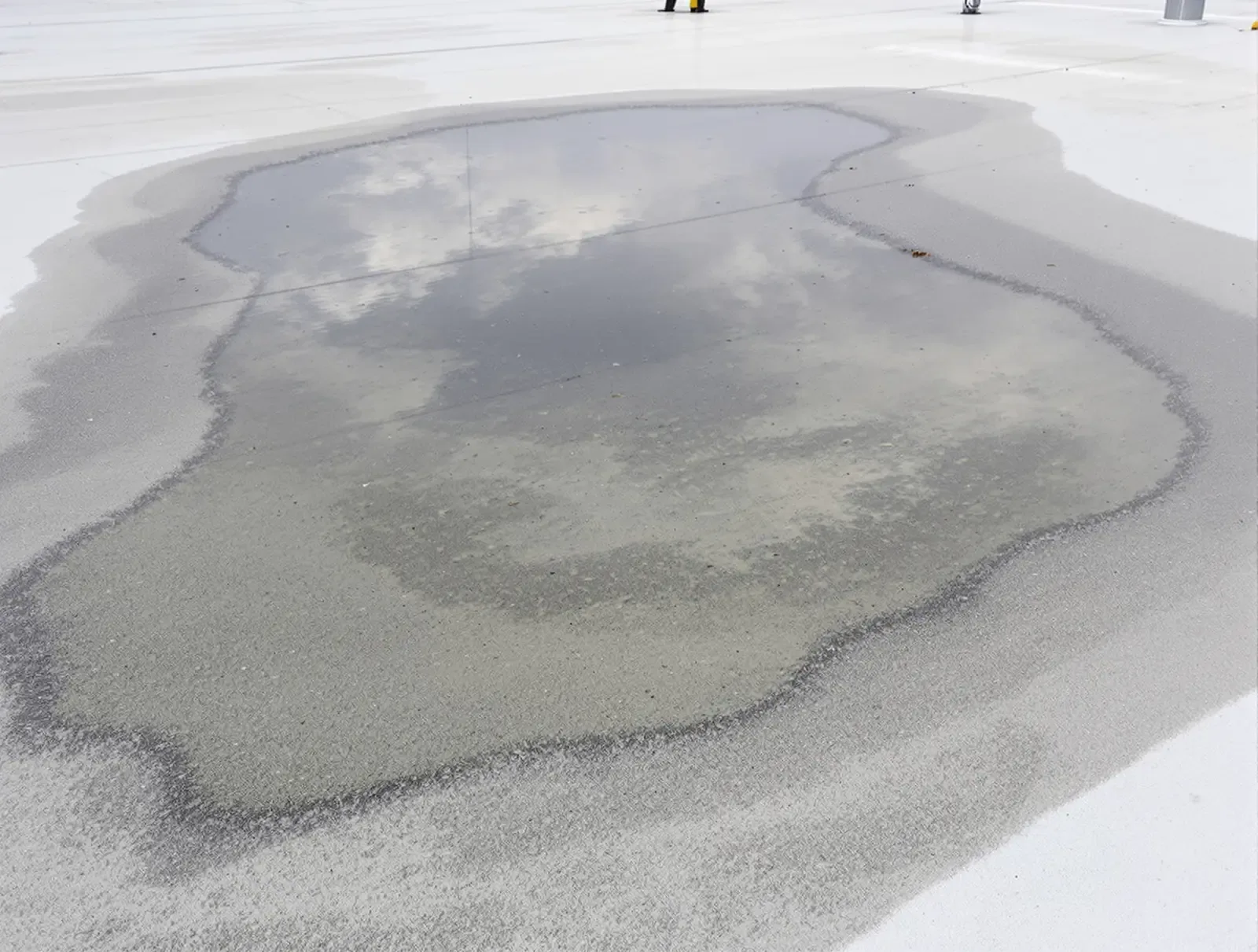
Water left at a low point can keep a seam wet and make an otherwise small defect harder to isolate. We follow the slope toward drains, scuppers and overflows, check for debris or a blocked connection, and look for overflow marks at walls and edges. If the outlet is clear but water remains, slope, deck movement or saturated insulation may be involved. A test opening is proposed only when its result could change the repair or replacement decision, and the owner approves the location first.
Sea-Tac's normals show a wetter November and December than July, and that habit makes a useful inspection question: will the current outlet route handle the next period of rain? Drain and scupper work can address a confirmed restriction, while a ponding-water assessment looks at the low area and what lies below it.
Work sequence: keep the occupied areas in view
Roof work over active offices, clinics or retail space needs a clear access route and a safe stopping point. We confirm where tools can travel, whether equipment needs clearance and which rooms or entrances need protection. If a repair requires cutting into the assembly, the scope identifies the test area and the question it should answer. A patch or temporary closure must leave the roof secure at the end of the work period, and material staging should not block service routes.
Wilburton's planning vision includes several types of future use, but a project schedule depends on the property that is operating now. For an occupied building, phased reroofing can define work zones and communicate when access changes. If the confirmed defect is smaller, a targeted repair may avoid opening unaffected areas. We set the sequence around field conditions, weather and the contact who can authorize entry.
Repair or replace: compare the evidence
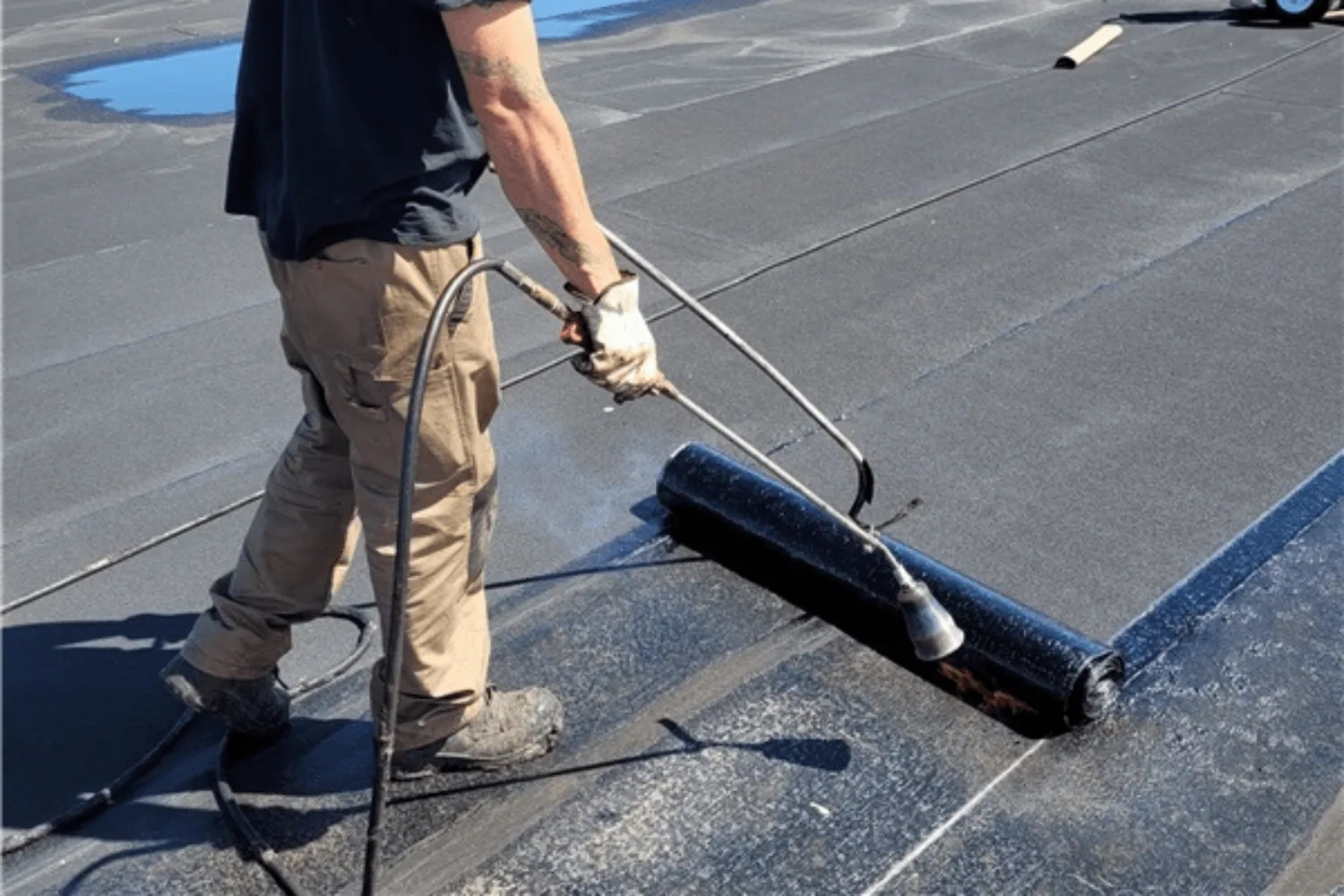
A localized opening, failed seam or loose edge may be repairable when nearby material remains attached and dry. We prepare the surface, restore the detail and record where the work ends. If moisture extends under the field or prior patches have failed repeatedly, the scope may need moisture testing or a wider opening. A coating can protect a suitable, prepared surface, but it cannot correct a wet assembly or weak deck. A recover also depends on existing layers, attachment and applicable project requirements.
When those conditions support continued use, restoration or recover work can preserve serviceable material. When they do not, replacement can expose the deck and address concealed problems. The scope should state preparation and transition limits, separate removal from insulation and membrane work, and identify the metal details that need rebuilding. We give the owner confirmed conditions and the assumptions that could change after an approved opening.
Roof record: make the next visit easier
Photographs help when they point to a specific curb, seam, outlet or repair boundary. We note what was tested, what stayed dry, the material visible at an opening and any condition outside the approved scope. That record lets a property manager compare a later leak with the same detail instead of relying on a ceiling stain alone. For Wilburton properties with different uses, each roof record stays attached to its address and access notes.
An owner with another building in Bellevue's Crossroads district or Renton's Valley Subarea, which the city describes as largely industrial and warehousing, gets a separate record for each address, tied to its access notes, condition and repair limits. A condition report keeps those observations and next checks usable for the owner.
Commercial Roofing Questions
What should I send before arranging a Wilburton roof walk?
The Bellevue address, leak location, roof plan if available, previous repair notes and access instructions give us a useful starting point. Photos can help locate the interior mark and nearby roof detail, but they do not replace the inspection. We confirm who can authorize entry, whether equipment or occupied rooms need protection, and which work window can fit the building.
Can one leak be repaired without disturbing the whole roof?
A contained leak can support a limited repair when its entry point and boundary are clear and nearby material remains sound. We check adjacent seams, flashing, drainage and insulation signs before pricing the work. If water has traveled beneath the surface or prior repairs have failed around the same area, testing may be needed to define a reliable limit.
Does Wilburton's redevelopment vision affect a roofing proposal?
The district vision provides context for the mix of uses Bellevue expects over time, but the proposal follows the current building and project requirements. We inspect the installed assembly, access route, operating schedule and records, then note any approvals or coordination that could affect work.
When is a recover a reasonable option?
A recover may fit when the existing layers are dry, secure and allowed for the project. We check attachment, insulation, deck condition and transitions before recommending another layer. If moisture or instability is present, covering it would leave the cause in place. The scope should say what is known, what needs testing and what condition would lead to a tear-off instead.
How do you plan work above an active clinic or office?
We confirm entry, staging, equipment clearance and any rooms that need protection with the building contact. The work area can be phased when the roof details and weather allow a secure daily stopping point. Noise, material moves and temporary protection go into the sequence before mobilization, and any inaccessible section stays identified in the record.