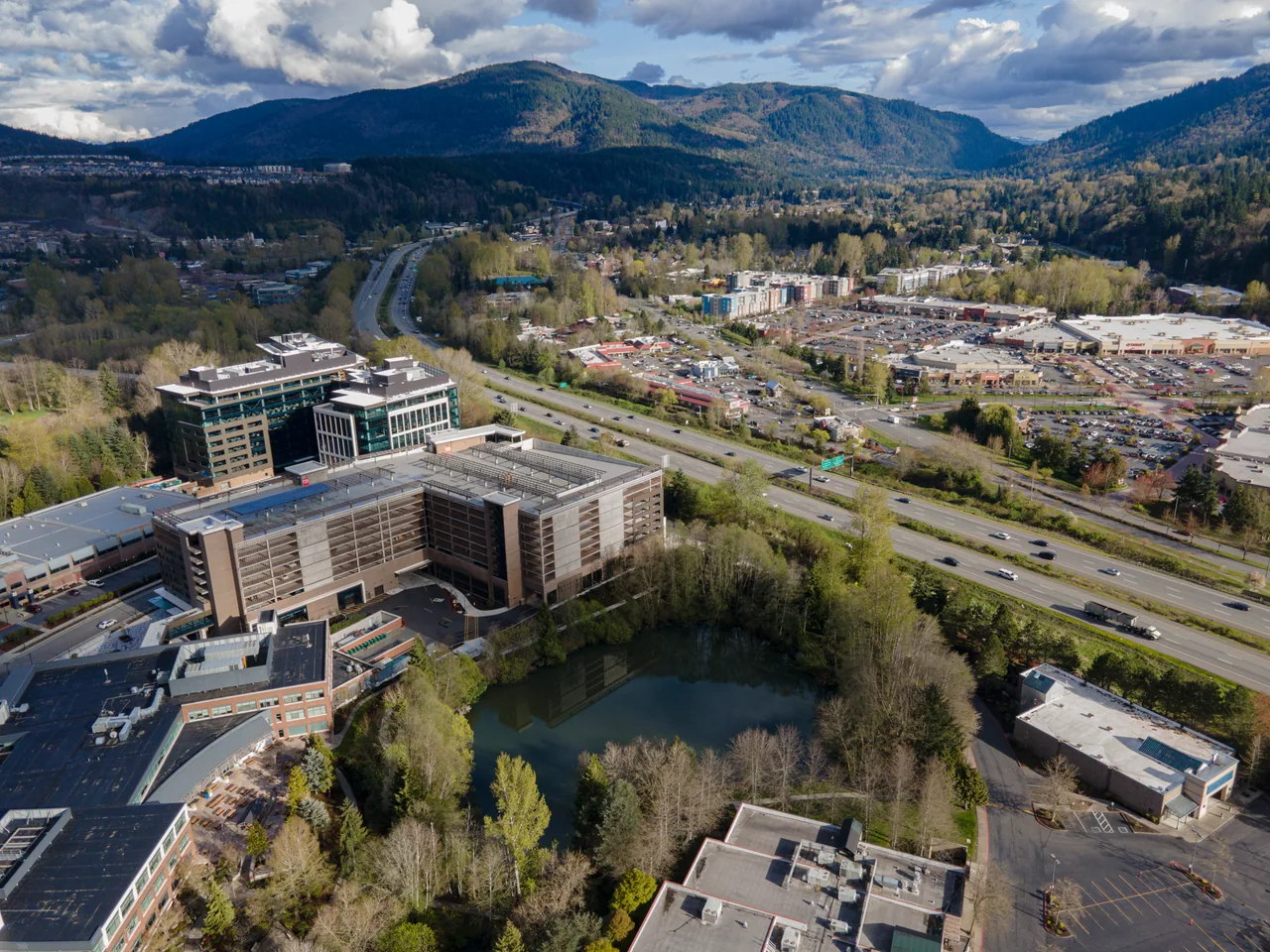
A roof leak at a curb can travel beneath the membrane before it shows at a ceiling joint. In Central Issaquah, we begin at the reported mark and follow the likely route through nearby seams, metal and drains. Issaquah's plan describes this 1,100-acre commercial core as intended to evolve into a more urban, mixed-use district, so our inspection starts with the building's own records and visible details.
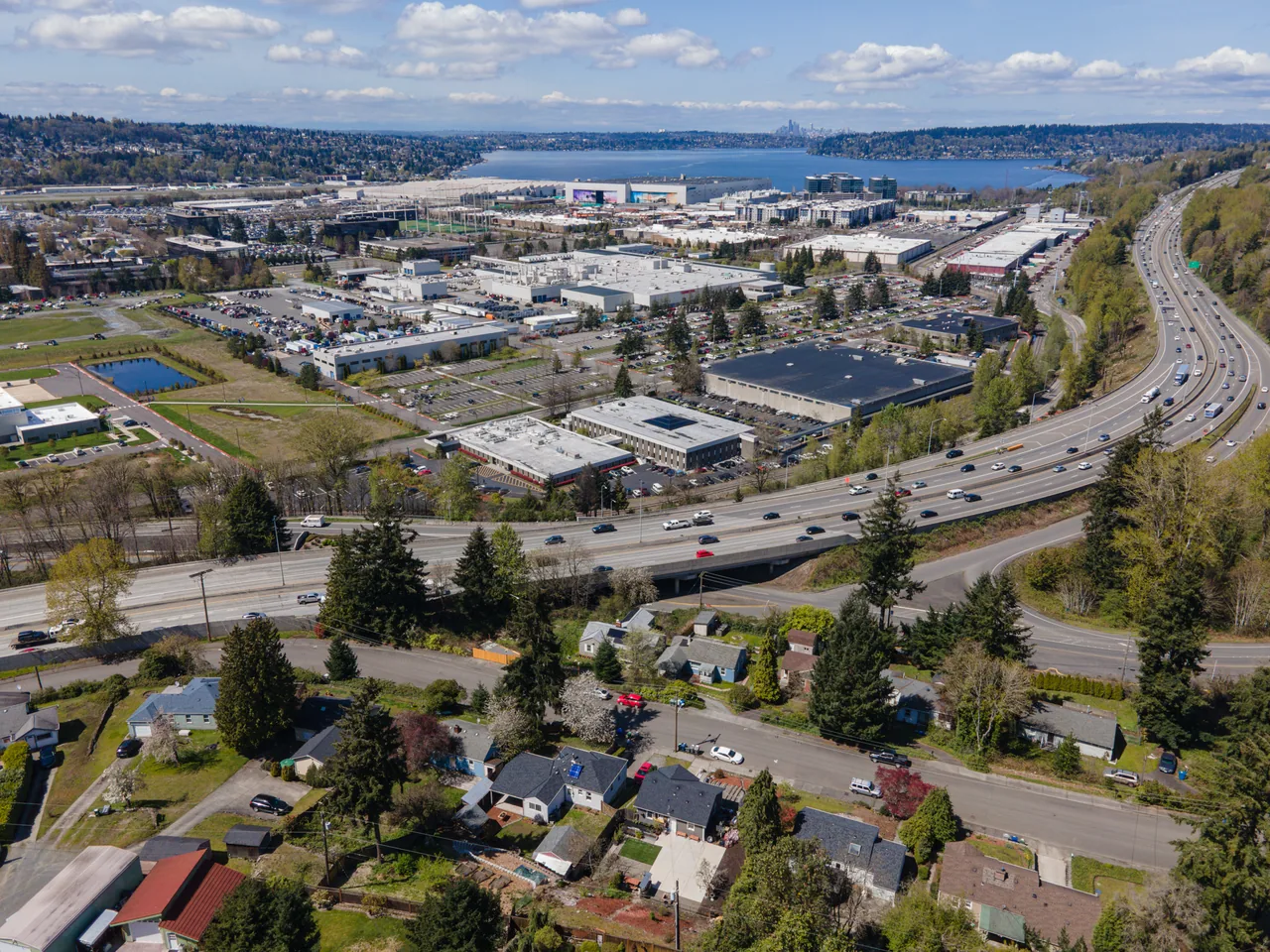
The plan directs growth toward the valley floor and connects land-use choices with transportation, infrastructure and environmental planning. A commercial roof inspection records the membrane, water path, edge details, access conditions and next test needed, giving the property contact a basis for choosing repair or further investigation.
Infill context: verify the existing assembly
Issaquah says few large undeveloped sites remain, with infill and smaller-site redevelopment expected to contribute to future growth. On a project that touches an existing building, the roof history can be as useful as a new drawing. We compare visible seams and flashings with available service records, note any altered areas and identify which assembly is present before selecting materials.
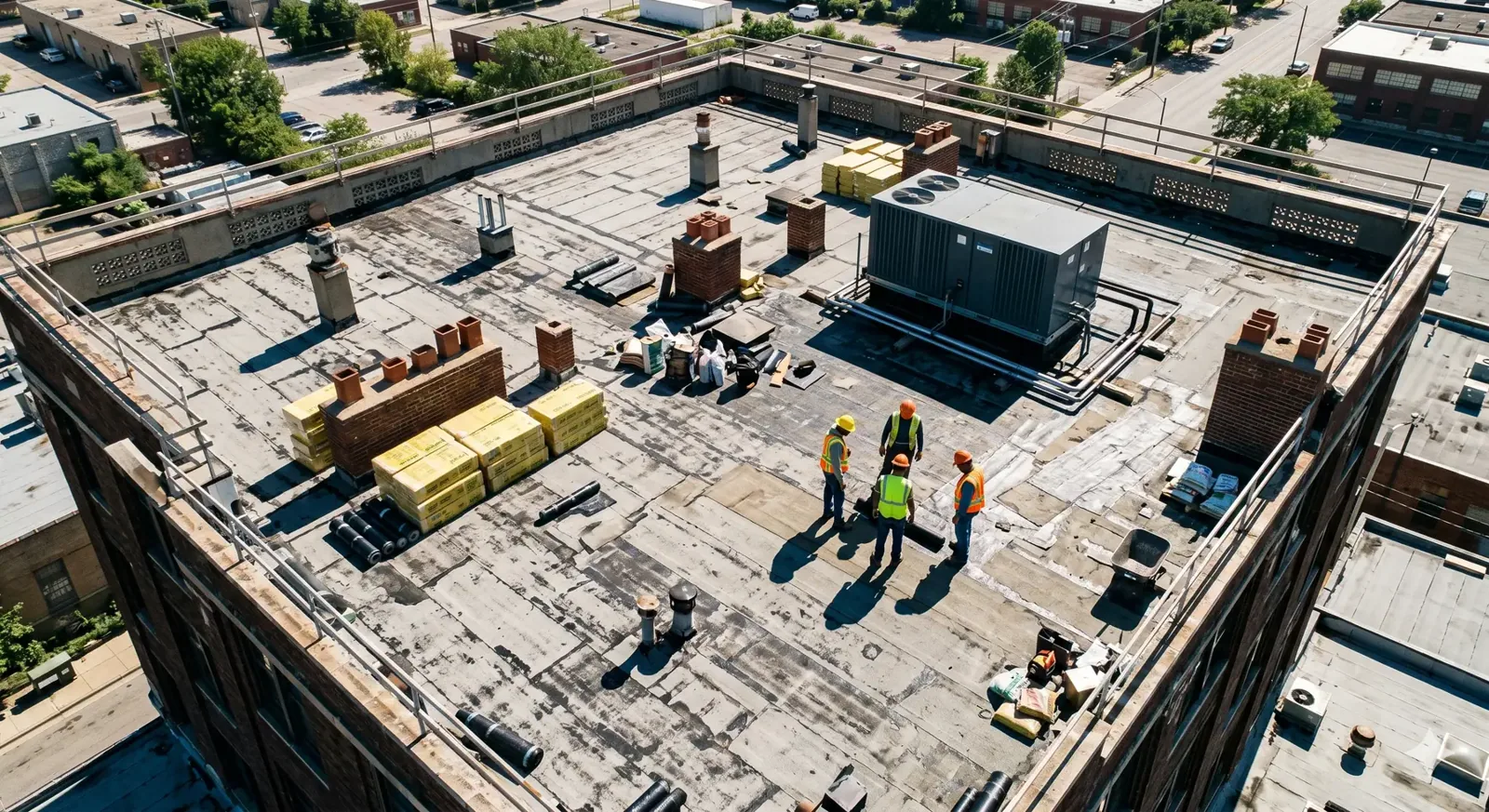
A roof walk also needs to respect the property's current operation. We confirm the access point, roof hatch or ladder condition, equipment clearances and any routes the owner needs to keep open. If an infill project changes the roof edge, curb or drainage path, those details can affect the repair boundary. We photograph each transition and note whether the condition calls for a repair, test or coordination with another trade before the scope is priced.
Water path: connect the low point to the leak
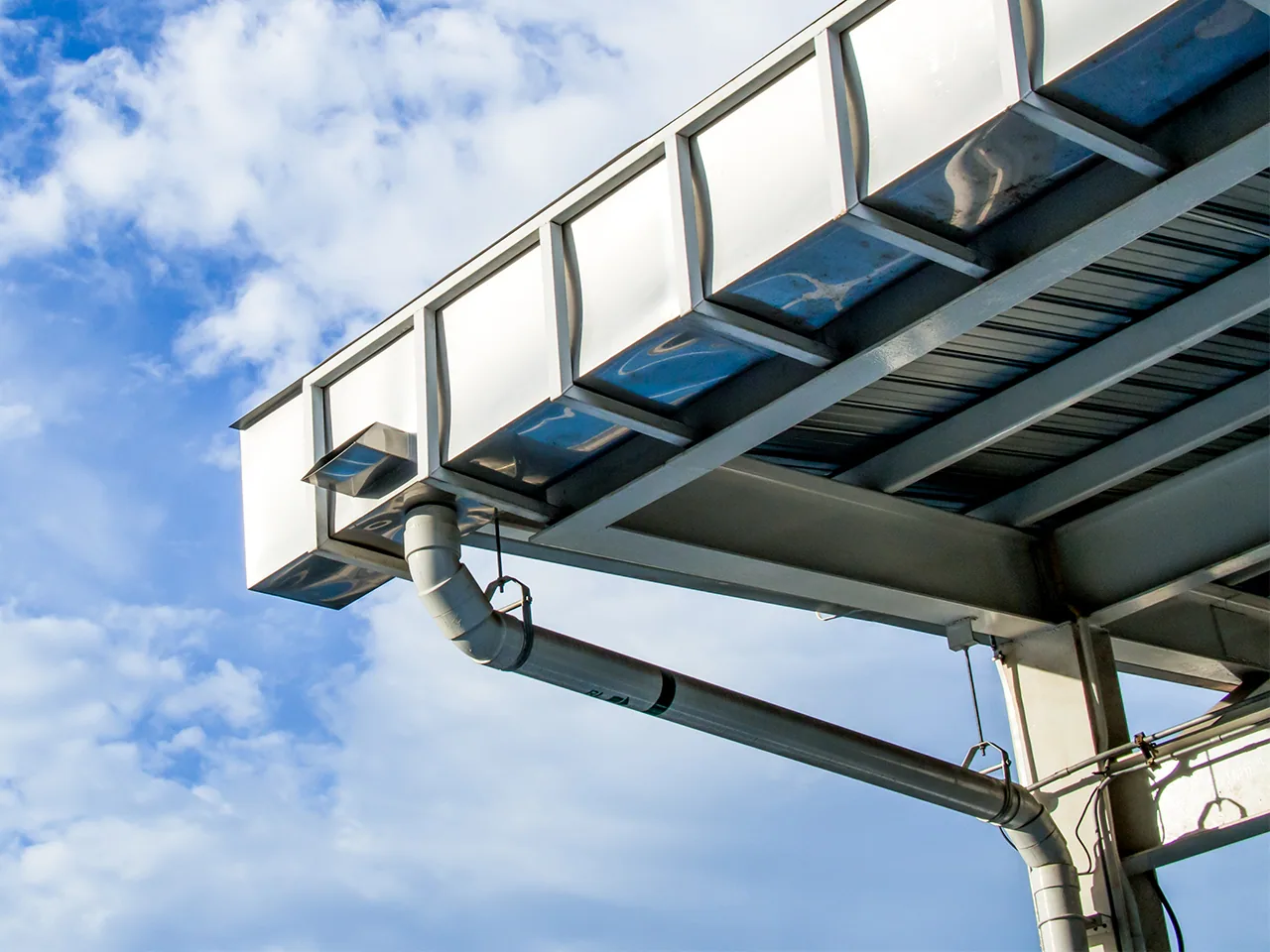
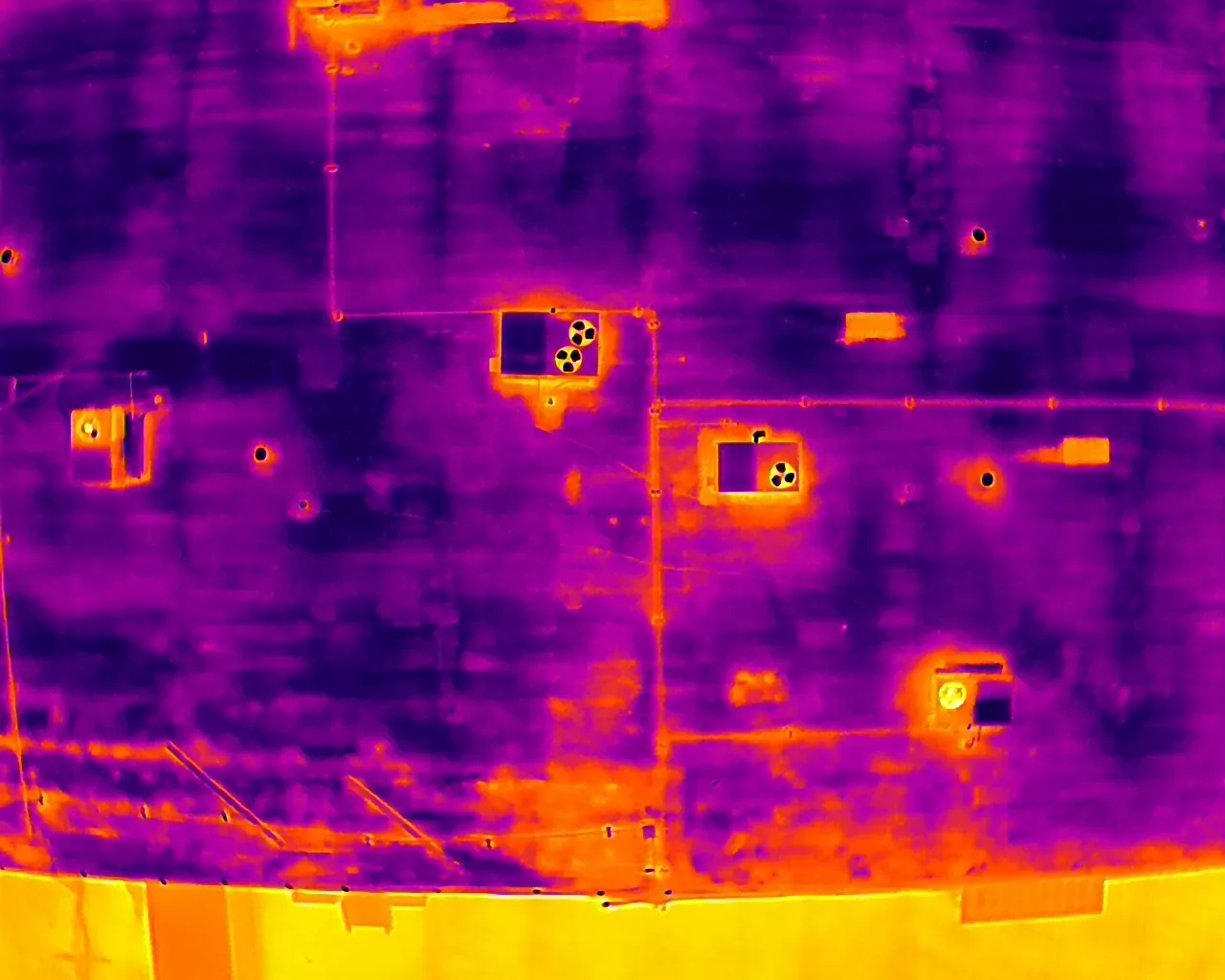
Water follows the roof's slope, insulation and interruptions. We check the low point, drain bowl, scupper throat and membrane tie-in, then trace seams that could redirect flow toward an edge or curb. A blocked outlet and a raised lap may look like one ponding problem from a distance, but they need different repairs. If the ceiling mark lies away from the opening, we look for movement beneath the roof surface and record the likely route before defining work.
Sea-Tac station normals show November and December much wetter than midsummer, which makes a pre-wet-season outlet and seam check a practical item when the roof is accessible. A drain and scupper service can address a confirmed outlet issue; if its membrane connection has opened, we list that detail separately and document the water path it interrupts.
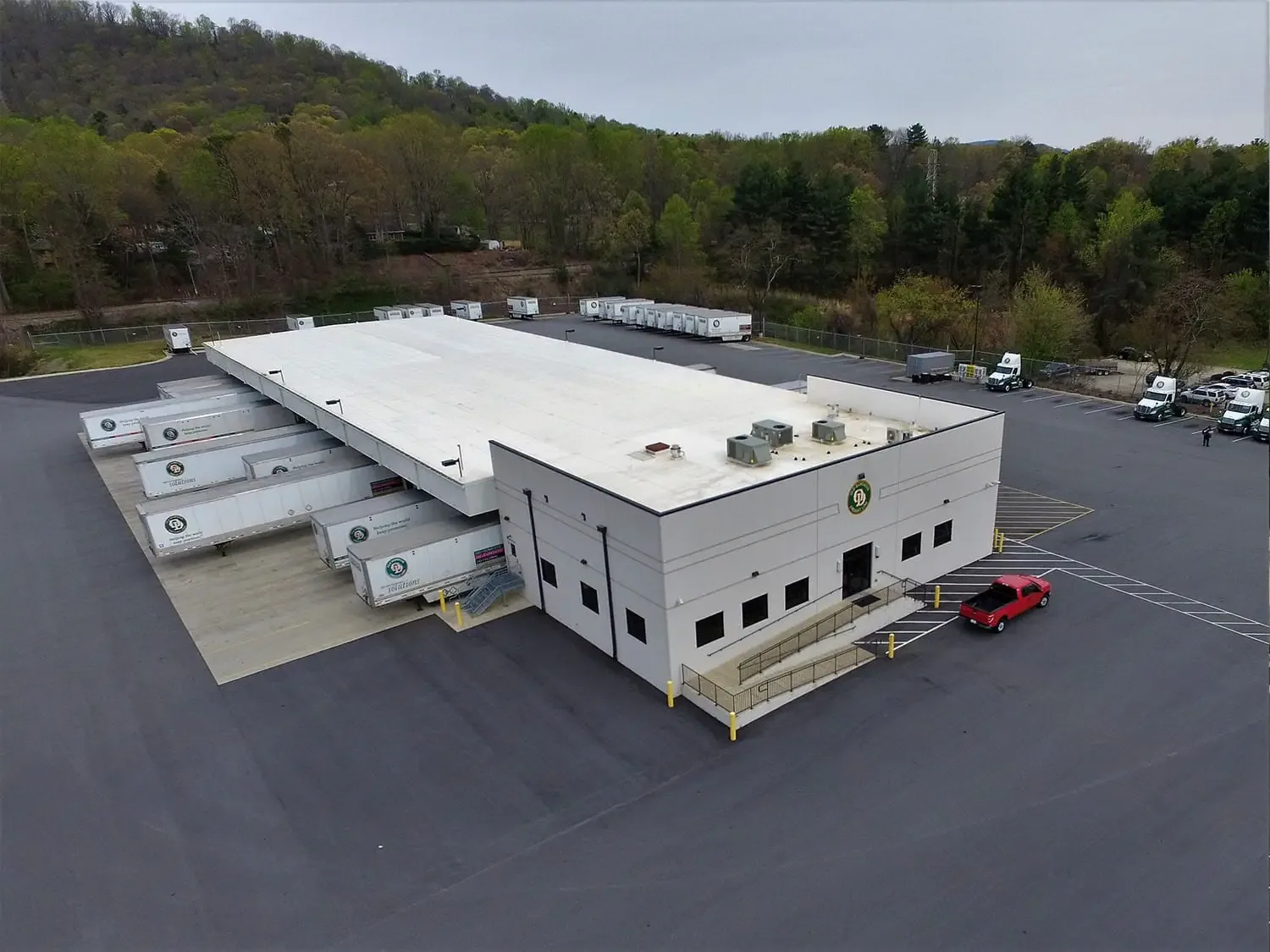
A commercial core on the valley floor, as Issaquah's plan describes Central Issaquah, can have large rooftops with many curbs. Where a roof carries a long row of units, we number the curbs on the sketch and check them in order, so a boot that was skipped at curb nine does not turn into the leak that shows up in March. For each curb we note the flashing height, the sealant condition and whether the unit above it moved since the last visit.
Roof detail: inspect penetrations and transitions
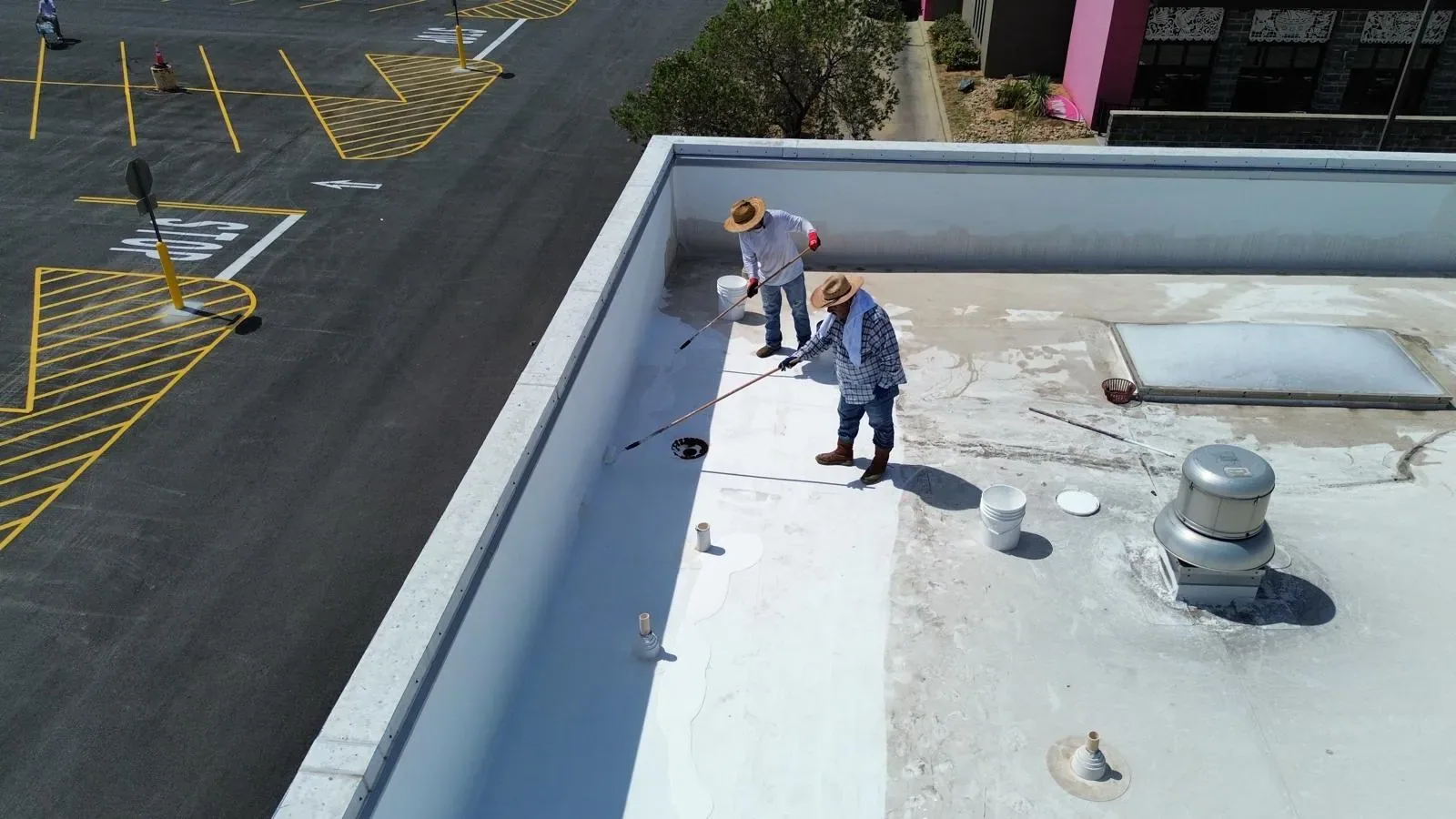
A pipe boot, equipment curb or wall transition changes the membrane plane and gives water another edge to follow. We inspect the flashing around each side, check the lap and termination, and look for a sealant joint that has split or pulled away. A patch may be reliable when the material beneath is dry, secure and compatible. If the substrate moves or moisture extends beyond the opening, the repair boundary needs more evidence before it grows.
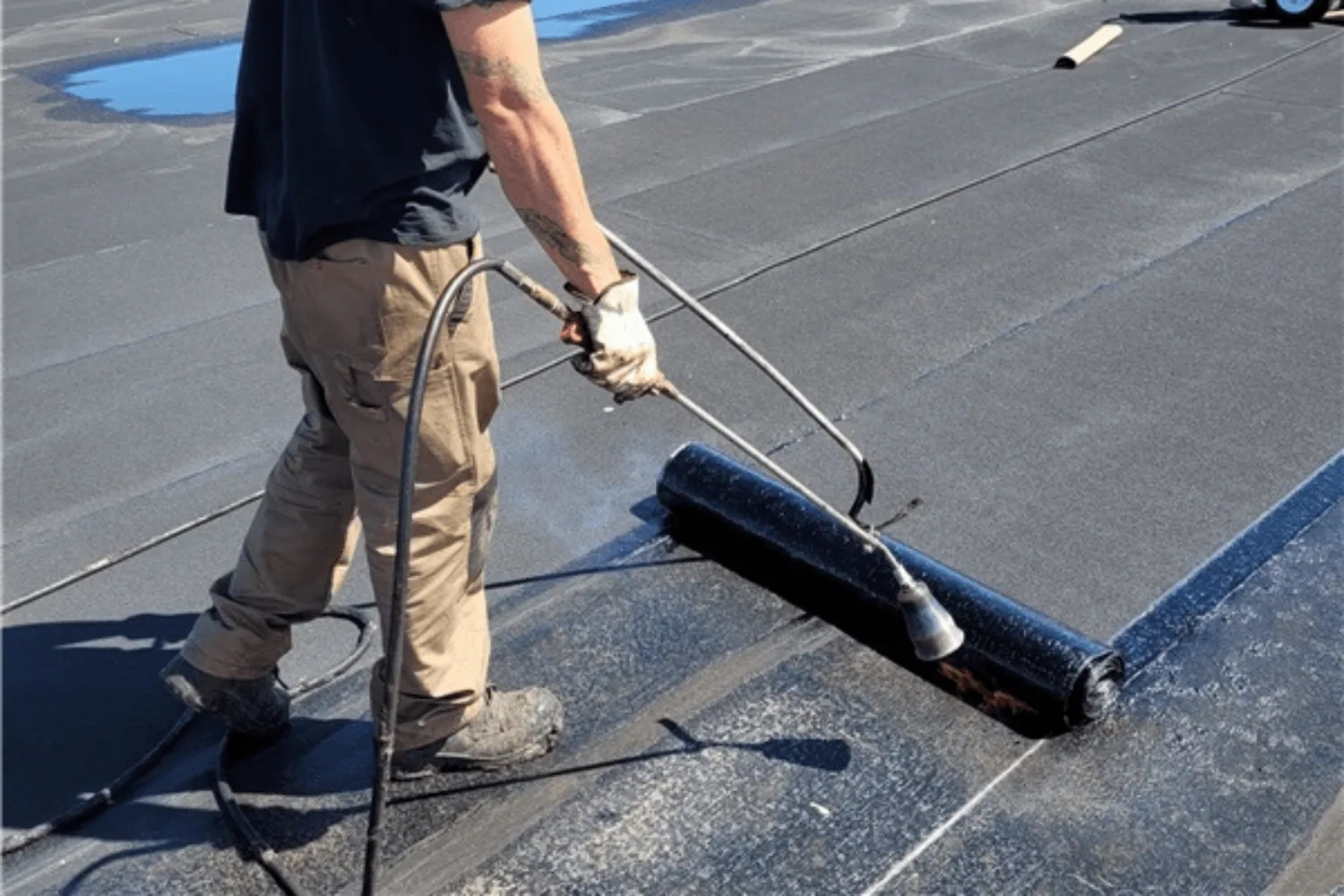
The appropriate detail depends on the assembly we verify. Thermoplastic seams, EPDM laps and metal transitions each call for different preparation. Records can guide the inspection, but a visible seam and a test may be needed where the system is unclear. A modified-bitumen repair is not interchangeable with a welded membrane patch. We identify the material and describe the preparation in the estimate so the owner can see why that repair line fits this roof.
Repair scope: show what could change it
A bounded seam opening with sound material around it can support a local repair. Multiple failed transitions, loose attachment or wet insulation may call for a wider repair or replacement. We mark the observed limit, list the preparation and materials, and separate a test or allowance from confirmed work. If the owner wants a comparison, the estimate can show what a repair includes and what conditions would move the decision toward removing a larger area.
Coating and recover options depend on adhesion, drainage and the condition beneath the surface. Neither corrects a wet substrate by covering it. We can compare targeted repair with restoration after checking whether the existing roof can accept either approach. If moisture mapping could change the removal limit, a moisture survey may be considered as a separate decision step.
Coordination: fit the roof work to the site
For the roof crew, the property-specific questions are where to enter, how to protect the working route and what equipment or operations limit access. We confirm those details with the owner before setting staging and material movement. If the repair affects drainage or a roof edge changed during renovation, we note the interface that needs coordination instead of assuming another trade's scope.
Weather controls the permanent repair window. A wet deck, damp membrane or unsuitable bonding temperature may make temporary protection the first step. We explain when a lasting patch can begin and what surface condition it needs. The schedule should also state whether a test result is required before tear-off or insulation replacement. A phased occupied-property plan can keep the access window and temporary restrictions clear when the building remains in use.
Roof record: carry details into future work
Photos and notes should tie each condition to a roof location and a decision. We record a lifted lap, drain restriction, flashing gap or suspected moisture area, along with the next check that could change scope. The owner can compare that record with warranty paperwork, past service notes and construction documents. If a small-site redevelopment changes a curb or roof edge, the record helps show where the original system ends and a new interface begins.
An owner with another building in Federal Way Downtown or Downtown Covington gets a separate walk for each. Share the Issaquah address, leak location, roof history and access window. We can inspect the actual assembly, define the repair line and explain what additional evidence would change it.
Commercial Roofing Questions
Does Central Issaquah's mixed-use plan identify a property's roof system?
No. It describes a district direction and planning framework. We verify the building's membrane, flashings and records before recommending a compatible repair or replacement.
Why might a leak appear away from the curb where water enters?
Water can move beneath the membrane or along the deck before reaching an interior joint. We compare the stain with nearby seams, penetrations and low points, then note whether a test could narrow the route.
What does infill change about a roof inspection?
An altered curb, edge or drainage route can create a new interface with the existing roof. We review available records and inspect those transitions so the estimate distinguishes old material from recent work.
When does a test make sense before pricing repair?
Testing is useful when concealed moisture or an unknown assembly could change how much material must be removed. We identify what the test should answer and keep it separate from confirmed work.
Can repair work be scheduled while the property stays in use?
The access path, staging and area below determine the sequence. We confirm those limits with the owner, then state the work window and any temporary restriction before materials are brought onto the roof.