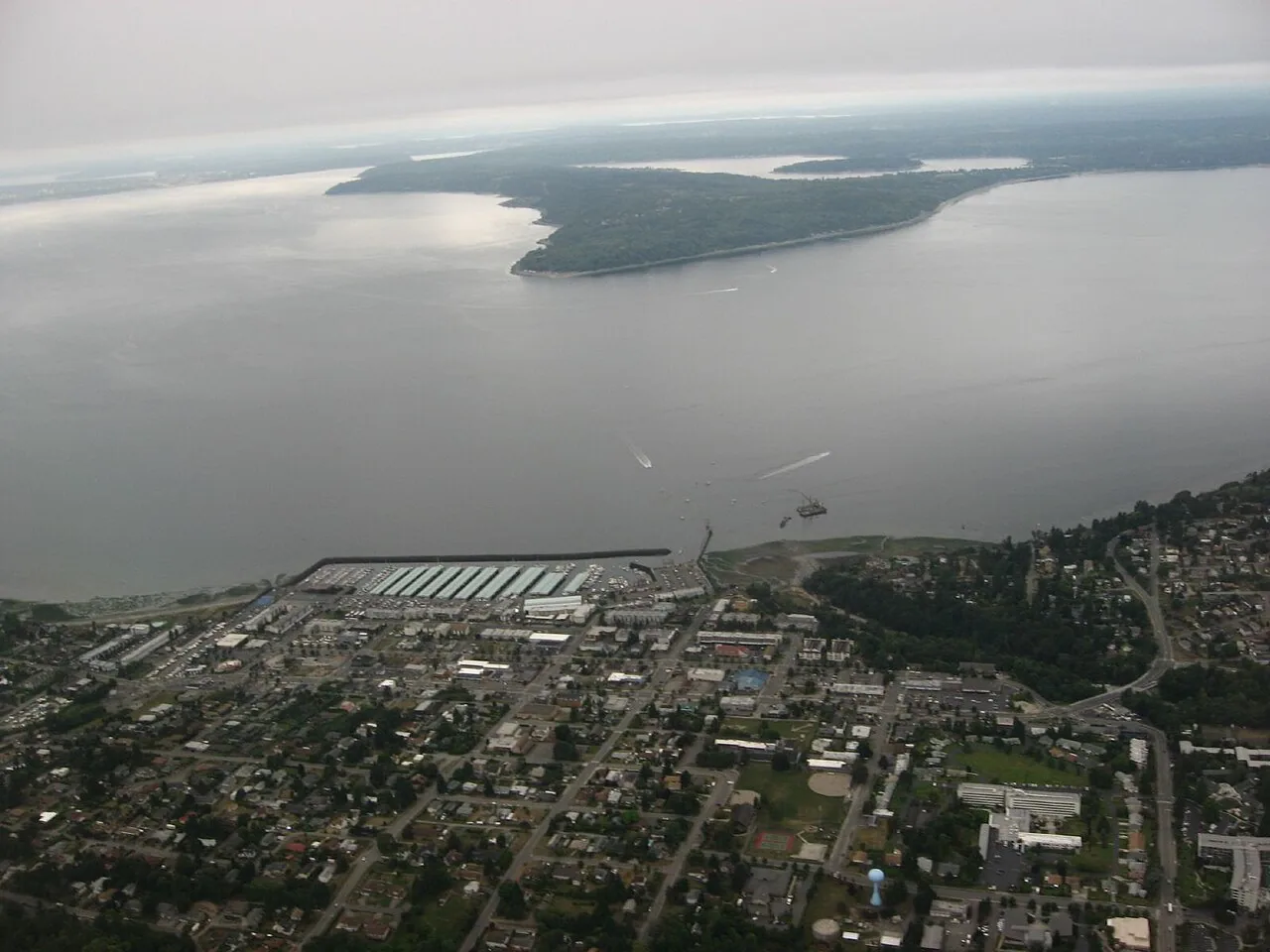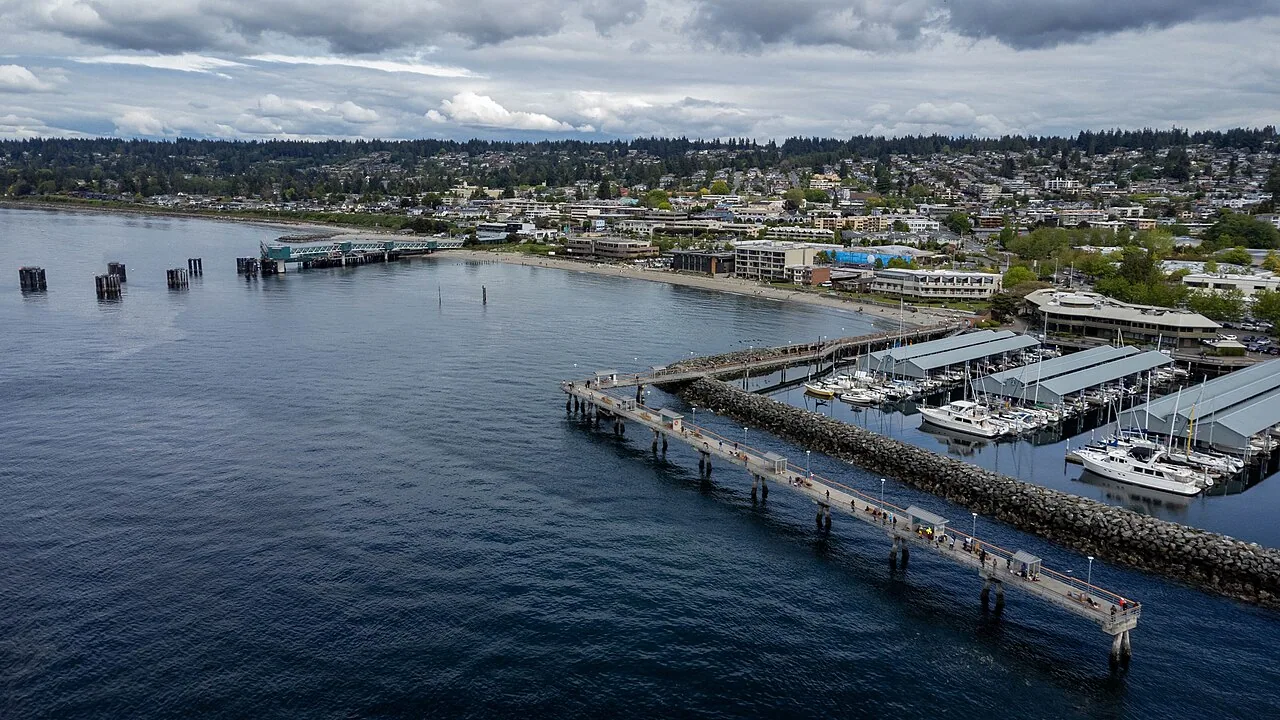
A gutter splice that separates at a corner can spill water behind the fascia and leave a stain well away from the roof edge. Along Pacific Highway South in Des Moines, WA, we start by following that path back to the roof and checking the outlet, metal and membrane connection. Des Moines names Pacific Highway among its commercial areas and notes regional links to I-5, SR 509 and transit. We confirm the building entrance, roof route and work restrictions with its contact.

Des Moines also cites nearby ports, freight corridors and regional commercial or industrial areas as business-access advantages. That broad setting can mean active deliveries or changing schedules, but only the property can establish its hours and roof conditions. A commercial roof inspection records the installed system, water route and details that need repair before a larger scope is considered.
Access window: keep deliveries and roof work clear
Before carrying tools to the roof, we confirm where the crew can park, which door or hatch is approved and what areas need to remain open. If a delivery lane or customer entrance runs near the work zone, staging and debris handling need a defined path. We check the address, contact and site rules, then schedule the inspection around the owner's operating window.
The roof itself sets the work sequence. A phased reroofing plan can keep defined portions in service when the assembly allows safe daily tie-ins. For another Des Moines area, the downtown and waterfront district has a separate property context; each roof needs its own access notes and condition record.
Drainage: follow the route to ground
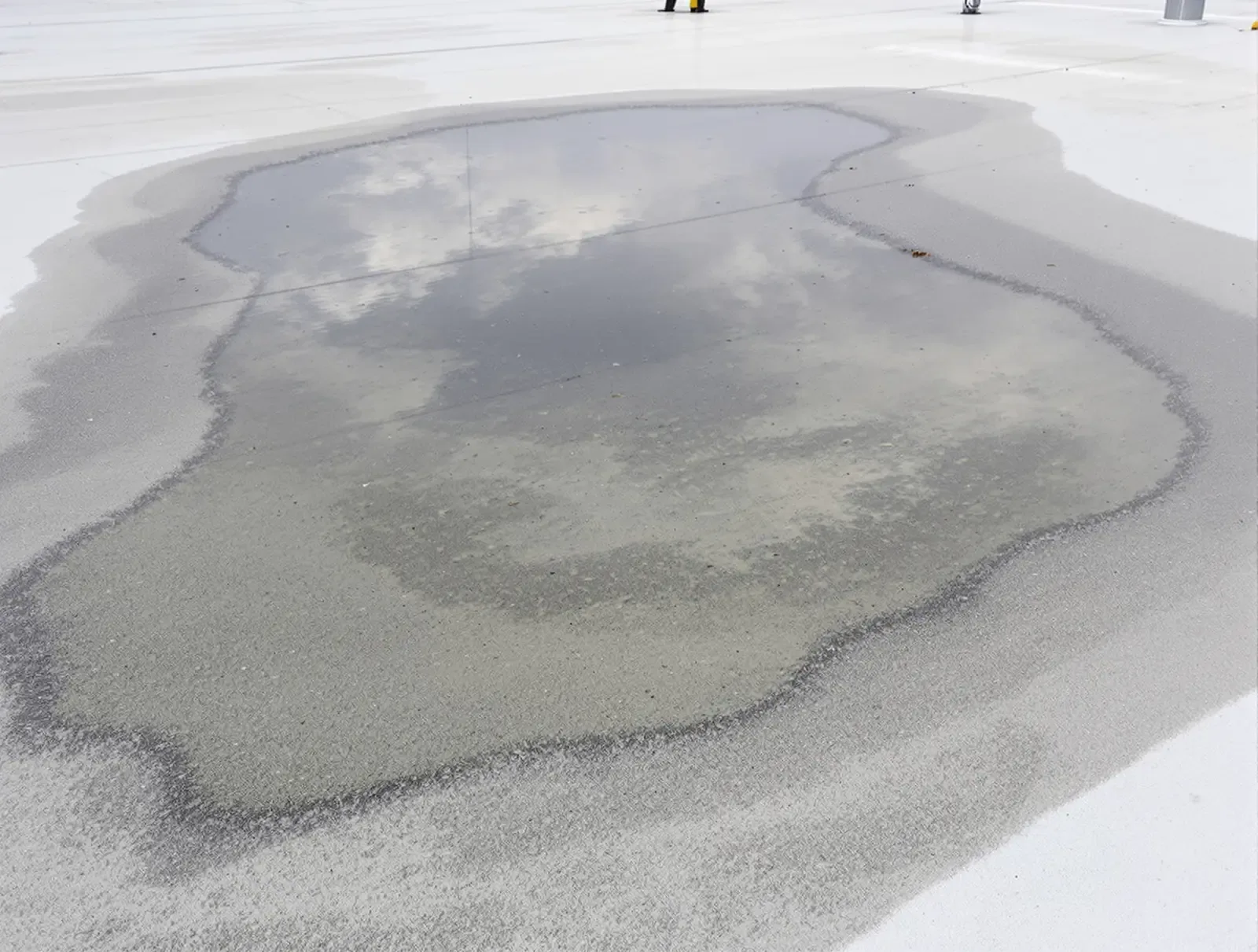
Runoff can reach a scupper, internal drain or perimeter gutter, and each connection can fail differently. We check the slope, drain bowl, strainer, overflow and discharge point, then look for staining that could show where water leaves its intended route. A blocked outlet may call for cleaning or repair; a low deck can keep water in place after the drain is clear. We record the condition before deciding whether testing below the membrane would change the repair.
Sea-Tac normals show a pronounced late-fall and early-winter precipitation pattern compared with midsummer, which supports a practical seasonal check of outlets and edge discharge before wetter months. Drain and scupper work can address a confirmed restriction. If a low area remains, ponding-water repair starts with whether the cause is the outlet, slope, deck or insulation.
Edge detail: keep water outside the wall
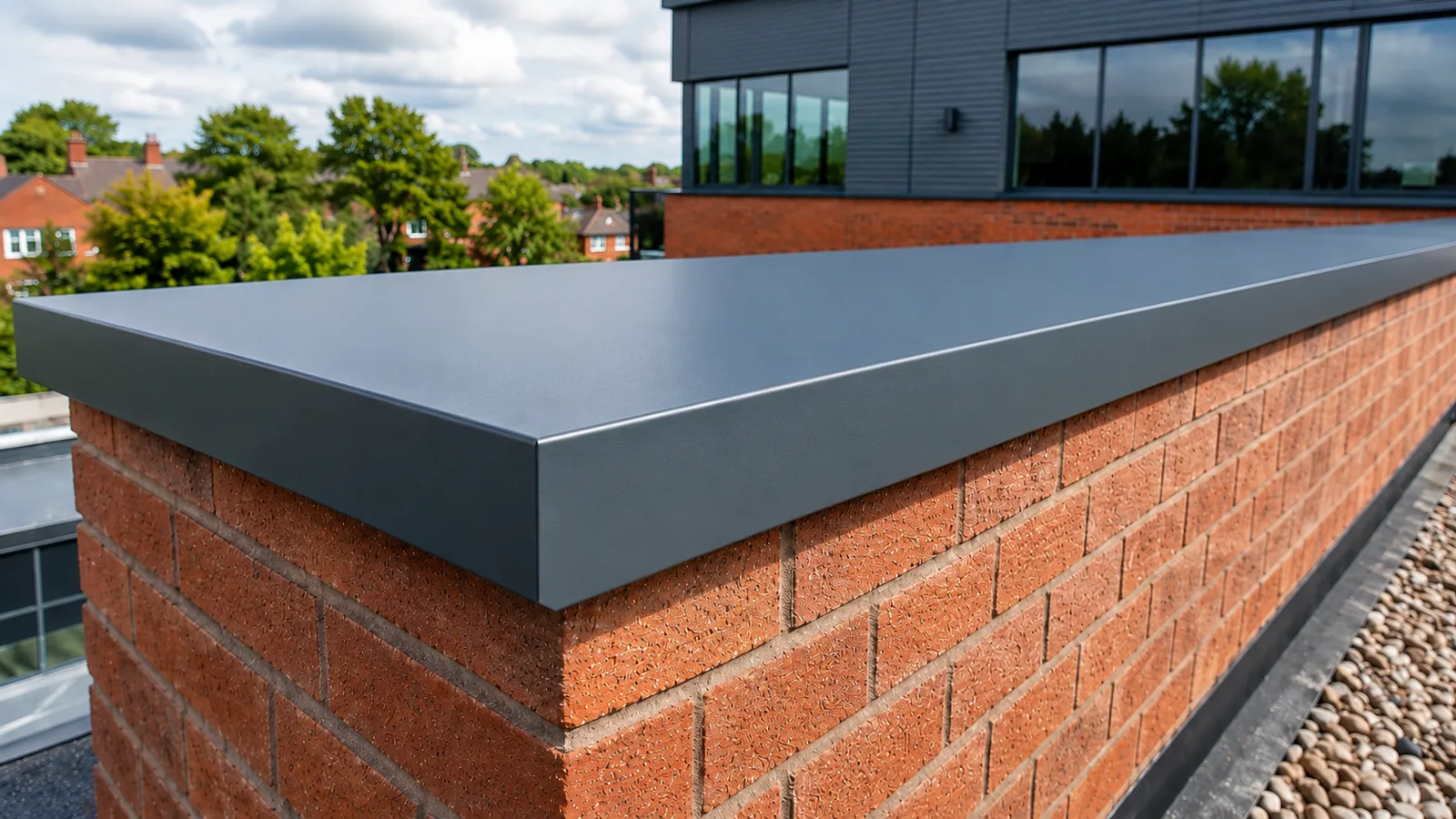
At the perimeter, membrane, flashing and metal have to turn together without leaving a gap for runoff. We inspect coping joints, gutters, fascia, fasteners and the termination bar, then check for movement or corrosion that could open the connection. A bead of sealant over a loose edge does not correct the attachment beneath it. The repair should state whether metal is being reset, replaced or tied into new membrane, and where sound material begins.
Where a gutter or downspout connects to the roof edge, we trace discharge far enough to see whether it is carrying water away from the wall. A coping and gutter review can separate drainage from the membrane repair. If the field material turns up at a parapet or curb, flashing work must match the installed system. We photograph the joint before and after work so the property record shows which part changed.
Pacific Highway frontage means signs, canopies and building-mounted lights, and each one is a bracket or penetration through the edge or the wall near it. We check those attachments the way we check a vent: the sealant, the fasteners and the flashing above it, because a loose sign bracket can open a path behind the coping that no roof repair will close. Where a sign contractor owns the bracket, the record names them so the fix is coordinated.
Repair options: match the scope to the failure
A loose splice, open flashing turn or puncture may be handled as a focused repair when the surrounding material is stable and dry. We prepare the surface, restore the detail and check the next connection along the water path. If several openings recur or insulation is wet, a patch alone may leave the cause in place. An approved moisture test or opening can identify how far the condition extends before the owner compares repair, coating, recover and tear-off choices.
A coating needs an eligible substrate and preparation; it cannot correct a moving edge, saturated insulation or weak deck. Recover work depends on the number and condition of existing layers, attachment and applicable project requirements. A recover assessment sets those limits, while replacement work can address conditions below the old system. We describe removal, insulation, membrane, edge metal and temporary protection separately so the owner can compare the work and its timing.
Roof record: make the repair easy to locate
The work record should identify the address, roof area, failed connection, materials used and any condition left outside scope. We photograph the gutter splice, flashing or drain and note whether the water path was confirmed or still needs testing. If the roof was wet, we record what was accessible and avoid treating an untested area as dry. That gives the next person a clear boundary for follow-up instead of a general note that the roof leaked.
Gutter splices and downspout elbows along an edge fail one joint at a time, so we check every splice on a run and not just the one that is dripping. A tidy fix at the drip leaves the next splice to fail in the next storm.
A roof condition report keeps the inspection findings and repair limits tied to the actual parcel. For a separate address in Renton's Valley Subarea, we prepare a separate record rather than carrying over assumptions about access, use or drainage.
Commercial Roofing Questions
Can crews use Pacific Highway frontage for roof access?
Not automatically. Each property has its own entrance, parking, roof access and delivery rules, and we confirm those details with the site contact before scheduling. The work plan lists the approved route, staging area and any path that needs to remain clear.
What should I check when a gutter leaks at a corner?
We inspect the splice, end cap, fascia attachment and discharge route, then look above the joint for water entering at the membrane or edge flashing. A failed gutter seam may need a local repair, while water behind the fascia can point to a roof transition. The scope follows the observed connection rather than sealing the visible drip alone.
Can roof work happen while customers or tenants are present?
We coordinate entry, material movement, protected paths and the work zone with the property contact. A phased approach can keep other parts of a building available when the roof can be closed securely at each stopping point. Deliveries and occupied areas are included in the sequence before work begins.
When does a drain problem require more than cleaning?
If the outlet is open but water continues to collect, the slope, deck or insulation may need review. We follow the low route and inspect the surrounding membrane and overflow detail. A test opening is useful only if its findings would change the repair or replacement decision, and we ask the owner to approve it first.
What information helps compare a repair with replacement?
The proposal should show the failed detail, surrounding material, moisture findings, prior repairs and access limits. It should separate confirmed work from a concealed condition that could change the scope. With those points documented, the owner can compare a limited repair, an eligible recover or replacement that exposes the deck.